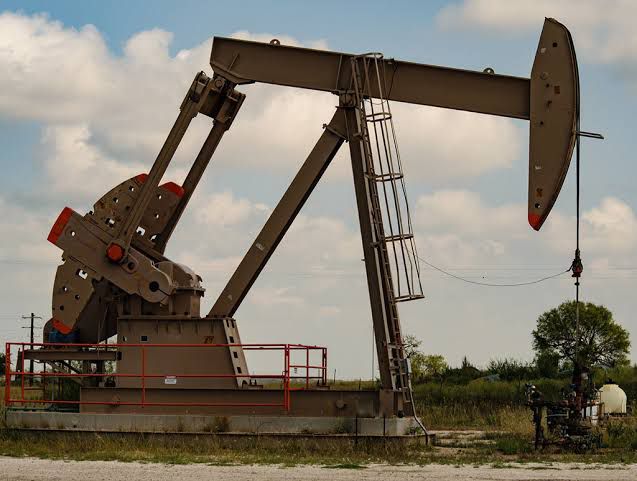


· Monthly Decline: Nigeria’s total oil production (crude and condensates) fell 8.6% month-on-month to 1.48 mbpd in February 2026.
· Crude Shortfall: Actual crude oil dipped to 1.31 mbpd, placing Nigeria at 88% compliance with its 1.5 mbpd OPEC quota.
· Fiscal Gap: Output remains significantly below the 1.84 mbpd 2026 budget benchmark, despite high global Brent prices.
LAGOS — Nigeria’s daily crude oil production fell to 1.48 million barrels per day (mbpd) in February 2026, according to the latest data released by the Nigerian Upstream Petroleum Regulatory Commission (NUPRC).
The dip represents an 8.6% decline from the 1.62 mbpd recorded in January, complicating the federal government’s efforts to meet the 1.78 mbpd production benchmark set in the 2026 “Budget of Resilience.”
Production Breakdown
The total output for the month includes both crude oil and condensates. While crude oil production alone tumbled from 1.43 mbpd in January to 1.32 mbpd in February, the volume of condensates saw a marginal increase, partially cushioning the overall deficit.
Industry analysts attribute the contraction to technical disruptions at key offshore terminals and persistent infrastructure challenges in the Niger Delta. The decline marks a setback for the “Project 1.5 Million Barrels” initiative, which had seen production steadily climbing throughout the final quarter of 2025.
Budgetary and OPEC Implications
The production shortfall creates a widening gap between actual output and the 1.5 mbpd quota allocated to Nigeria by the Organisation of Petroleum Exporting Countries (OPEC).
Despite Brent crude prices hovering above $85 per barrel due to ongoing geopolitical tensions in the Middle East, Nigeria’s inability to meet its volume targets limits the Federation’s capacity to build foreign exchange reserves and fund critical infrastructure projects.
Broader Economic Context
The NUPRC report comes as the National Bureau of Statistics (NBS) prepares to release its Q1 2026 GDP report. The oil sector, which remains the primary source of foreign exchange for the country, is expected to face renewed scrutiny if production does not rebound in March.
The Federal Government has previously stated its ambition to reach 2.5 mbpd by the end of the year, a target that now requires a significant surge in both security and technical efficiency across the nation’s oil assets.