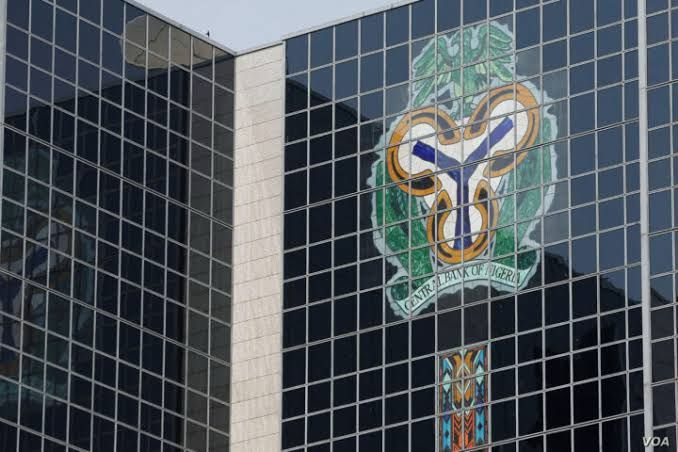

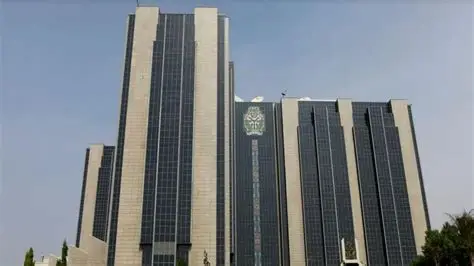
LAGOS — The Central Bank of Nigeria (CBN) has officially targeted a milestone of $1 billion in monthly diaspora remittances by the end of 2026, a move aimed at establishing a more stable and “organic” source of foreign exchange for Africa’s largest economy.
The ambitious goal, disclosed by CBN Governor Olayemi Cardoso during recent monetary policy briefings, comes as part of a multi-pronged reform agenda to reduce the nation’s reliance on volatile oil revenues and stabilize the naira. Current data suggests the push is gaining traction; as of March 2026, monthly inflows through official channels have surged to an average of $600 million, tripling the figures recorded at the start of 2024.
Closing the gap
To bridge the remaining $400 million monthly deficit to its goal, the apex bank this week tightened oversight on International Money Transfer Operators (IMTOs). A new directive effective March 24, 2026, mandates all global operators—including Western Union and MoneyGram—to route transactions through designated naira settlement accounts in local deposit money banks.

This policy is designed to improve transparency and ensure that the “last mile” of remittance delivery happens within the formal banking system. Market analysts credit these tightening measures for a marginal appreciation in the naira, which closed at N1,383.88/$ on Thursday, despite broader external pressures from global energy shocks.
Beyond Oil: building “organic” reserves
Governor Cardoso emphasized that the growth in Nigeria’s external reserves—which hit a peak of $49 billion in early February—must be driven by sustainable inflows rather than external borrowing.
“Our FX reserves are being rebuilt organically through improved market functioning and robust capital inflows,” Cardoso stated. He noted that the successful rollout of the Non-Resident BVN (NRBVN) has been a critical catalyst, allowing Nigerians abroad to participate in the local financial system without the previous bottlenecks of physical biometric registration.
Economic tailwinds and risks
The drive for $1 billion in monthly remittances coincides with a cooling inflationary environment. Headline inflation dropped to 15.06% in February 2026, down from nearly 35% in late 2024, providing a more stable backdrop for diaspora investment.
However, structural challenges remain. While remittances in 2025 reached a five-year high of $23 billion, recent balance of payments data showed a slight narrowing of the current account surplus. Furthermore, heightened geopolitical tensions in the tensions in the Middle East have spurred capital flight, causing reserves to dip slightly below the $50 billion mark in the third week of March.
Looking ahead
The CBN’s “Roadmap for 2026–2030” views these remittances as a “social guarantor” for the economy. By shifting the bulk of diaspora flows from informal “black market” channels to the official window, the bank hopes to maintain a parallel market premium of under 2% and provide consistent liquidity for the manufacturing and real estate sectors.