
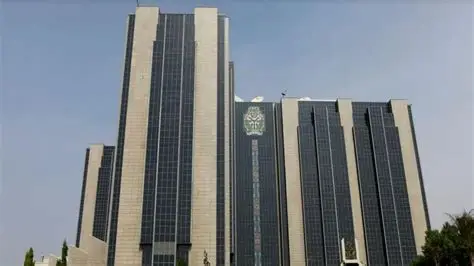
The Central Bank of Nigeria (CBN) officially concluded its 24-month banking sector recapitalization program on March 31, 2026, successfully raising ₦4.65 trillion approximately $3.36 billion in fresh capital. The exercise, aimed at bolstering the resilience of the nation’s financial system, saw 33 banks successfully meet the new stringent capital thresholds set by the apex bank.
The ₦4.65 trillion injection marks a significant milestone in Governor Olayemi Cardoso’s agenda to prepare the banking sector for a projected $1 trillion economy. At current exchange rates, this represents an approximate $3.36 billion boost to the industry’s capital base.
The total capital raised includes ₦3.37 trillion from domestic investors and approximately ₦1.28 trillion from foreign participation. This split signals a strong return of investor confidence in Nigeria’s reformed financial landscape after two years of strategic fundraising.
Key Figures of the Recapitalization
| Funding Source | Percent % | Amount |
| Local Investors | 72.55% | ₦3.37 trillion ($2.43b) |
| Foreign Markets | 27.45% | ₦1.28 trillion ($923m) |
| Total Capital Raised | ₦4.65 trillion ($3.36b). 33 banks successfully met the new minimum capital requirements | |
Source:CBN
Under the new framework, the CBN mandated a tiered capital structure. International banks were required to hold a minimum of ₦500 billion, while national banks were set at ₦200 billion. Regional and merchant banks saw their minimum capital raised to ₦50 billion.
While 33 banks met these targets, the window prompted a wave of rights issues, public offers, and private placements. Some smaller entities utilized the period to merge or transition into different license categories to remain compliant with the new regulatory environment. Governor Cardoso noted that the exercise has significantly improved the industry’s Capital