Zambia can overcome escalating climate threats and achieve inclusive, private-sector-led growth through strategic investments and policy reforms, according to a new World Bank Group report released Thursday.
The Zambia Country Climate and Development Report (CCDR) warns that extreme weather—specifically recurrent droughts—is no longer a future threat but a present constraint on the nation’s development, disrupting agriculture, hydropower, and household incomes for the most vulnerable rural populations.
Building a “Climate-Smart” Economy
The report argues that by prioritizing cost-effective investments, Zambia can safeguard its growing young population and stabilize its economy against climate-related shocks.
“Climate risks are no longer in the distant future for Zambia—they are already shaping development outcomes today,” said Achim Fock, World Bank Country Manager for Zambia. He emphasized that targeted reforms would not only protect citizens but also accelerate job creation and economic expansion.
The Four Pillars of Strategy
To navigate these challenges, the World Bank recommends a strategic pathway focused on four priority areas:
- Rural Transformation: Expanding smart agriculture, irrigation, and mechanization to boost productivity while protecting forests and unlocking carbon finance.
- Resilient Urban Planning: Steering city growth away from flood-prone areas and upgrading informal settlements with durable infrastructure.
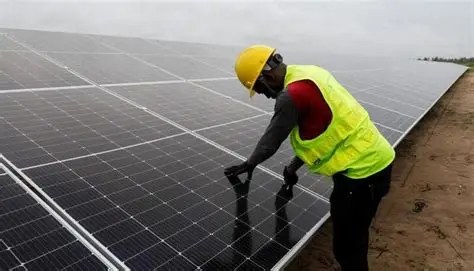
- Green Industry & Infrastructure: Diversifying energy beyond hydropower and continuing mining reforms to attract private investment and lower logistics costs.
- Human Capital Protection: Strengthening disaster risk systems and adaptive social protection while training the youth for emerging roles in the energy and construction sectors.
Unlocking Private Sector Potential
A central theme of the report is the necessity of mobilizing private sector participation. Analyst note that a predictable policy environment and stronger institutions are essential to “crowding in” the private investment needed to supplement development finance.
Dominick de Waal, Senior Economist at the World Bank, noted that Zambia’s primary challenge lies in institutional reform. Success, he suggests, depends on the country’s ability to manage natural resources and translate reforms into higher living standards that reduce household vulnerability.
The report concludes that by aligning development goals with global climate targets, Zambia can transform its climate challenges into an opportunity for modern, sustainable growth.