The Ghanaian government has rejected a proposed $109 million bilateral health agreement with the United States, citing grave concerns over the mandatory sharing of sensitive national data.
The decision, confirmed Tuesday by sources familiar with the negotiations, marks a significant defiance of the Trump administration’s “America First Global Health Strategy,” which seeks to overhaul international aid.
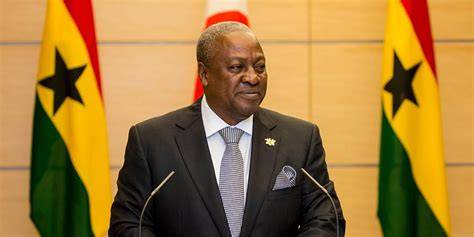
President John Dramani Mahama’s administration reportedly balked at U.S. demands for access to citizens’ personal health records. Officials argued such terms compromised national data sovereignty and exposed private information.
Negotiations for the five-year deal began last November but turned “hostile” as an April 24 deadline approached. Sources say U.S. negotiators applied intense pressure to secure the data-sharing provisions.
The rejected funds were intended to combat HIV/AIDS, malaria, and tuberculosis. This follows the recent dismantling of USAID and a shift toward requiring recipient nations to self-finance their healthcare.
Ghana is the latest African nation to resist these terms. Earlier this year, Zimbabwe rejected a similar $328 million deal, while a Kenyan court recently suspended a comparable agreement.
Several other African countries including Nigeria have signed the five-years health deal.
These agreements are a shift in U.S. foreign aid, towards a model of shared investment, national ownership, and increased self-reliance for partner countries under the “America First Global Health Strategy.”
However, Ethicists warn these “data-for-aid” swaps could be exploitative. Critics argue that without guarantees, medical innovations derived from African data might not benefit the local populations providing the information.
The U.S. State Department declined to discuss specific details but maintained its commitment to the partnership. Meanwhile, Ghanaian officials have remained silent following the collapse of the high-stakes talks.