
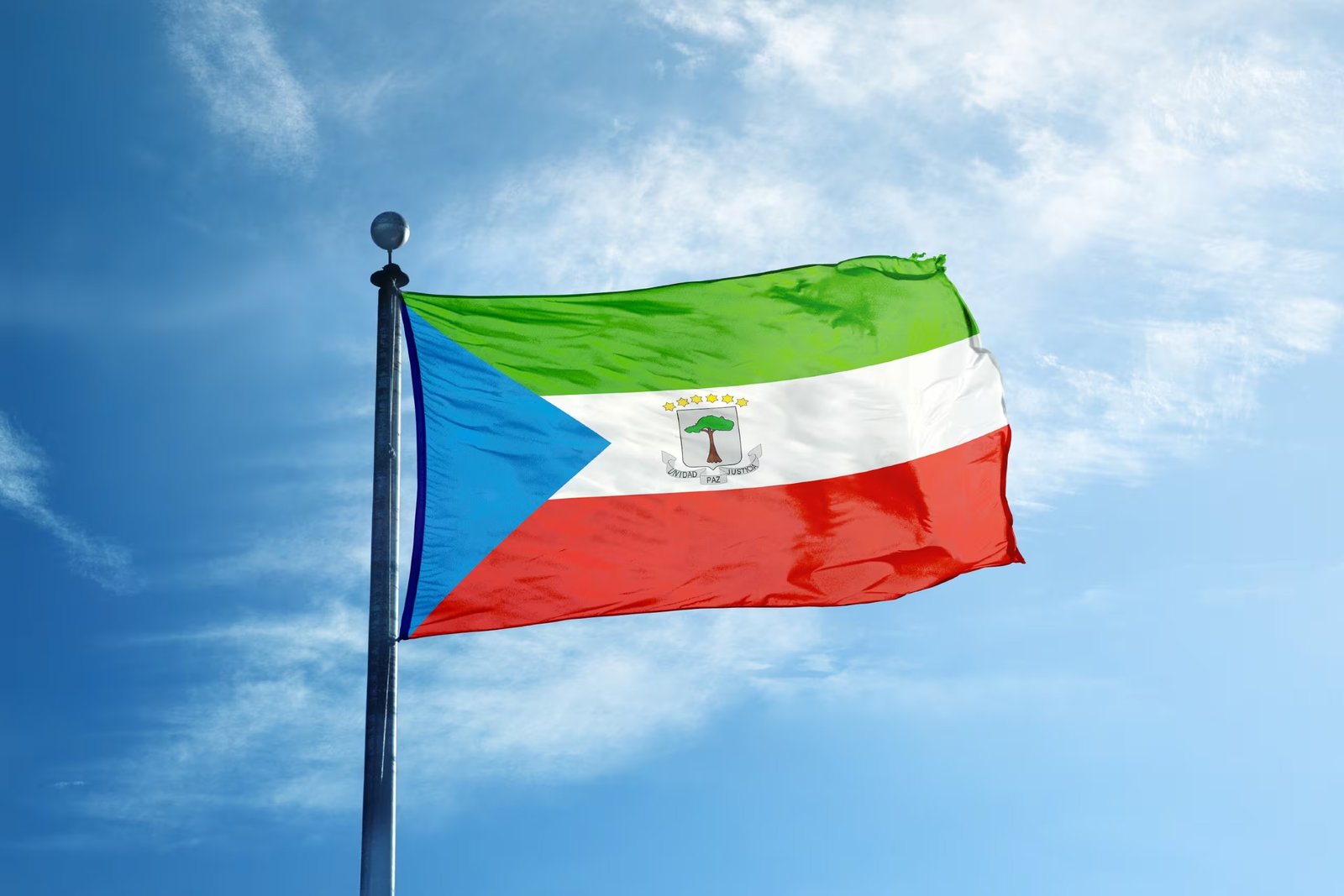
Equatorial Guinea’s Prime Minister Manuel Osa Nsue Nsua and his entire cabinet have resigned after failing to meet economic and administrative performance targets.
Vice President Teodoro Nguema Obiang Mangue announced the collective resignation on Tuesday via social media platform X, citing a massive shortfall in government execution.
An official performance assessment revealed the outgoing administration achieved barely 10 percent of its planned objectives, triggering immediate executive dissolution.
The Vice President stated that public responsibility must deliver results, declaring the achieved progress clearly insufficient relative to the country’s significant resource allocations.
The state had deployed substantial human, material, and financial assets to address citizen needs, making the low implementation rate unacceptable to leadership.
This political overhaul comes amid severe macroeconomic pressure. The International Monetary Fund projects a -2.7% GDP contraction this year, following a steep -6.4% economic decline previously.
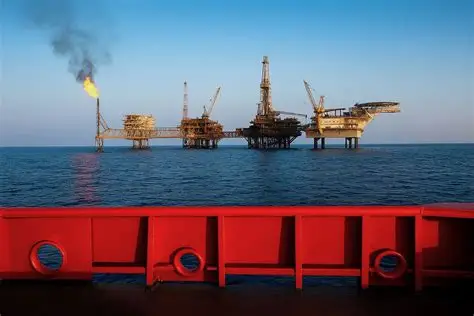
The structural crisis is driven by maturing oil fields. National crude production plummeted to roughly 44,000 barrels per day by April, squeezing vital hydrocarbon revenues.
With foreign exchange shortages ongoing and the fiscal deficit widening, the presidency is expected to appoint a dynamic cabinet to fast-track stabilization and resource mobilization.