
Uganda trade deficit improves over 70%; exports rise 94% year-on-year
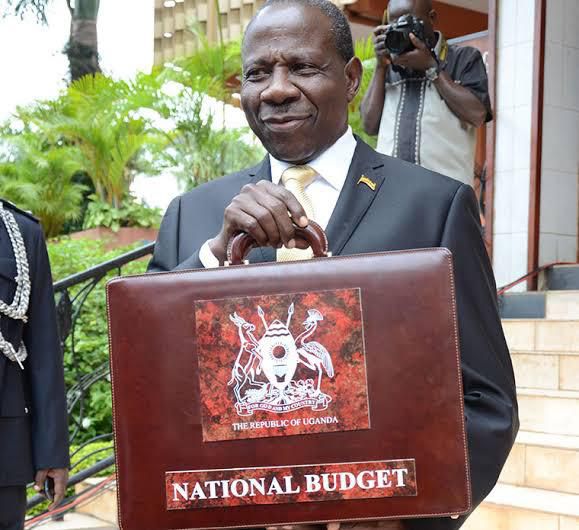
By: ThinkBusiness Africa Uganda’s economic momentum accelerated in November 2025, marked by a dramatic improvement in the national trade balance and a surge in export earnings. Uganda finance ministry’s report showed on Wednesday. According to the latest Performance of the Economy report, the country’s merchandise trade deficit narrowed by an impressive 70.4%, falling to $74.46 million in October 2025, compared to $251.56 million during the same period last year. This shift was driven by a near-doubling of merchandise exports. Earnings skyrocketed by 94.4%, reaching $1.496 billion in October 2025. This growth the finance ministry said was robust enough to overshadow a significant $549.74 million increase in imports. Key contributors to this export boom included: Strong performances from coffee, cocoa beans, and flowers. The East African country also saw Increased gold exports driving its of foreign exchange (FX) reserves. In the 12 months leading up to June 2025, Uganda’s gold earnings reached an all-time high of $4.21 billion, a significant increase from $2.98 billion recorded in the prior period; accounting for nearly 40% of Uganda’s total export revenue. Uganda FX reserves gross $5.4 billion in November, up from $3.2 billion recorded in the previous year, providing 4 months of import cover. High-frequency indicators suggest that the broader economy is in a healthy expansion phase. The Purchasing Manager’s Index (PMI) climbed to 53.8 in November, up from 53.4 in October. Any reading above 50.0 indicates an improvement in business conditions, and firms are currently reporting a steady rise in new orders and output. Similarly, the Business Tendency Index (BTI)—which measures the perceptions of senior executives—stood at 57.20. While this represents a slight dip from previous months, it remains well above the 50-mark threshold. Optimism is particularly concentrated in the manufacturing, wholesale trade, and services sectors. Ugandans saw further relief in the market as annual headline inflation declined to 3.1% in November, down from 3.4% in October. This disinflationary trend was largely driven by a sharp drop in food crop inflation, which fell from 6.1% to 4.0% due to an improved domestic food supply. The government attributes this resilient performance to private sector dynamism and favorable agricultural yields. With the Composite Index of Economic Activity (CIEA) rising to 183.50, the trajectory for the final quarter of 2025 remains positive.
Nigerian president replaces oil regulators amid Dangote corruption allegations
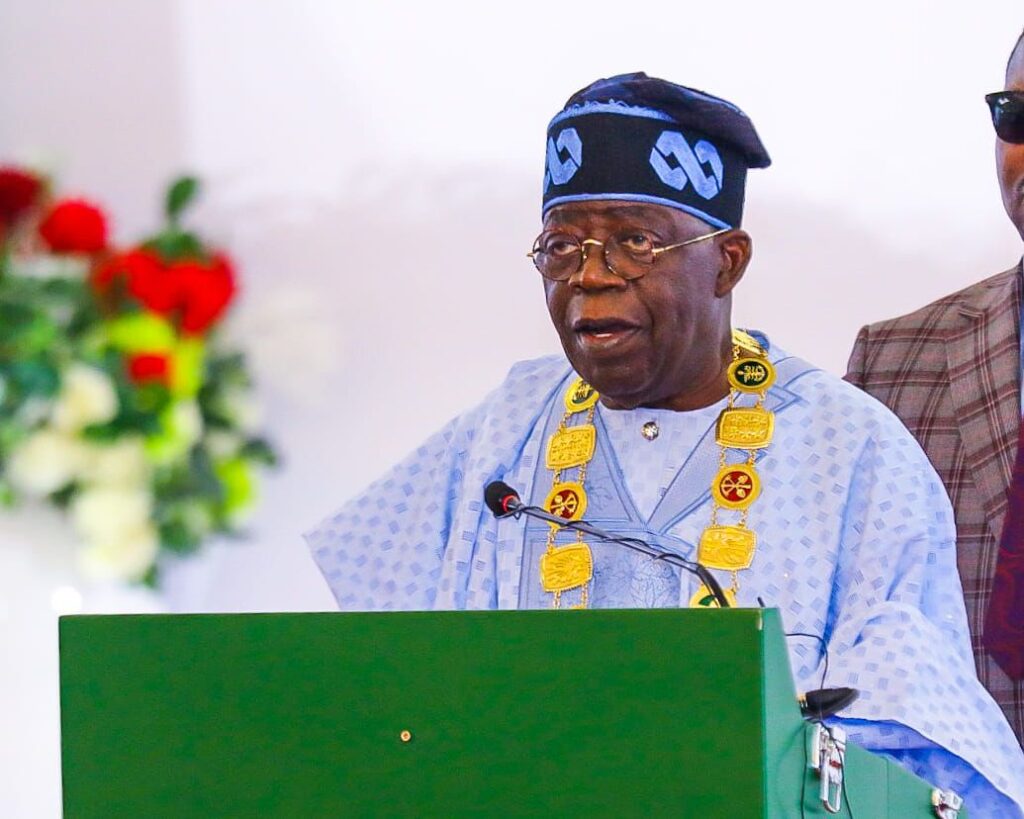
By: ThinkBusiness Africa President Bola Ahmed Tinubu has appointed new leadership for Nigeria’s primary petroleum regulatory bodies. The move follows the sudden resignations of the previous heads on Wednesday, amid a high-stakes corruption scandal involving billionaire industrialist Aliko Dangote. The Nigerian President has formally requested the Senate to approve the confirmation for two seasoned industry veterans: The administrative overhaul comes just 24 hours after Aliko Dangote, Chairman of the Dangote Group, submitted a formal petition to the Independent Corrupt Practices Commission (ICPC) against the outgoing NMDPRA chief, Farouk Ahmed. In the petition filed on Tuesday, Dangote alleged that Ahmed spent over $7 million on the elite education and upkeep of his four children in Switzerland—an amount Dangote argued far exceeds the legitimate earnings of a career public servant. The billionaire accused the regulator of undermining domestic refining by continuing to issue import licenses for “inferior” petroleum products, despite the Dangote Refinery’s capacity to meet national demand. The petition also raised concerns over a move to pay oil marketers N200 billion in “bridging claims” without verifiable data, characterizing it as a scheme to divert public funds. Dangote and Farouk feud started earlier this year, when the downstream regulatory boss said petroleum products from the 650,000 capacity Dangote refinery were substandard in quality compared to imported petroleum products. Dangote dismissed the claims by conducting live test results of his refinery finished products to Nigerian House of Representatives members who came to investigate the inferiority claims. The Presidency said both Ahmed and Komolafe resigned immediately following a closed-door meeting with the president at the Presidential Villa. suggesting a decisive move by the Tinubu administration to end a public feud that threatened to destabilize the market. Before his exit, Farouk Ahmed dismissed Dangote’s allegations as “wild and spurious,” stating he would clear his name through the formal ICPC investigation rather than engage in a “public brickbat.” He said in a statement on Wednesday. The appointment of Eyesan and Mohammed is being hailed by sector analysts as a strategic move to restore investor confidence. Eyesan, in particular, is tasked with the ambitious goal of boosting Nigeria’s crude oil production to 3 million barrels per day, while Mohammed must stabilize the downstream sector and resolve the ongoing friction between the government and local refiners.
Nigeria’s Oil exports hit N37.7 trillion in 9 months amid record trade surplus
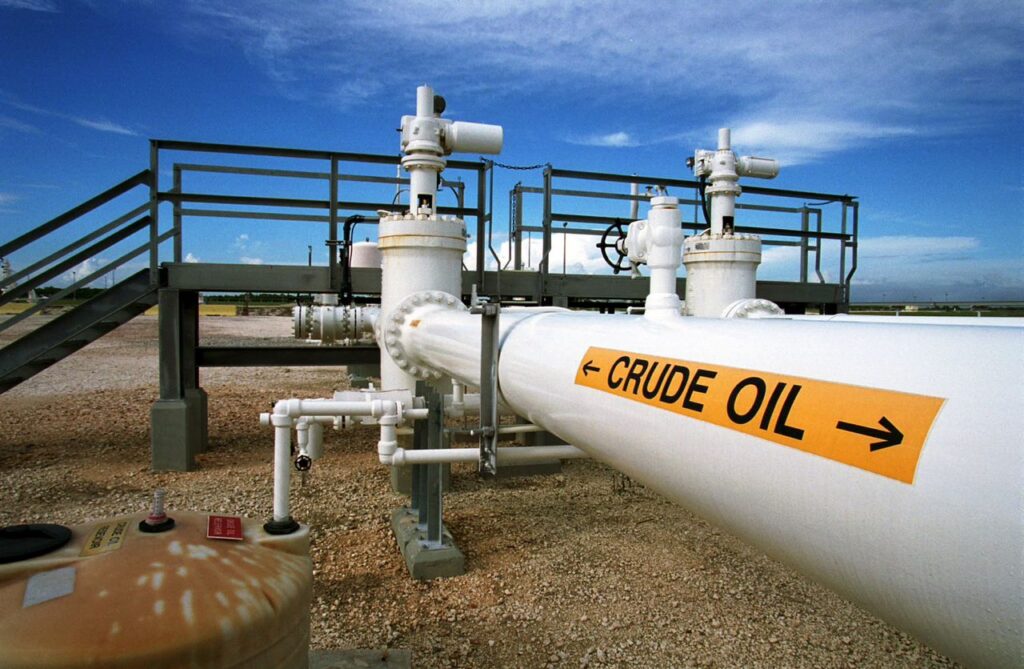
By: ThinkBusiness Africa Nigeria’s petroleum sector continues to serve as the bedrock of the national economy, with crude oil export revenue reaching a staggering N37.73 trillion in the first nine months of 2025. According to the latest released by the National Bureau of Statistics (NBS), the third quarter (Q3) alone generated N12.81 trillion in oil receipts. This represents a 7.03% increase from the N11.97 trillion recorded in Q2 2025, signaling a steady recovery in production and pricing despite global market fluctuations. Nigeria is Africa’s largest crude oil producer with an average output of 1.5 million barrels per day (mbpd), according to data from Organization of Petroleum Exporting Countries (OPEC). In 2025, the west African nation’s crude oil production averaged 1.6 – 1.4 mbpd. The report underscores the overwhelming influence of hydrocarbons on Nigeria’s trade profile. In Q3 2025, crude oil accounted for 56.14% of the nation’s total exports. When combined with other mineral products like natural gas and petroleum gases, the sector contributed roughly 87.7% of all outbound trade. Total merchandise trade for Q3 2025 rose to N38.94 trillion, an 8.71% increase compared to the same period in 2024. Nigeria maintained a robust trade surplus of N6.69 trillion in Q3, though this was a 10.36% dip from the previous quarter’s surplus of N7.46 trillion. The narrowing gap was attributed to a 5.47% rise in imports, which hit N16.12 trillion, driven by the continued need for refined petroleum products and machinery. While oil remains king, the report highlighted a significant milestone for economic diversification. Non-oil exports surged to a record N9.2 trillion in the first nine months of 2025—a 48% jump from the N6.2 trillion recorded in the same period of 2024. Economists attribute this growth to the devaluation of the Naira, which has made Nigerian exports more competitive internationally, and a massive 1,085% surge in export-laden containers reported by the Nigerian Ports Authority (NPA). Key non-oil drivers included chemical products, manufactured goods, and raw materials, which saw a 136% surge in shipments. Despite the positive revenue figures, challenges remain. Agricultural exports dropped by 37.39% compared to Q2 2025, and food imports rose to N1.1 trillion, highlighting a persistent vulnerability in national food security.
South Africa headline inflation eases in 3 months to 3.5% in November
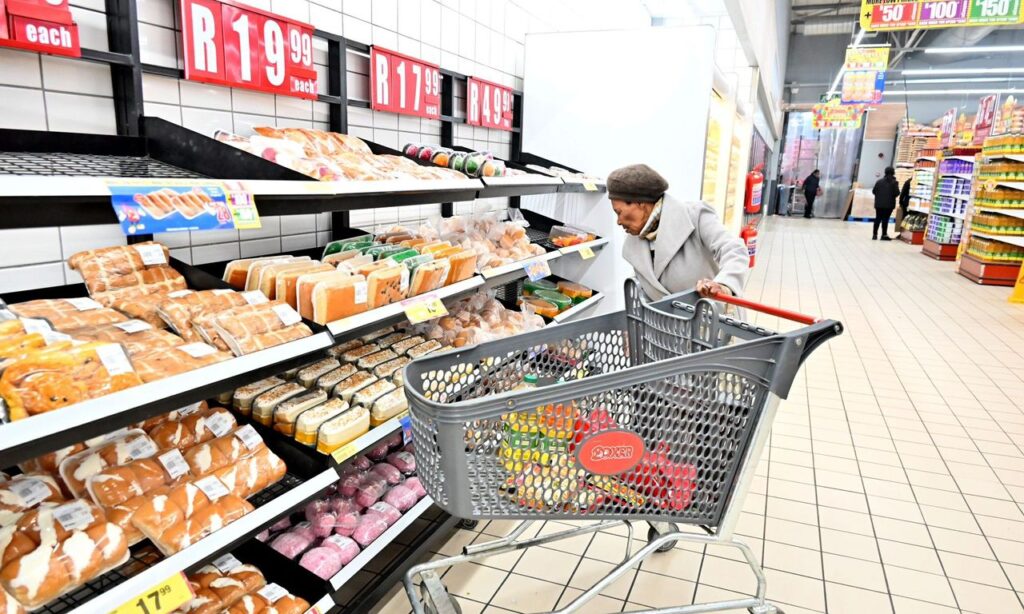
By: ThinkBusiness Africa South Africa’s annual headline consumer inflation eased for the first time in three months, falling to 3.5% in November from 3.6% in October. The data, released by Statistics South Africa (Stats SA) showed on Wednesday. The latest figure marks a significant milestone in the South African Reserve Bank’s (SARB) newly adopted strategy. Following an official shift last month, the central bank now targets a specific point of 3% (with a 1% tolerance band), moving away from its long-standing 3%–6% range. In August inflation peaked 3.3%; September, and October it accelerated to 3.4% and 3.6% respectively. The primary driver for the cooling inflation was the transport sector. Annual transport inflation slowed significantly to 0.7% in November, down from 1.5% in October. Motorists saw relief at the pumps as petrol prices (93 and 95 octane) were cut by 51 cents per litre in early November, supported by a stronger Rand and lower international Brent crude prices. Price growth for vehicles hit a 12-year low. Most notably, used vehicle prices are now 1.8% cheaper than they were at this time last year, reflecting a cooling secondary market. Despite the overall cooling, the report highlighted a sharp divergence in food prices. While general inflation eased, food and non-alcoholic beverage (NAB) inflation accelerated to 4.4% from 3.9% in October. The surge was almost entirely driven by the meat category, which saw annual inflation jump to 12.2%—the highest level since 2018. Outbreaks of foot-and-mouth disease earlier in the year, coupled with rising costs for livestock feed and the impact of dryer-than-expected conditions in key grazing regions have constrained meat production, and supply. The cooling headline figure, combined with Core Inflation remaining steady at 3.2%, provides the SARB’s Monetary Policy Committee (MPC) with significant breathing room. In its November meeting, the SARB lowered the repo rate to 6.75%. Following today’s data, market analysts are increasingly betting on a follow-up 25-basis-point cut when the MPC next meets on January 29, 2026.
Trump administration dramatically expands travel ban, targeting 16 African nations

By: ThinkBusiness Africa The United States (U.S) as part of its “border first” policy on Tuesday announced a major expansion of U.S. travel restrictions, adding more countries to its existing ban. The move, set to take effect on January 1, 2026, primarily impacts the African continent, with 16 African countries now facing either total entry bans or severe visa limitations. The announcement doubles the number of jurisdictions subject to the administration’s original June 2025 proclamation, bringing the total number of restricted countries to 39. Under the new order, five African countries have been added to the “full entry ban” category. Citizens of these nations are prohibited from obtaining almost any type of immigrant or non-immigrant visa: Burkina Faso, Mali, Niger, South Sudan, Sierra Leone (upgraded from partial to full restrictions). Nigeria, Africa’s most populous nation, was placed on a list of 15 countries facing “partial restrictions.” While not a total ban, the policy effectively suspends the issuance of immigrant visas and the most common non-immigrant visas, including: B-1/B-2: Business and tourism visitors; F and M: International students; J: Exchange visitors and researchers. Other African nations added to this partial list include Angola, Benin, Gabon, The Gambia, Ivory Coast, Malawi, Mauritania, Senegal, Tanzania, Zambia, and Zimbabwe. The White House justified the expansion by citing a “heightened threat environment.” Officials pointed specifically to the November shooting of National Guard members in Washington, D.C., by an Afghan national as a catalyst for tighter vetting. “President Trump is keeping his promise to restore travel restrictions on dangerous countries and to secure our borders.” Whithouse said in the proclamation statement. Regarding Nigeria, the proclamation noted the active presence of Boko Haram and ISIS-West Africa, which the administration claims creates “substantial screening and vetting difficulties.” The order also cited a high student visa overstay rate of 11.9% for Nigerian nationals. “It is the policy of the United States to protect its citizens from foreign nationals who exploit immigration laws for malevolent purposes,” the proclamation stated. Earlier in November, president Donald Trump called Nigeria a “disgraceful country” accusing the government of being complacent in systematically killing innocent Christians. He further threatened to invade Nigeria if the killings continued. The timing of the ban has raised immediate concerns regarding the 2026 FIFA World Cup, which the U.S. is co-hosting. Several affected nations, including Senegal and Ivory Coast, are to participate in the World Cup competition. To mitigate fallout, the U.S has included specific exemptions for individuals traveling specifically for the World Cup or other major sporting events from the latest visa ban.
$677B: Elon Musk’s net-worth now exceeds the combined economy of East Africa

By: Chidozie Nwali In a stark illustration of extreme global wealth concentration, technology mogul Elon Musk has crossed a historic financial milestone, with his personal net-worth now surpassing the entire combined $550 billion Gross Domestic Product (GDP) of the major nations comprising the East Africa region. Musk, the CEO of Tesla, SpaceX, and X (formerly Twitter), is estimated by Forbes and Bloomberg to hold a net worth of approximately $677 billion as of December 2025. This staggering figure is driven primarily by the soaring private valuation of his aerospace company, SpaceX, and his substantial stake in Tesla. Earlier this month, Space X, the space rocket company, launched a tender offer that valued the firm at $800 billion. A few months back in August Space X was worth $400 billion. Musk owns an estimated 42 percent stake in SpaceX. The jump in valuation added about $168 billion to his net worth. Forbes now estimates that Musk’s stake in SpaceX alone is worth around $336 billion, making it his most valuable asset. In September 2021, Musk became the third person ever worth $200 billion. He went on to reach $300 billion net worth in November 2021, $400 billion in December 2024 and $500 billion in October. The recent jump in Musk’s net worth made him the first person in history to decisively cross the $600 billion mark, and becoming the world richest man. The East African economy, generally defined by the members of the East African Community (EAC) including Kenya, Ethiopia, Tanzania, Uganda, and Rwanda, is one of the fastest-growing regions in the world, with real Gross Domestic Product (GDP) growth rates consistently topping global averages. East Africa is projected to grow by 5.9% in 2025-2026. However, the region’s collective output of around $550 billion reflects a diversified, but lower-scale, economy dependent on agriculture, services, and industrial growth across multiple countries. The economic leaders of the region—Kenya ($136 billion GDP) and Ethiopia ($109 billion GDP)—demonstrate stable, multi-faceted growth, yet their entire annual productivity falls significantly short of the wealth amassed by a single individual through equity stakes in disruptive global technology companies. Source: International Monetary Fund (IMF) This comparison is not purely economic; it is a socio-political illustration of modern global inequality. A single individual’s fortune, tied to ownership in a handful of high-growth, high-tech enterprises, can eclipse the entire annual production of over 150 million people living in a multi-nation region. GDP measures the final value of goods and services produced within a country’s borders in a year. Musk’s net worth is a calculation of his ownership in assets (mostly stock) which can fluctuate wildly but are valued based on future projections, not current output. While the East African region focuses on developing infrastructure, fighting poverty, and accelerating industrialization, Musk’s wealth trajectory highlights the unprecedented scale and speed at which value is being created and concentrated at the apex of global capitalism.
Morocco central bank holds key rate at 2.25%, citing stable inflation
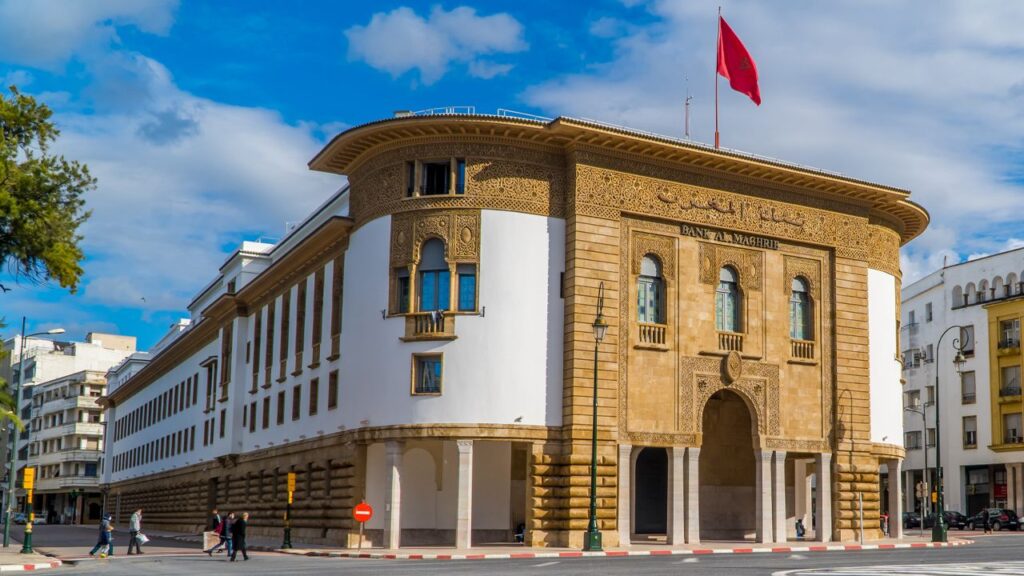
By: ThinkBusiness Africa Morocco’s central bank, Bank Al-Maghrib (BAM), announced on Tuesday that it has kept its benchmark interest rate unchanged at 2.25% for the third consecutive quarterly meeting, maintaining its accommodative stance amid contained domestic inflation and robust economic growth forecasts. The decision, made at the final Monetary Policy Board meeting of the year, signals the bank’s confidence in the current monetary conditions, which it views as appropriate for supporting economic activity while ensuring price stability. A primary factor in the Board’s decision was the evolution of the inflation outlook. Inflation has remained low, averaging 0.8% over the first ten months of 2025, and BAM projects that overall inflation will remain at 0.8% for the full year 2025. While inflation is currently low, BAM projects a gradual acceleration in the following years, rising to an estimated 1.3% in 2026 and 1.9% in 2027. This rise is expected to be managed and remains within the bank’s comfort zone. BAM said that the previous rate cut of 25 basis points in March 2025, had only a “partial transmission” to commercial lending rates, suggesting that there is room for the full impact of earlier easing to filter through the economy before any further policy action is needed. The North African nation’s bank lending to the non-financial sector is expected to accelerate, rising 4.1% in 2025 and 5% in both 2026 and 2027. In a significant positive sign, the central bank revised its economic growth forecasts upward, Specifically, the central bank projected that Real GDP Growth would accelerate significantly to 5.0% in 2025. This strong performance is expected to be led by the Non-Agricultural Growth sector, which is also forecasted to expand by 5.0% in the same year. Looking further ahead, the medium-term average for economic growth, covering the years 2026 and 2027, is projected to remain robust at 4.5%. The bank said the current account deficit will shrink to 1.8% of GDP this year and remain below 2% of GDP in 2026 and 2027, thanks to a drop in energy imports and a surge in exports of phosphates, fertilizers and cars, in addition to increased tourism revenue and remittances by Moroccans abroad. Morocco’s foreign exchange reserves are expected to grow to $49 billion by 2027, providing 5.5 months of import cover. The current monetary policy is expected to hold through the next quarter, with attention now turning to the government’s continued structural reforms and public investment efforts to sustain the non-agricultural growth momentum.
Nigeria’s fixed income market closes year strong, government raises N596.5 billion in December bond sales
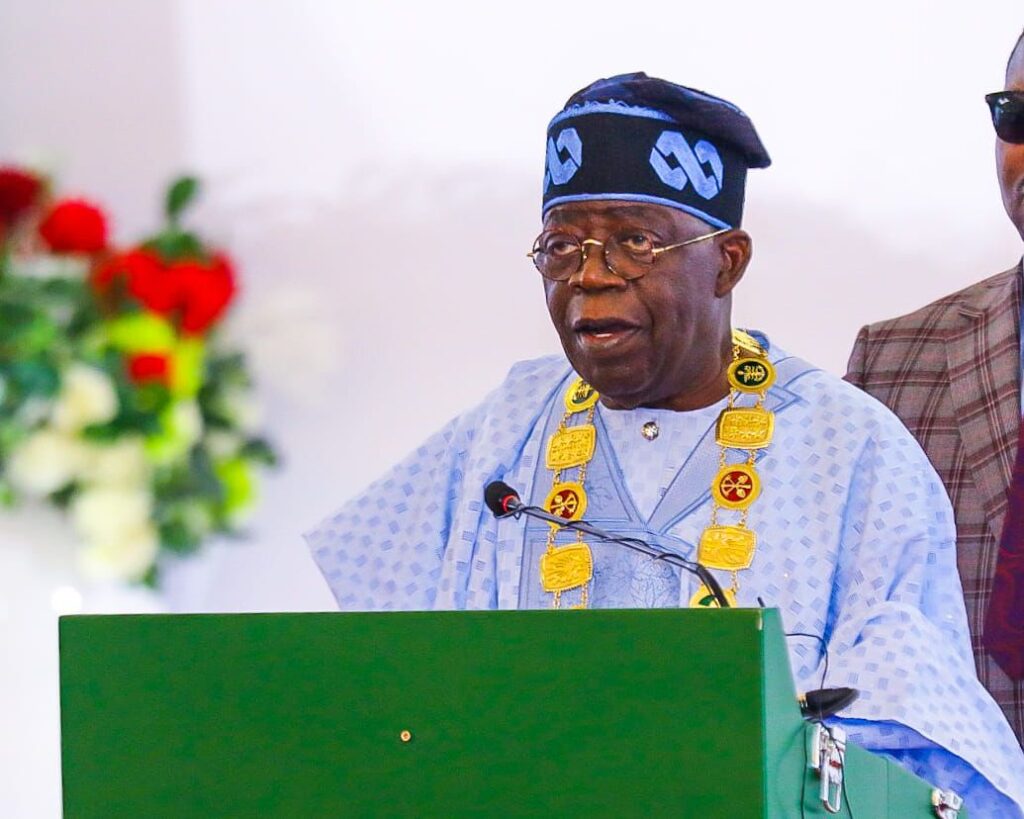
By: ThinkBusiness Africa The Federal Government of Nigeria (FGN) has successfully raised a total of N596.465 billion in the final FGN Bond auction for the year, conducted by the Debt Management Office (DMO) in December 2025. The auction result signals robust investor confidence in sovereign debt instruments, with the total allotment significantly exceeding the N460 billion initially offered, reflecting continued high liquidity and demand within the domestic fixed-income market. According to DMO the auction, held on December 15, 2025, involved re-openings of two FGN Bonds: the 17.945% FGN AUG 2030 (5-year bond) and the 17.95% FGN JUN 2032 (7-year bond). Both bonds were offered at N230 billion respectively. The 7-year tenor saw a massive 3 times oversubscription of N731.40 billion against an offer of N230 billion. This high demand allowed the DMO to allot more than double the offer, raising N494.478 billion from this tranche alone. Conversely, the 5-Year (August 2030) bond was undersubscribed, raising only N101.987 billion against the N230 billion offer. This disparity shows a clear preference among investors for the slightly longer tenor. The N596.465 billion raised at the December 2025 auction caps a year of sustained domestic borrowing through the FGN bond market. Between January and December 2025, total bond issuance reached approximately N5.12 trillion. DMO data showed. According to DMO, In January, the Nigerian government secured N669.94 billion against an offer of N450 billion. February stood out with N910.39 billion allotted from N350 billion offered, reflecting intense demand in the first quarter of this year. In September, the authorities raised 576.62 billion in allotments from a N200 billion offer. November and December closed the year with strong momentum, raising N657 billion and N596.465 billion respectively, both from offer sizes of N460 billion. The N596.465 billion raised in December will be channeled towards funding the government’s budget deficit, reducing reliance on the CBN’s Ways and Means advances, a key source of inflationary pressure. The robust closure to the 2025 bond calendar provides a strong foundation for the government’s borrowing plans for the upcoming fiscal year, reinforcing the FGN’s capacity to access capital from the domestic market.
Nigeria: FAAC shares N1.928 trillion for November as revenue drops

By: ThinkBusiness Africa The Nigerian Federation Account Allocation Committee (FAAC) has disbursed a total of N1.928 trillion to the Federal Government (FG), States, and Local Government Councils (LGCs) as the Federation Account revenue for November 2025. The allocation marks the first time in four months that the shared revenue has fallen below the N2 trillion benchmark, signaling a broad-based decline in key revenue streams during the month under review. According to the report released by FAAC, the total gross revenue available for November 2025 was N2.343 trillion. This figure is significantly lower than the N2.934 trillion gross revenue recorded in October 2025. The distributable sum of N1.928 trillion was derived from a total gross revenue pool after deducting the Cost of Collection, which amounted to N84.251 billion, and other transfers, interventions, refunds, and savings totaling N330.625 billion. According to FAAC the N1.928 trillion total distributable revenue was shared among the three tiers of government as follows: The Federal Government (FG) received N747.159 billion; State Governments (States) N601.731 billion; and Local Government Councils (LGCs) N445.266 billion. 13% Derivation (Oil-Producing States) N134.355 billion. A major factor in the dip was the underperformance of Nigeria’s crude oil production, which directly impacts the statutory revenue shared by FAAC. According to the Organisation of Petroleum Exporting Countries (OPEC) Monthly Oil Market Report (MOMR), Nigeria’s crude oil production (excluding condensates) fell marginally to an average of 1.486 million barrels per day (mbpd) in November 2025. This figure is slightly below the 1.496 mbpd recorded in October 2025, and crucially, fell short of Nigeria’s assigned OPEC quota of 1.5 mbpd The modest drop in production volume, combined with an average Brent crude oil price of approximately $63.69 per barrel in November (a slight decrease from October), directly translated into lower revenues from Petroleum Profit Tax (PPT) and Oil and Gas Royalties. The gross statutory revenue for November stood at N1.736 trillion, a significant drop of N427.969 billion when compared to the N2.164 trillion received in October 2025. Similarly, gross VAT revenue decreased by N156.785 billion, moving from N719.827 billion in October to N563.042 billion in November. The reduced allocation comes at a critical time for state and local governments, who rely heavily on the monthly FAAC disbursement to fund salaries, infrastructure projects, and essential services. The lower figures from key revenue sources, particularly oil and corporate taxes, may necessitate a review of budgetary expenditure and fiscal discipline across the sub-national level.
Nigeria: Inflation eases to 14.45% in November, extends disinflationary trend
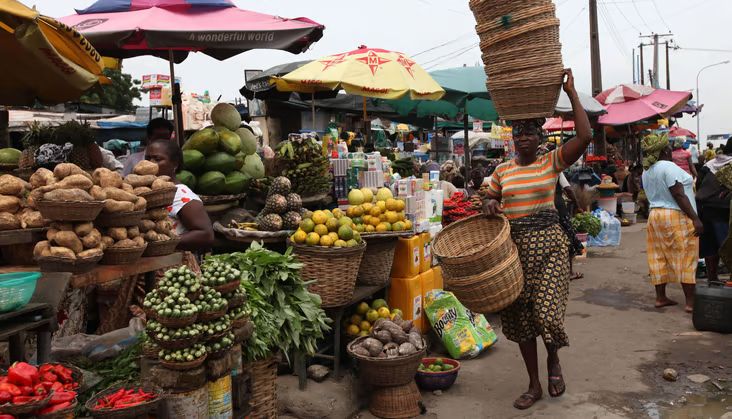
By: ThinkBusiness Africa Nigeria’s headline inflation rate continued its downward trajectory, easing to 14.45% on a year-on-year (YoY) basis in November 2025, extending its eighth consecutive month of decline. According to the latest report released by the National Bureau of Statistics (NBS) on Monday. The figure marks a 1.60% decrease from the 16.05% recorded in October 2025, officially extending the nation’s disinflationary trend. On an annual comparison, the November 2025 rate is a significant drop from the 34.60% reported in November 2024. While the annual rate slowed, the report highlighted a crucial acceleration in price increases on a month-on-month (MoM) basis. The Headline inflation rate for November 2025 rose to 1.22%, an increase of 0.29% compared to the 0.93% recorded in October 2025. This indicates that the average price level increased at a higher rate in November than it did in October. The food inflation rate on a year-on-year basis stood at 11.08% in November 2025. This figure is 28.85% significantly lower than the 39.93% recorded in November 2024. Month-on-month food inflation surged to 1.13% in November 2025, sharply reversing the negative rate of -0.37% recorded in October 2025. This MoM acceleration was primarily driven by increases in the average prices of several staple food items, including Tomatoes (Dried), Cassava Tuber, Periwinkle (Shelled), Grounded Pepper, Eggs, Crayfish, Melon (Egusi) Unshelled, Oxtail, and Onions (Fresh). The “All items less farm produces and energy” index, or Core inflation, which excludes the prices of volatile agricultural products and energy, was 18.04% on a year-on-year basis in November 2025. This represents a decline of 10.71% from the 28.75% recorded in November 2024. Unlike the Headline and Food MoM rates, the Core inflation rate saw a slight deceleration month-on-month, easing to 1.28% in November 2025 from 1.42% in October 2025. The year-on-year Urban inflation rate was recorded at 13.61%, while the year-on-year rural inflation rate was higher at 15.15%; Indicating more inflationary pressure in villages and towns compared to cities. The decline in the annual headline rate to 14.45% provides positive momentum, especially the deflationary trend in the food index, providing space for further monetary policy rate cuts. Olayemi Cardoso, governor of the central bank of Nigeria (CBN) , highlighted that the bank targets single digit inflation by the first quarter of next year. The apex bank monetary committee for the first time in over 5 years had cut its monetary policy rate by 50 basis points in its September, from 27.5% to 27% – citing months of “disinflation” and the need to ease rates to allow more consumer spending.