
Egypt’s core inflation accelerates to 12.5% in November, headline inflation 12.3%

By: ThinkBusiness Africa The North African nation’s battle against persistent price pressures saw a mixed report in November, as the Central Bank of Egypt (CBE) announced on Wednesday an acceleration in the annual Core Inflation Rate to 12.5%, up from 12.1% in October. This acceleration in underlying price pressures comes despite the headline Urban Inflation Rate easing slightly, creating a new challenge for the CBE’s Monetary Policy Committee (MPC) ahead of its crucial December meeting. While the main focus of public discussion, the Annual Urban Headline Inflation Rate, eased to 12.3% in November, down from the four-month high of 12.5% recorded in October, the rise in the core measure suggests that price stability remains elusive. The core inflation figure, which strips out volatile items like fresh fruits and vegetables, as well as administered prices such as fuel, is a key indicator of persistent, broad-based price changes in the economy. The monthly figures show a sharp decline in the overall price index, primarily driven by a fall in volatile food and beverage prices, which helped pull the headline rate down. However, the rise in core inflation signals that costs for non-food items, including services, clothing, and other manufactured goods, are continuing to climb at a faster pace. The mixed inflation report provides a complicated backdrop for the CBE, which aims to steer inflation towards its medium-term target of 7% by the end of 2026. The easing of the headline rate to 12.3% and the sharp drop in the monthly figure (to 0.3%) provide some scope for the MPC to resume the easing cycle it paused in November. A lower headline rate strengthens the case for a reduction in the benchmark overnight deposit rate, currently at 21.00%. Meanwhile, core inflation at 12.5% presents a major counter-argument. It suggests that underlying, second-round effects—where administered price hikes, like the October fuel price increase, spill over into the cost of transport, services, and general manufacturing—are still taking hold. The MPC, which held rates steady at its previous meeting after delivering 625 basis points of cuts between April and October, will now have to carefully weigh the short-term relief from food prices against the growing structural pressures implied by the core measure. The decision at the final MPC meeting of the year, scheduled for December 18, 2025, is now more finely balanced than ever. Economists are divided, with some expecting a modest rate cut to support economic growth, and others predicting another hold to solidify the anti-inflationary posture.
Agriculture drives Ghana’s 5.5% Q3 GDP amid sectoral easing
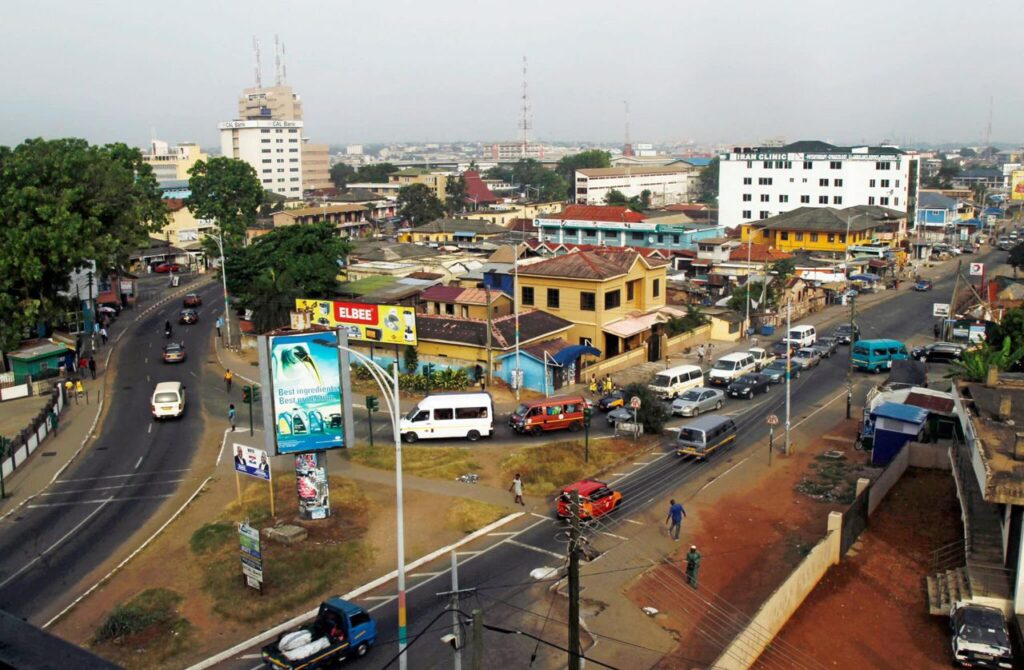
By: ThinkBusiness Africa Ghana’s economic momentum slowed in the third quarter of 2025, with real Gross Domestic Product (GDP) expanding by 5.5% year-on-year, according to latest data released on Wednesday by the Ghana Statistical Service (GSS). The latest figures mark a cooling from the revised 6.5% growth recorded in the second quarter of the year. The moderation was primarily driven by slower growth in the crucial Services sector and a near-stagnation in the Industrial sector, which was largely offset by a robust surge in. The Agriculture sector was the standout performer in Q3 2025, surging by a remarkable 8.6% compared to the same period in 2024; and a significant acceleration, up from 7.1% in Q2. Fisheries sub-sector posted the highest growth of all economic activities, expanding by an impressive 23.1%, supported by favorable weather and improved government intervention programs. The vital crops sub-sector remained the largest contributor to the sector’s gains, suggesting increasing productivity among small- and medium-scale farmers. While still the dominant contributor to Ghana’s GDP (accounting for approximately 40% of the total economy), the Services sector recorded a notable slowdown of 7.6% in Q3, a decline from the 9.6% recorded in the prior quarter. Key drivers like Information and Communication Technology (ICT) remained robust, posting a 17.0% increase. However, other sub-sectors like trade, transport, and financial services showed subdued performance, contributing to the overall cooling. The Industrial sector saw its growth decelerate sharply to a modest 0.8%, down from 2.3% in Q2. The sector was significantly dragged down by the oil and gas sub-sector, which suffered a sharp 14.1% contraction, continuing a trend observed in recent quarters. Providing a necessary counterweight, the Manufacturing sub-sector showed resilience, expanding by 3.9%. The data reinforces the narrative that Ghana’s economy is increasingly driven by its non-oil sectors. The Non-Oil GDP grew by a stronger 6.8% in Q3 2025, affirming the importance of broad-based economic activities in achieving stability. GSS highlighted that just six sub-sectors—ICT, Crops, Trade, Transport and Storage, Manufacturing, and Education—accounted for nearly 86% of total GDP growth in the quarter. “The 5.5% growth rate reflects continued resilience in the Ghanaian economy, particularly in the non-oil sectors. It underscores the ongoing structural shift where agriculture and services are becoming the primary engines of national output, compensating for the volatility in oil and gas production.” GSS said in a Statement. Ghanaian Authorities are targeting 4% growth in 2025, with projections rising to 4.8% in 2026 on the back of expected reforms and improved fiscal stability. As Ghana approaches the final quarter of 2025 and continues to implement policies under its IMF program, the focus will remain on sustaining the growth of the non-oil economy. In November Ghana central bank slashed its key lending rate by 350 basis points to 18.0 %, marking the third reduction in its key rate this year. placing the policy rate firmly in an easing cycle designed to stimulate credit expansion and boost economic growth. Ghana’s annual inflation peaked at 54% in January 2023,and dropped to a four-year low of 6.0% in November 2025, hitting the central bank’s medium-term target band of 6%-10%. Since July 2025, the apex bank has now reduced the rate by a cumulative 1,000 basis points, unwinding a period of historically high rates used to combat the surging inflation of previous years.
Nigeria: NNPC subsidiary hits 36-year oil production record at 355,000 bpd

By: ThinkBusiness Africa NNPC Exploration & Production Limited (NEPL), the upstream subsidiary of the state-owned Nigerian National Petroleum Company Limited (NNPC), has achieved a major milestone in the country’s oil sector recovery, hitting a daily crude oil production of 355,000 barrels per day (bpd). NNPC said in a statement on Tuesday. NNPC said the record output was achieved on December 1, 2025, marking the highest daily production level recorded by NEPL since 1989, underscoring a significant operational turnaround following years of volatility in the Nigerian upstream sector, that has seen oil production plummeted from peak 2.4 million bpd in 2005 to 1.5 million bpd in 2025. Since that peak, production has suffered significant declines due to factors like pipeline vandalism, crude oil theft, and instability in the oil-rich Niger Delta region. The achievement is being presented as proof that Nigeria’s efforts to stabilize and boost its oil economy are succeeding. According to the company, NEPL’s average daily production surged by 52% over the last two years, rising from 203,000 bpd in 2023 to 312,000 bpd in 2025. This sustained growth is crucial for meeting Nigeria’s ambitious national goals of reaching 2 million bpd by 2027 and 3 million bpd by 2030. “By showing its ability to exceed its own production benchmarks, NEPL confirms that the essential building blocks for scaling national output are being firmly established.” Engr. Bashir Bayo Ojulari, the Group Chief Executive Officer of NNPC Limited said in the statement. Oil revenue accounts for an estimated 50 % to 75% of the Federal Government’s budgetary revenue; in the 2025 national budget it contributes 56%, generating approximately 70% to 95% of the West African country’s foreign exchange earnings. The 355,000 bpd figure translates directly into enhanced national fiscal strength. When benchmarked against Nigeria’s total crude production, which recently stood around 1.401 million bpd (crude only), NEPL’s peak output accounts for approximately 25.3% of the country’s total volume. “For Nigerians, this accomplishment means far more than increased barrels; it translates into greater national revenue, stronger energy security, and a more resilient economic foundation.” Nicolas Foucart, Managing Director, NEPL said. As of December 2025 the price for Nigeria’s Bonny Light Crude Oil was reported at $65.77 per barrel.
Kenya’s central bank cuts key rate to 9.00% to turbocharge economic growth
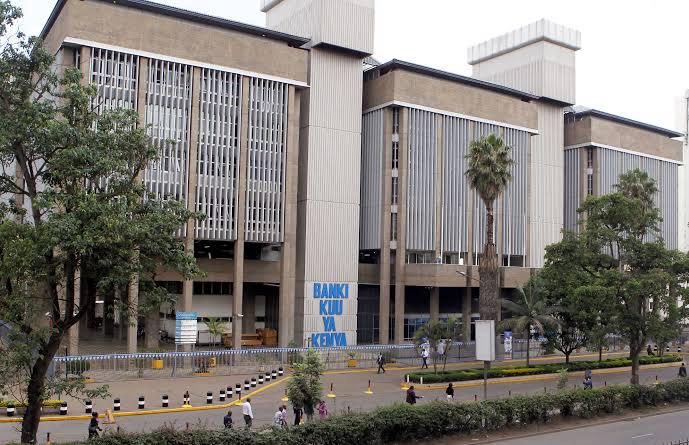
By: ThinkBusiness Africa The Central Bank of Kenya (CBK) announced on Tuesday a further reduction in its benchmark lending rate, lowering the Central Bank Rate (CBR) by 25 basis points (bps) to 9.00% from the previous 9.25%. The decision, made by the bank’s Monetary Policy Committee (MPC), marks the ninth consecutive rate cut in the ongoing monetary easing cycle and is a clear signal of the CBK’s commitment to supporting stronger economic growth and boosting private sector credit. In its statement, the MPC, chaired by Governor Dr. Kamau Thugge, cited the favorable macroeconomic environment as the primary driver for the decision. The committee noted that the continuous reduction in the benchmark rate is aimed at strengthening the policy transmission mechanism to ensure commercial banks translate the lower policy rate into cheaper credit for households and businesses. Overall inflation has remained firmly within the CBK’s target range of 2.5% to 7.5%. As of November 2025, inflation stood at 4.46% (according to the CBK), comfortably below the 5% midpoint, giving the central bank ample room for a growth-oriented policy. The Kenyan economy has continued to show resilience, with strong performance noted in key sectors like agriculture, transport, trade, and finance, driving an expected GDP growth rate of over 5.0% for the year 2025. Despite prior rate cuts, the growth of private sector credit has been gradual. The MPC believes this latest reduction will further reduce the cost of borrowing and accelerate the growth of credit, particularly to crucial sectors like manufacturing, housing, and Small and Medium Enterprises (SMEs). “This (rate cut) will augment the previous policy actions aimed at … supporting economic activity, while ensuring inflationary expectations remain firmly anchored, and the exchange rate remains stable,” CBK said. Commercial banks are now expected to adjust their own lending rates downwards. This will directly benefit borrowers with variable-rate loans, such as mortgages and business loans, by reducing their monthly repayment burden. Cheaper credit encourages businesses to take on new debt for expansion, capital investment, and job creation, which is crucial for achieving the government’s medium-term growth targets. This rate cut represents a pivotal step in the central bank’s strategy to fully transition from an anti-inflation stance to one that actively supports sustainable, credit-led economic development. The next MPC meeting in 2026 will be closely watched to gauge the effectiveness of this latest monetary easing move. The apex bank noted that its foreign exchange reserves, which currently stand at $10.7 billion (4.72 months of import cover), continue to provide adequate cover and a buffer against short-term domestic and external shocks.
$15m American-wheat unloads in Lagos as U.S-Nigeria agricultural trade gross $700m
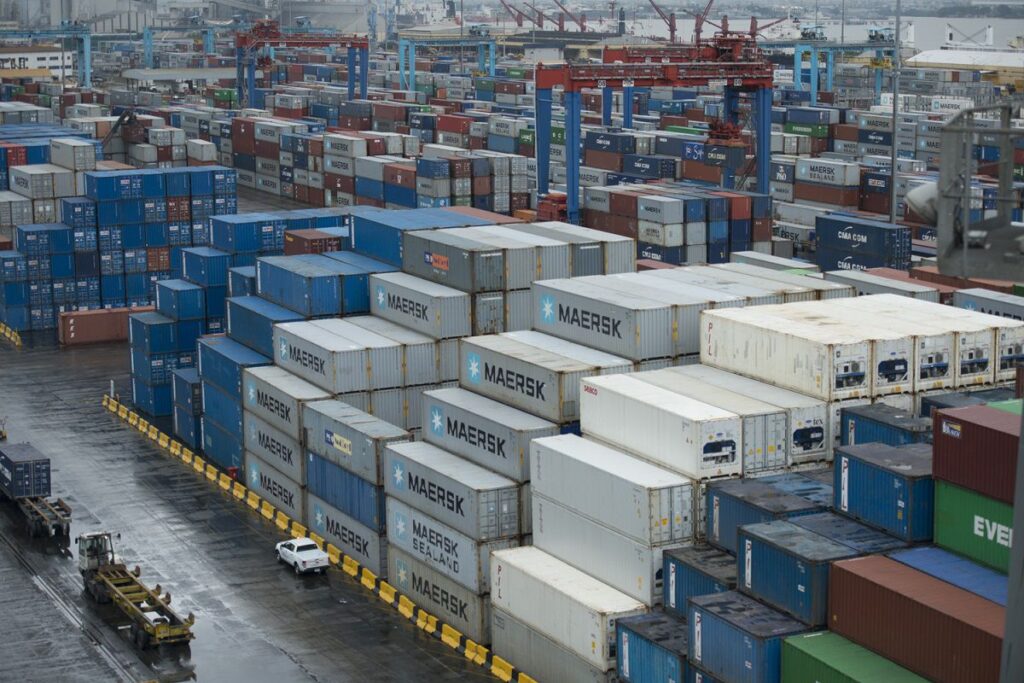
By: Chidozie Nwali A massive shipment of 50,000 metric tons of American-grown wheat, valued at approximately $15 million, is currently unloading on Tuesday at the Apapa Port in Lagos, underscoring the robust and rapidly expanding agricultural trade partnership between the United States and Nigeria. This is according to a statement from the U.S mission in Nigeria; highlighting that Nigeria is currently the third-largest export market for U.S. wheat globally. The wheat was purchased by Flour Mills of Nigeria (FMN), one of the nation’s foremost food and agro-allied companies and a major importer of U.S. wheat. FMN is a pioneer wheat miller in Nigeria, with its first mill commissioned at Apapa in 1962. The unloading was overseen by high-level U.S. officials, including Consul General Rick Swart and U.S. Agricultural Counselor Chris Bielecki, who emphasized the bilateral benefits of this trade. “U.S. agricultural trade with Nigeria supports American farmers, helps Nigerian businesses create jobs in value-added agricultural processing, and provides Nigerian consumers with high-quality food ingredients,” the U.S. Mission noted. The U.S. mission, however, announced that the U.S.-Nigeria agricultural trade is on track to more than double in 2025 to over $700 million. The surge is attributed to various factors, including competitive U.S. pricing and a more stable macroeconomic environment in Nigeria, which has been encouraged by government policies like the temporary waiving of import duties on wheat. US-Nigeria trade relationship is not just about raw material supply; it supports Nigeria’s economy by providing the necessary input for local businesses, such as flour mills, to create jobs and produce staple foods like bread, pasta, and noodles for the Nigerian populace. The continued demand for high-quality U.S. wheat is essential for Nigerian millers to produce flour that meets the west African country’s growing food consumption needs. While Nigeria’s primary exports to the U.S. have historically been dominated by crude oil, the increase in agricultural trade marks a broader economic diversification effort. The U.S. remains a vital market for Nigeria’s non-oil exports, including cocoa, rubber, and urea fertiliser. In 2024 total goods and services between the US and Nigeria grossed $13 billion, making a 16.5% increase from $11.2 billion recorded in 2023. Industrial supplies and materials were the largest export, valued at approximately $2.42 billion in 2024. Both nations are actively working to strengthen and diversify their commercial ties for mutual economic growth.
Nigeria central bank grants licences to Just 82 FX bureaus amid forex cleanup
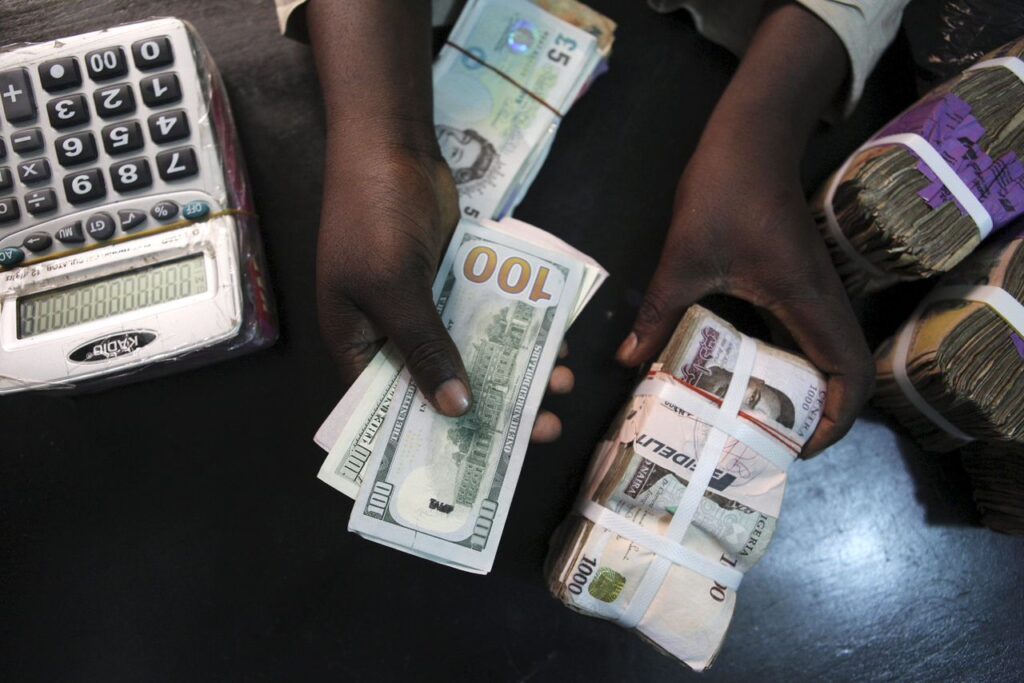
By: ThinkBusiness Africa The Central Bank of Nigeria (CBN) has granted final operating licences to only 82 Bureaus De Change (BDCs) under its rigorous new regulatory framework, marking a decisive move to consolidate and sanitize the nation’s retail foreign exchange (FX) market. The approvals, announced in a statement late Monday and effective from November 27, 2025, follow a sweeping cleanup exercise earlier this year that saw the apex bank revoke the licences of over 4,000 BDCs for non-compliance with Anti-Money Laundering (AML) and Counter-Financing of Terrorism (CFT) regulations. Furthermore, the apex bank, issued a stern warning to the public against dealing with any unlicensed FX dealers. “By this notice, only Bureaux De Change listed on the Bank’s website are authorised to operate from the effective date.” CBN cautioned. The Bank further stressed that operating a BDC business without a valid licence is now a punishable offence under Section 57(1) of the BOFIA 2020, signaling its intent to pursue legal action against illegal operators. The move is part of the CBN’s broader efforts to restore confidence and stability to the volatile foreign exchange market, which has been plagued by parallel-market abuses, round-tripping, and a wide disparity between official and unofficial rates.
Treasury overhaul: Nigeria mandates electronic revenue collection across agencies, ministries, departments
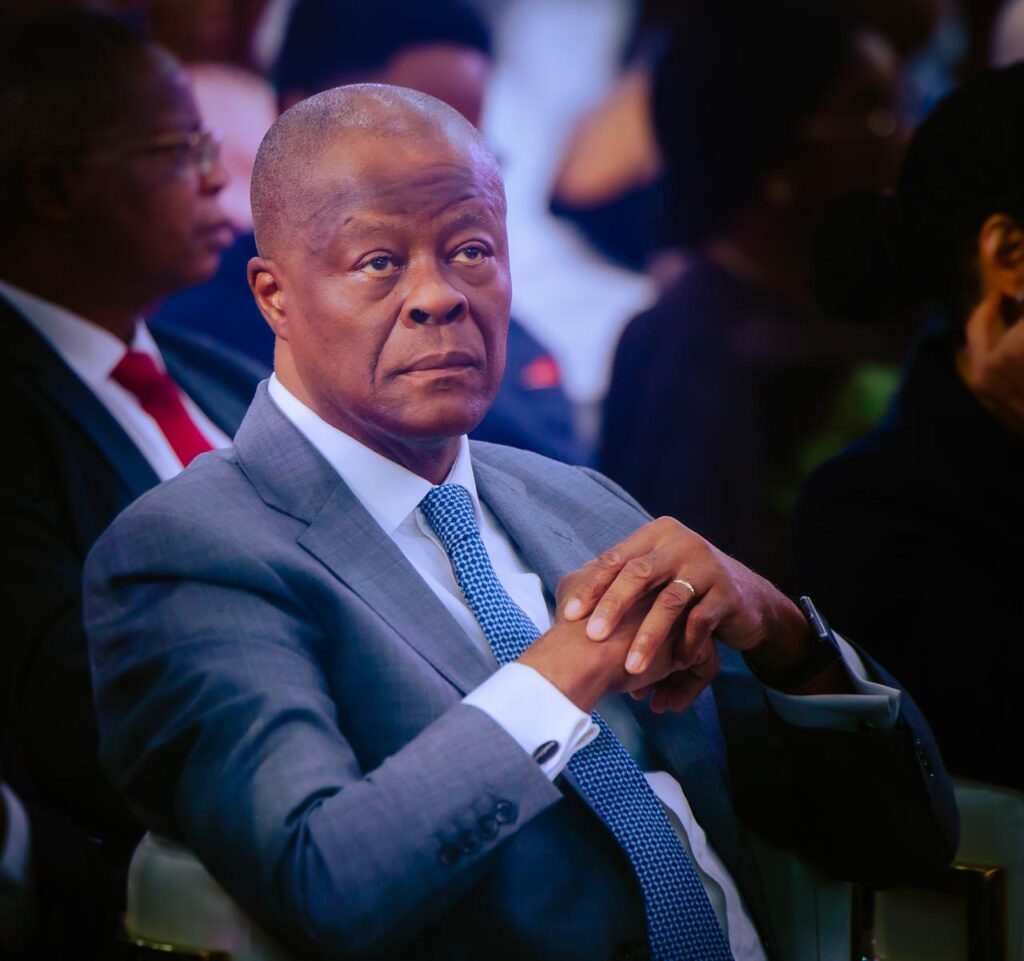
By: ThinkBusiness Africa Nigeria federal government has commenced a major, ambitious reform of its public finance administration, rolling out a unified digital monitoring hub and mandating the use of electronic receipts for all revenue transactions starting January 1, 2026. The reforms, championed by the ministry of finance through the Office of the Accountant-General of the Federation (OAGF), in a series of Treasury Circulars, seen by ThinkBusiness Africa, aim to enforce strict cashless operations, eliminating revenue leakages, and improving fiscal transparency across all Federal Ministries, Departments, and Agencies (MDAs). New digital backbone: the RevOP platform The foundation of the digital overhaul is the newly adopted Revenue Optimization (RevOP) and Assurance Platform. The OAGF has recognized RevOP as the official, service-wide platform for end-to-end revenue optimization. The platform is designed to: “Accordingly, RevOP is hereby recognized as the approved platform of the Federal Government end-to-end revenue optimization; providing unified automation of billing information, reconciliation, and treasury visibility.” OAGF said in a circular dated 27th November 2025; and signed by Dr. Shamseldeen B. Ogunjimi, Accountant-General of the Federation. Mandatory E-receipts To standardize and secure proof of payment, the OAGF is introducing the Federal Treasury e-Receipt (FTe-R). According to a separate circular dated 26th November 2025, OAGF said The FTe-R will be the only mandatory and recognized proof of revenue collection for and on behalf of the Federal Government of Nigeria. The receipt will be centrally generated on the RevOP platform under the authority and control of the OAGF. Upon generation, the FTe-R will be electronically transmitted and delivered to the payer through payment channels designated by the MDA. “The FTe-R shall serve as the official receipt for the payer and the corresponding proof of revenue collection for the respective MDA.” The circular reads. Issuance of the FTe-R will commence by next January. Strict ban on cash In a separate circular dated November 24, 2025 OAGF noted persistent violations where MDAs continued physical cash collection, despite e-payment and TSA guidelines. This trend was deemed unacceptable, as it weakens the integrity of the Federal Government’s e-collection systems. OAGF said collection and/or acceptance of physical cash (in Naira or other currencies) for all revenues due to the Federal Government is strictly prohibited. All revenue collections must be made via electronic processing. “This trend is unacceptable as physical cash collection negates Government policies and extant regulations; as well as weakens the integrity of Federal Government e-collection and e-payment systems.” OAGF noted. MDAs must conspicuously display notices stating “NO PHYSICAL CASH RECEIPT” and “NO CASH PAYMENT” at all revenue collection points. MDAs currently collecting cash must deploy functional Point of Sale (POS) terminals or other approved electronic collection devices. The circular read. No more direct deductions The OAGF also observed that MDAs were making various deductions, including charges, fees, and commissions, at the point of collection before remitting the net amount to the TSA. This, along with deploying unauthorized portals, was cited as resulting in significant revenue leakages. According to a circular dated November 25th, 2025, MDAs are directed to immediately stop any direct deductions. The Gross Amount of all revenues must be routed and settled directly into the designated TSA/Sub-TSA account without any deduction. All service charges, fees, and levies are to be paid directly from the designated TSA Sub-accounts. All portals, Payment Solution Service Providers (PSSPs), and other service providers currently engaged by MDAs must be regularized with the OAGF. The OAGF warned that Accounting Officers will be held directly accountable for any breach of these directives. MDAs found to be non-compliant with the direct deduction policy shall have all their access on GIFMIS and TSA Sub-accounts disabled. Context Earlier in October, the Minister of Finance and coordinating minister of the economy, Wale Edun, said that billions of government revenues remained outside the treasury account and were not domiciled by the central bank of Nigeria (CBN). The minister noted that the administration was working on closing fiscal leakages and improving public financial management. “It is our determination to make sure we bring in every single penny,” “There’s federal government money lying outside the TSA, lying outside of the CBN, and it requires enforcement, consensus and the right use of technology.” Edun said The TSA is a unified banking framework that consolidates all government payments and receipts to enhance financial control across all government MDAs. It was introduced to improve transparency, ensure effective cash flow management, and eliminate inefficiencies from maintaining multiple accounts across financial institutions. The latest reforms contained in the circulars is the Minister’s broader economic strategy to reduce human discretion, eliminate cash handling, enforce full audit trails, and use real-time digital insights to strengthen accountability.
DRC battles worst cholera outbreak in 25 Years, children severely impacted
By: ThinkBusiness Africa The Democratic Republic of the Congo (DRC) is currently grappling with its most severe cholera outbreak in a quarter-century, with the United Nations Children’s Fund (UNICEF) warning that the crisis is exacting a devastating toll, particularly on children. Since the beginning of the year, the country has recorded a staggering 64,427 total cases and 1,888 deaths, according to the latest figures released by UNICEF on Monday. The alarming statistics highlight a public health catastrophe fueled by persistent conflict, extreme poverty, and crumbling sanitation infrastructure. Children are disproportionately bearing the brunt of the fast-spreading, preventable disease. Nationally, children account for nearly a quarter of all infections, with 14,818 cases and 340 deaths reported among minors. The tragedy was underscored by a horrific incident in the capital, Kinshasa, where 16 out of 62 children in a single group home died within days of the disease tearing through the orphanage. “Congolese children should not be so gravely affected by what is a wholly preventable disease,” stated UNICEF DRC Representative John Agbor. “The outbreak has disrupted children’s education, exposing them to illness, and forcing them to witness the suffering and loss of family members.” Agbor said. The scale of the outbreak is linked directly to the country’s severe lack of basic hygiene and water services. The DRC has the lowest rate of access to basic water services in Africa, with only 43% of the population having access. Furthermore, a mere 15% of citizens use basic sanitation facilities. Ongoing insecurity, especially in the eastern provinces, restricts access to vital health services and forces massive displacement, increasing the density and vulnerability of communities. In response, the Congolese government has a cholera elimination plan with a proposed budget of $192 million, which UNICEF notes remains severely underfunded. UNICEF is appealing to international partners for approximately $6 million in 2026 to sustain its rapid response work. “The funding pipeline for 2026 looks very fragile, and without additional funds and coordinated action, many more lives could be lost,” Agbor warned. International health bodies stress that only long-term, sustainable investment in safe drinking water and sanitation can finally break the cycle of recurring, devastating cholera outbreaks in the DRC.
€12 million EU Initiative to boost safety at key African seaports

By: ThinkBusiness Africa The European Union (EU) has launched a significant four-year regional initiative, SCOPE Africa (Securing Corridors, Ports and Exchanges in Western and Central Africa), committing €12 million to enhance the safety, security, and operational performance of ten key seaports across West and Central Africa. The project, formally inaugurated at a seminar in Lomé, Togo, is a core operational component of the EU’s Global Gateway strategy, aiming to support the growth and resilience of vital African port infrastructures that are critical to regional and global trade. SCOPE Africa will provide targeted support to ten major ports in nine countries, all of which lie on priority land and sea corridors defined by the African Union and regional bodies. These ports serve as essential hubs for distributing goods, including to landlocked countries. The beneficiary ports include: Togo(Lomé), Nigeria. (Lagos), Senegal (Dakar), Côte d’Ivoire (Abidjan), Cameroon (Douala and Kribi), Republic of Congo (Pointe-Noire), Gabon (Libreville), Liberia (Monrovia) Cape Verde (Praia). All ten ports are along the Gulf of Guinea. The initiative is implemented by a consortium led by Expertise France in partnership with the Belgian cooperation agency, Enabel. The launch of SCOPE Africa comes at a critical time, as nearly 90% of trade to the African continent moves by sea, and regional maritime trade continues to grow. Officials at the launch seminar emphasized that the project’s ambition extends beyond technical compliance; it seeks to increase the overall resilience and competitiveness of these ports. By streamlining processes, enhancing security, and fostering regional stability, the project is expected to facilitate trade and transport, which is seen as an essential tool for the successful emergence of the African Continental Free Trade Area (AfCFTA). Crucially, the funding addresses the acute economic vulnerability faced by these ports. The historical presence of piracy in the Gulf of Guinea and systemic weaknesses in port security translate directly into high insurance premiums and risk surcharges on freight, significantly raising the cost of imports and exports. Furthermore, porous port environments facilitate illicit activities like drug trafficking and cargo theft, which results in massive loss of customs revenue for governments. By investing in security and efficiency, the EU aims to minimize operational delays, reduce costs, and ensure these ports function as reliable, uncompromised gateways for the economic prosperity of the region and its landlocked neighbors. By streamlining processes, enhancing security, and fostering regional stability, the project is expected to facilitate trade and transport, which is seen as an essential prerequisite for the successful emergence of the African Continental Free Trade Area (AfCFTA). Participants from beneficiary countries, regional organizations, and the private sector reaffirmed their commitment to the joint effort, recognizing the initiative’s profound importance for West and Central Africa’s maritime economy and long-term economic development.
Attempted coup in Benin Republic foiled; ECOWAS sends military intervention

By: ThinkBusiness Africa The attempt by a group of soldiers to seize power in the Republic of Benin failed early Sunday, according to a statement by the country’s government. The short-lived mutiny, which saw troops declare the removal of President Patrice Talon on state television, has drawn immediate, forceful condemnation from the regional bloc, the Economic Community of West African States (ECOWAS), which has sent support troops to Benin republic. The chaos began in the early morning when a small group of uniformed soldiers appeared on the state-run broadcaster, Benin TV. Identifying themselves as the “Military Committee for Refoundation” (CMR), the troops announced they had “removed from office” President Patrice Talon, dissolved the government and all state institutions, and suspended the Constitution. The group was reportedly led by Lieutenant-Colonel Pascal Tigri. Reports from the capital, Cotonou, indicated that gunfire was heard near the presidential residence at Camp Guezo, prompting security alerts from foreign embassies, including those of France and the US, which urged their citizens to avoid the area. Within hours of the televised announcement, the government released a counter-statement insisting the attempted coup had been thwarted by forces loyal to the President. Interior Minister Alassane Seidou confirmed the incident in a video message, stating: “In the early morning of Sunday, December 7, 2025, a small group of soldiers launched a mutiny with the aim of destabilizing the state and its institutions… Faced with this situation, the Beninese armed forces and their hierarchy, faithful to their oath, remained committed to the republic. Their response allowed them to maintain control of the situation and thwart the attempt.” He said. The presidency confirmed that President Talon, the 67-year-old former businessman, was safe and that the loyalist army was quickly restoring order. Officials asserted that the mutineers only controlled the television station briefly and that Cotonou and the rest of the country were “completely secure.” However, the attempted military takeover triggered a furious reaction from the Economic Community of West African States (ECOWAS), which has been struggling to contain a wave of successful coups across the region, including in neighboring Niger and Burkina Faso. In a strong statement released from its headquarters in Abuja, ECOWAS condemned the “unconstitutional move” and reaffirmed its support for the legitimate government of Benin, and has sent stand by forces to support the west African nation. “The Chair of ECOWAS Authority of Heads of state and Government has ordered the deployment of elements of the ECOWAS Standby Force to the Republic of Benin with immediate effect. The Regional Force shall be made up of troops from the Federal Republic of Nigeria, Republic of Sierra Leone, Republic of Cote Divoire, and Republic of Ghana. The Force shall support the Government and the Republican Army of Benin to preserve constitutional order and the territorial integrity of the Republic of Benin.” ECOWAS said in a statement late Sunday. Similarly, the African Union Commission also issued a sharp condemnation, stressing that any military interference in political processes is a “grave violation” of the continent’s fundamental principles. The brief period of instability comes months before Benin’s next presidential election, scheduled for April 2026, which would mark the end of President Talon’s second and final constitutional term.
