
Senegal Credit Rating Slashed to ‘CCC+’ by S&P Amid Critical Debt Strains
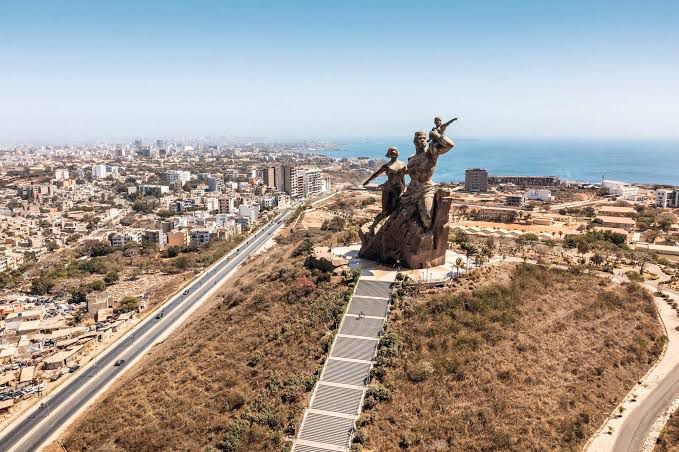
By: Chidozie Nwali S&P Global Ratings has delivered a sharp blow to Senegal’s financial credibility, downgrading the West African nation’s long-term foreign currency sovereign credit rating to ‘CCC+’ from ‘B-‘. The decision, announced Friday, places the West African nation deep into highly speculative territory, citing a “precarious debt position” and “elevated” borrowing needs for 2026. The downgrade highlights the severe fallout from the discovery of massive undisclosed public debt under the previous administration, which has created a fiscal crisis for the new government of President Bassirou Diomaye Faye and Prime Minister Ousmane Sonko. Following an audit by the new government, total general government debt is now estimated at 119% of GDP as of December 2024, which is more than 40 percentage points higher than previously reported. the IMF, places the public debt-to-GDP ratio as high as 132% when accounting for various off-balance-sheet liabilities. S&P noted that this staggering debt level, combined with a projected gross financing requirement of approximately 29% of GDP for 2026, leaves public finances highly exposed. “The public finances remain precarious, particularly in the absence of a comprehensive official support program. The ‘CCC+’ rating reflects a vulnerability to adverse conditions and a substantial risk of default in the medium-term without immediate external financing.” S&P stated. The rating agency also placed the country on CreditWatch developing, indicating the rating could be lowered further if Senegal fails to refinance its upcoming commercial debt maturities, which include a critical $1.8 billion external debt service due in 2026. The debt crisis has been amplified by the suspension of a crucial $1.8 billion International Monetary Fund (IMF) program in late 2024, which followed the initial revelation of the hidden debts. While negotiations for a new program and a vital “debt misreporting waiver” began in October 2025, talks concluded earlier this month without a final agreement. A key sticking point is the IMF’s potential insistence on debt restructuring (which could involve losses for creditors) for a new deal, an option Prime Minister Sonko has publicly and vehemently rejected. Prime Minister Sonko’s Position: “Senegal is a proud nation… We will not be treated like a failed state. We will meet our obligations with our own means,” Sonko stated recently, calling debt restructuring a “disgrace.” In response to the crisis, the Sonko-Faye government unveiled its flagship “Jubbanti Koom” Economic and Social Recovery Plan in August. The plan is described as a move toward “assertive sovereignty”, aiming to finance 90% of development initiatives through domestic resources to reduce dependence on foreign borrowing. The economic plan increases taxes on mobile money, online gaming, tobacco, and alcoholic beverages. Targeting to slash the budget deficit to 3% of GDP by 2027 from 12.6% in 2024. However, S&P remains skeptical of the government’s ambitious deficit targets, projecting the deficit will remain elevated at 8.1% of GDP in 2026, noting that the “very high tax yield” assumed from the new measures poses a significant risk. Despite the severe fiscal challenges, S&P noted a silver lining in Senegal’s dynamic economy. The country is poised for a significant economic boost from the commencement of its new oil and gas production, including the Sangomar oil field and the Greater Tortue Ahmeyim gas project. The government is forecasting 6.8% GDP growth for the full year, driven in part by a strong 12.1% growth rate in the first quarter of 2025. The immediate challenge for Dakar is to bridge the funding gap for 2026 and finalize a comprehensive support program that can restore investor confidence without compromising the government’s stated commitment to financial sovereignty.
S&P Global upgrades Nigeria’s outlook to ‘positive’ on sustained economic reforms
By: ThinkBusiness Africa S&P Global Ratings, the international credit rating agency, revised Nigeria’s sovereign credit outlook from ‘stable’ to ‘positive’ on Friday, signaling increasing investor confidence in the sustained economic reform agenda being implemented by the Nigerian government since mid-2023. The agency simultaneously affirmed Nigeria’s ‘B-/B’ long- and short-term foreign and local currency sovereign credit ratings. The positive outlook suggests a potential further upgrade of the West African country’s rating over the next 12 months if the government successfully entrenches its fiscal and external gains. S&P cited “broad-based structural indicators starting to improve” adding “The monetary, economic, and fiscal reforms being implemented by Nigerian authorities will yield positive benefits over the medium term,” S&P said. The removal of currency trading restrictions and the establishment of a “willing-buyer, willing-seller” model has helped close the gap between official and unofficial exchange rates, boosting market confidence and attracting external funding. Nigerian local currency (Naira) has seen stability and appreciated over 7% against the U.S dollar this year. President bola Ahmed tinubu as part of his bold economic reforms had removed costly fuel subsidy, this move has been crucial for strengthening the government’s financing capacity. A gradual rise in oil production, coupled with the landmark commissioning of the substantial Dangote refinery, is expected to significantly reduce the nation’s import bill and strengthen its external position. The positive assessment is underpinned by strengthened economic projections. S&P now forecasts Nigeria’s real GDP growth to average 3.7% over 2025-2028, an increase from its previous forecast of 3.2%. This acceleration is attributed to expected higher oil production and improving private sector confidence. The country’s external position has also seen notable improvement. Gross foreign reserves are estimated at just under $44 billion as of October 2025. The current account is expected to maintain a surplus position through 2028, supported by increased domestic refining capacity and reduced imports resulting from currency depreciation and subsidy removal. In May, Moody global ratings upgraded Nigeria’s long-term issuer ratings from Caa1 to B3 and changed the outlook to Stable from Positive. Similarly, Fitch Ratings had Upgraded the country’s credit rating from ‘B-‘ to ‘B’ with a stable outlook. Nigeria returned to the international money market last week with $2.35 Eurobond sales to finance its budget deficit. The bond was over subscribed by $13 billion. This sovereign rating acts as a ceiling for corporate ratings. As the country’s creditworthiness improves, large Nigerian banks and companies (especially those that operate internationally, like those in the oil & gas or telecom sectors) can also see their cost of international borrowing fall, making expansion and long-term projects cheaper to finance.
Paystack suspends Co-founder Ezra Olubi after sexual inappropriate posts resurfaced
By: ThinkBusiness Africa Paystack, one of Africa’s leading fintech giants and a subsidiary of U.S. payments company Stripe, has suspended its co-founder and Chief Technology Officer (CTO), Ezra Olubi on Friday, following a major social media controversy involving allegations of sexual misconduct and the resurfacing of explicit, decade-old posts. The suspension, confirmed by the company on Friday, is effective immediately, pending the outcome of a formal internal investigation. The controversy erupted on Thursday after an allegation of sexual misconduct involving a subordinate began circulating online. This heightened scrutiny led social media users to revisit Olubi’s past digital footprint, unraveling series of inappropriate and sexually explicit tweets dating back to between 2009 and 2013. “Paystack is aware of the allegations involving our Co-founder, Ezra Olubi. We take matters of this nature extremely seriously. Effective immediately, Ezra has been suspended from all duties and responsibilities pending the outcome of a formal investigation.” The fintech giant said. The company emphasized that it would not comment further until the inquiry is concluded, stating, “Out of respect for the individuals involved and to protect the integrity of the process, we will not be commenting further until the investigation is complete.” Paystack added. The most damaging element of the crisis stems from screenshots of Olubi’s previous social media activity, which quickly went viral. Following the intense public backlash and the spread of the screenshots, Olubi deactivated his X (formerly Twitter) account. He has not issued a public statement regarding the suspension or the contents of the resurfaced posts. Paystack was acquired by the U.S. payments giant, Stripe, in a deal reportedly valued at over $200 million, in October 2020, In July 2024, Paystack announced that businesses in Nigeria processed over N1 trillion (Naira) in transactions in a single month for the first time ever. The fintech giant is now trusted by over 200,000 businesses across Africa. 2023/2024, when Bank Transfers became the most popular payment channel in Nigeria, accounting for over 66% of transactions on the platform. Olubi, is a prominent figure in the Nigerian tech scene, was conferred with the national honour of Officer of the Order of the Niger (OON) by the late Nigerian president Mohammed Buhari.
Empowering Nigeria’s Youth: The CORE Development Initiative Story
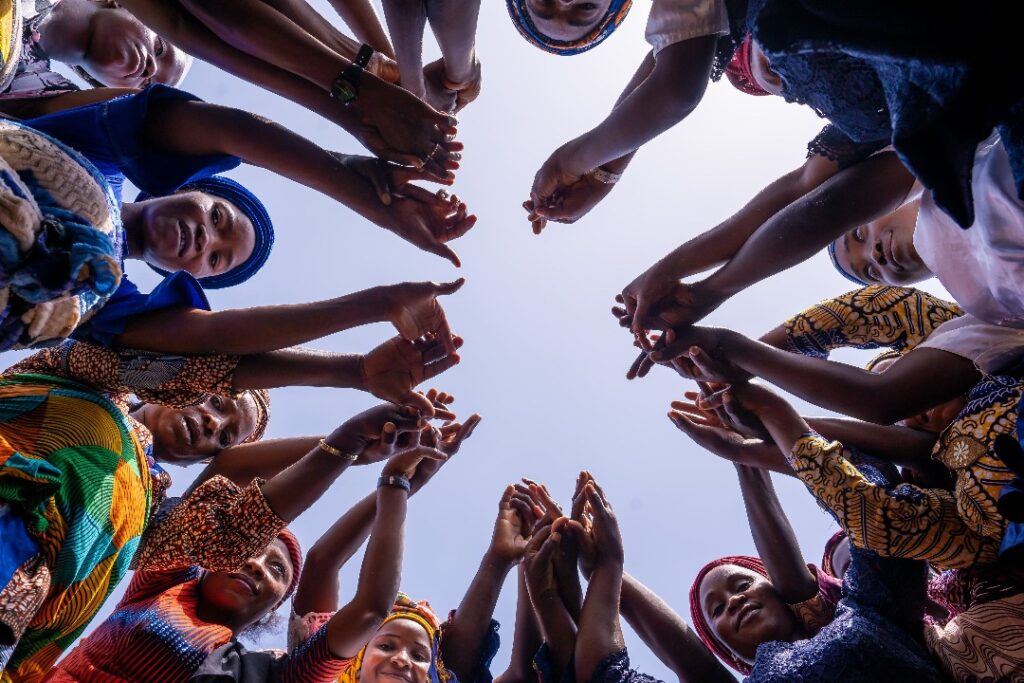
By: Oluwaseyi Ampitan In a world where youth make up over 40 percent of the global population, organizations that focus on developing their potential are more critical than ever. One Nigerian nonprofit has been doing just that for more than a decade. Founded in September 2012 and incorporated in January 2013, CORE Development Initiative (COREDEVINI), stands as a beacon of hope for young Nigerians navigating a world of uncertainty, unemployment, and untapped potential. With a mission to help individuals identify and harness their innate abilities for employ-ability or entrepreneurship. COREDEVINI has spent the last decade fostering skills, leadership, and opportunities that drive economic growth and social change. As Nigeria grapples with youth unemployment, COREDEVINI’s holistic approach is more vital than ever, empowering the next generation to build a brighter, more inclusive future. A Vision Rooted In Purpose Founded by Kai Orga CEO and director of Creating Opportunities and Reinventing Expertise (COREDEVINI) — emerged from a deep understanding of Nigeria’s youth challenges, as highlighted in global reports like the Commonwealth Global Youth Development Index, where Nigeria ranked 140th out of 170 countries in 2013. According to the World Bank, Nigeria has a population of over 225 million with 70 percent under the age of 30. Recognizing that youth are key drivers of innovation, the organization was established to address barriers such as unemployment, communicable diseases, poor health, and political instability. Its vision is clear: to ensure every young generation identifies its potential and makes a lasting impact in their spheres of influence. Solutions That Drive Progress At the core of COREDEVINI’s work is a strategic engagement model encompassing advocacy, outreach, and youth empowerment. The organization delivers a wide array of programs tailored to its target audience: fresh and unemployed graduates, adolescent girls and women, unskilled youth, students aged 11-35, and disadvantaged groups like grassroots youth, orphans, and people living with disabilities. Key offerings include: Trans-formative Programs and Projects COREDEVINI’s impact spans several innovative programs designed to build confidence, skill, and opportunity among vulnerable groups. In its first decade, the organization trained, developed, and mentored over 2,000 individuals, helping many start businesses, secure white-collar jobs, or gain internships. More recently, COREDEVINI’s focus on digital skills and innovation has shone through events like the 2023 International Girls in ICT Day and the 2024 unveiling, empowering youth with tools for a tech-driven economy. Beyond training and mentorship, COREDEVINI plays an active advocacy role — bridging the gap between young Nigerians and policymakers. The organization regularly organizes youth forums and town hall meetings to gather feedback and influence youth-centered policies on employment, entrepreneurship, and gender inclusion. Over the years, COREDEVINI has hosted more than 50 workshops and summits, including the Youth Innovation Conference, Women Employability and Entrepreneurship Summit, and International Youth Day events. These gatherings not only inspire dialogue but also produce tangible outcomes, from new partnerships to youth-led business startups. UBEB RecognitionCORE Development Initiative’s mentorship initiative is officially recognized and approved by the Universal Basic Education Board (UBEB), Abuja, for its consistent work in supporting public primary education through mentorship and life skills programs. The organization currently partners with 21 LEA primary schools across the FCT, delivering mentorship sessions focused on character building, leadership, menstrual hygiene, mental health, and first aid. This recognition underscores COREDEVINI’s credibility and commitment to advancing inclusive education and child development in Nigeria. Upcoming ProjectsCOREDEVINI continues to expand its reach with several groundbreaking initiatives designed to deepen community impact and empower women, youth, and children: Why COREDEVINI Stands Out What sets COREDEVINI apart is its deep expertise in Nigeria’s youth landscape, combined with innovative, localized solutions. Through feedback systems, partnerships with international organizations, governments, and community groups, and a membership charter like the CORE Employ-ability and Entrepreneurship Club, the organization ensures long-term follow-up and measurable progress. In a nation where higher learning institutions produce millions of graduates annually with limited preparation, COREDEVINI’s emphasis on self-knowledge, employ-ability mentality, and entrepreneurial capacity fills a critical void. Join The Movement COREDEVINI invites partners, donors, and collaborators who share their vision of empowering the next generation to join them. Together, partners can create safe learning spaces, expand mentor-ship across more schools, strengthen livelihood opportunities for women, and drive local impact that aligns with the Sustainable Development Goals (SDGs) — particularly SDG 4 (Quality Education), SDG 5 (Gender Equality), and SDG 8 (Decent Work and Economic Growth). Kai Orga, COREDEVINI’s founder says, “Our journey at CORE Development Initiative is rooted in the belief that every child deserves guidance, every woman deserves opportunity, and every community deserves hope. We started small — one classroom, one conversation, one girl or woman lifted, one act of care — and today, we’re nurturing thousands of dreams. The future we envision is one where knowledge is power, compassion drives action, and development is not just seen but felt in every home.” As Nigeria’s economy evolves, COREDEVINI remains at the forefront, driving progress with empowering initiatives. Visit www.coredevini.org to learn more, or connect on Facebook (@Coredevini), Instagram (@coredevini), or X (@coredevini1). For partnerships or inquiries, reach out at Coredevini1@gmail.com or +234 (0) 703 340 9059 / (0) 803 516 2629. With COREDEVINI, Nigeria’s youth future is not just promising—it’s unstoppable.
Africa’s Cholera toll rises: worst outbreak since 2000 – CDC warns
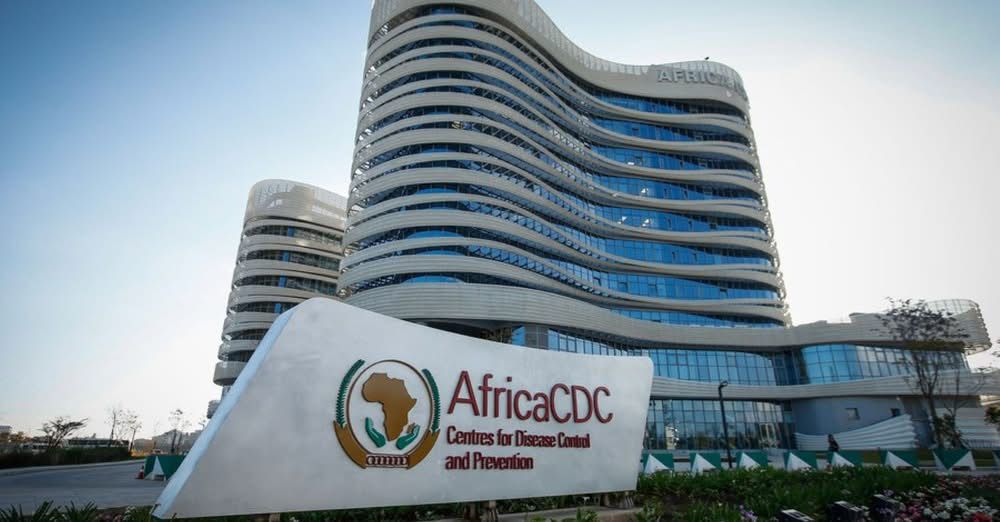
By: ThinkBusiness Africa Africa is grappling with its most severe cholera outbreak in a quarter of a century with over 300,000 confirmed cases, Africa Centres for Disease Control and Prevention (Africa CDC) said on Thursday. The health crisis is driven by a dangerous confluence of fragile water systems and escalating regional conflicts, which prevent effective disease control. According to Africa CDC approximately 300,000 cases (confirmed and suspected) have been recorded across multiple African Union Member States. The death toll has surpassed 7,000 fatalities. These figures represent more than 30% increase in total cases compared to the previous year, demonstrating the current outbreak’s explosive trajectory. Case Fatality Rate (CFR) is worryingly high in certain regions, far exceeding the WHO’s acceptable threshold of 1% for cholera. Africa CDC Angola’s CFR is particularly alarming at 2.6%, The oil-rich South African country is experiencing a recent surge, characterized by an exponential second wave. The primary driver identified is poor access to safe water and sanitation. As of October 28, 2025, Angola had reported a total of 33,146 cholera cases and 859 deaths since the outbreak began in January 2025. Similar to Angola, Burundi is facing a recent surge in cases. The crisis here is also primarily driven by poor access to safe water and sanitation. Africa CDC emphasized that Conflict-Stricken Areas are marked by high concern, as the disease remains active and is spreading rapidly. The key factor is the creation of ideal conditions in overcrowded displacement camps and poor sanitation due to instability. DR Congo, South Sudan, Sudan: While these nations have historically carried a high cholera burden and have noted declines in recent weeks, the risk remains substantial. The core causes in these states are conflict, mass displacement, and collapsed health infrastructure. The vast scale and simultaneous nature of the outbreaks across the continent are severely straining humanitarian and public health resources.
Nigeria scraps planned 15% petrol and diesel import duty amid price hike fears
By:ThinkBusiness Africa The Nigerian Midstream and Downstream Petroleum Regulatory Authority (NMDPRA) announced on Thursday suspension of the planned implementation of a 15 per cent ad-valorem import duty on petrol (Premium Motor Spirit, PMS) and diesel (Automotive Gas Oil, AGO), following widespread concern that the new tariff would trigger a fresh round of fuel price increases and exacerbate the nation’s high inflation rate. NMDPRA clarified that the implementation of the contentious duty is “no longer in view.” This decisive reversal comes just weeks after the policy, approved by President Bola Tinubu in October, was set to take effect. “It should also be noted that the implementation of the 15% ad-valorem import duty on imported Premium Motor Spirit and Diesel is no longer in view.” NMDPRA statement read. The primary objective of the now-shelved duty was to support the growth of local refining capacity, notably the 650,000-barrel-per-day Dangote Petroleum Refinery, by making imported petroleum products more expensive. The government had argued the tariff would align import costs with domestic production realities and promote energy independence. However, the policy was met with immediate backlash from stakeholders, including independent fuel marketers, who warned that the measure would restrict imports, reduce market competition, and potentially lead to a complete reliance on a single domestic source. Crucially, the NMDPRA used the announcement to address growing fears of fuel scarcity, assuring the public of adequate supply across the country during the approaching peak demand period of the year-end holidays. “The Nigerian Midstream and Downstream Petroleum Regulatory Authority wishes to assure the general public that there is an adequate supply of petroleum products in the country, within the acceptable national sufficiency threshold during this peak demand period,” NMDPRA said. While consumer groups and marketers largely welcome the suspension for averting an immediate cost-of-living crisis, some industry groups, such as the Manufacturers Association of Nigeria (MAN), expressed disappointment, viewing the import duty as a necessary step to protect domestic investment and accelerate Nigeria’s journey toward energy self-sufficiency. Economic analysts projected that the 15 per cent tariff, calculated at approximately N99.72 per litre of imported fuel, could have cost Nigerian consumers an estimated additional N973.6 billion (nearly N1 trillion) annually in increased fuel expenses. This potential hike was viewed as a major threat to stability, given that the Consumer Price Index (CPI) for transportation has already soared to 126.20 points as of September 2025. The increment could’ve pushed the estimated average retail pump price in Lagos into the range of N964.72 per litre, up from the current N860 price band. Currently, Nigeria’s national daily petrol consumption is estimated at 50 million litres. The Dangote Refinery recently announced a combined daily output of 70 million litres of petrol and diesel, signaling its potential to surpass domestic needs.
Nigeria experiences 11th consecutive month of businesses expansion, PMI hits 55.4
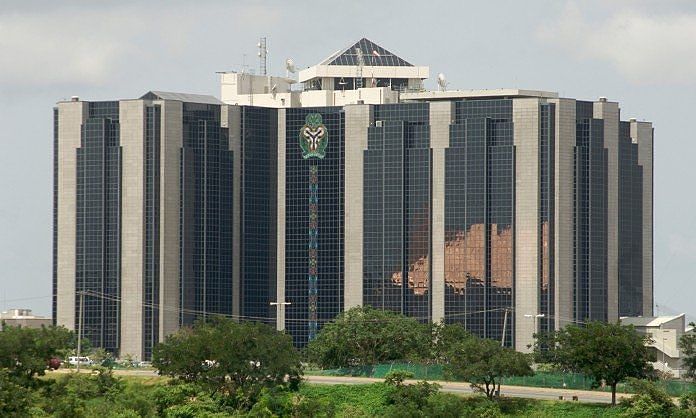
By: Chidozie Nwali Nigeria’s private sector activities accelerated sharply in October, with the Composite Purchasing Managers’ Index (PMI) climbing to 55.4 index points, signaling a stronger and broader expansion across the economy. This marked the eleventh consecutive month of business expansion, December 2024 till October this year, PMI index has remained above 50 points. This, according to the latest Central Bank of Nigeria (CBN), October PMI report. “Composite PMI for October 2025 stood at 55.4 points, signaling expansion in aggregate economic activity for the eleventh consecutive month. Out of the 36 subsectors covered in the survey, 25 experienced expansion in economic activity.” The report noted. (A reading above 50 points signifies expansion, while a reading below 50 indicates contraction.) The report showed a notable increase from the 54.0 points recorded in September 2025, indicating that business conditions are improving as Africa’s leading economy enters the final quarter of the year. The strong PMI data aligns with recent macroeconomic stabilization efforts made by Nigerian monetary authorities. In September 2025, the CBN’s Monetary Policy Committee (MPC) reduced the Monetary Policy Rate (MPR) by 50 basis points to 27.00 per cent, citing sustained disinflation and the need to support recovery. This rate was effective throughout October, demonstrating a cautious pivot towards growth support. The CBN’s efforts have seen the naira stabilize and foreign reserves cross $43 billion (as of early November). Last month Nigeria was removed from the Financial Action Task Force (FATF) grey list, which has boosted investor confidence and reduced the cost of international financial transactions. Output components leads, businesses scale up According to the report, overall positive performance was largely driven by robust increases in market demand and production. The strongest components of the Composite PMI were: This modest job growth contrasts with Nigeria’s official unemployment rate, which was last reported around 4.3 per cent (June 2024), but the PMI suggests consistent movement toward greater employment stability. Agriculture and services lead sectoral growth All three primary economic sectors—Agriculture, Services, and Industry—maintained expansionary paths, with the non-industrial sectors exhibiting the strongest performance: However, the Petroleum & Coal Products subsector reported the most severe contraction, highlighting continued volatility in the extractive sector. The report dismissed the contraction as “insignificant.” “The overall impact was insignificant to offset the broad-based expansion observed across the other subsectors.” The report noted. High inflation remains a headwind Despite the widespread expansion, the report signaled sustained high-cost pressures, particularly within the food production value chain. The Agriculture Sector recorded the widest gap between input and output prices at 8.4 index points. This wide margin suggests that while agricultural activity is increasing, producers are facing sharply rising costs for crucial inputs (such as fertilizers and logistics), which they are either unable or unwilling to fully pass on to consumers. This dynamic points to either significant margin compression for farmers or sustained inflationary risk in food prices, which remains a key concern for the overall economy. In the Industry Sector (54.2 points), challenges persist, dampening its contribution. Despite the expansionary PMI, the sector’s real GDP growth remains subdued (1.60% YoY in Q2 2025 according to Nigerian Bureau of Statistics NBS). The fact that 8 out of 17 subsectors contracted—with Petroleum & Coal Products showing the most decline—highlights severe structural impediments. Manufacturers are currently grappling with significant port bottlenecks, which stall the clearance of imported raw materials. This, combined with unreliable power supply, high energy/logistics costs, and a widening N14.3 trillion trade deficit in the first half of 2025, continues to deter foreign investment and limit the sector’s long-term competitive potential.
Nigeria Stock Exchange market gains, recovering from 5% single-day Loss
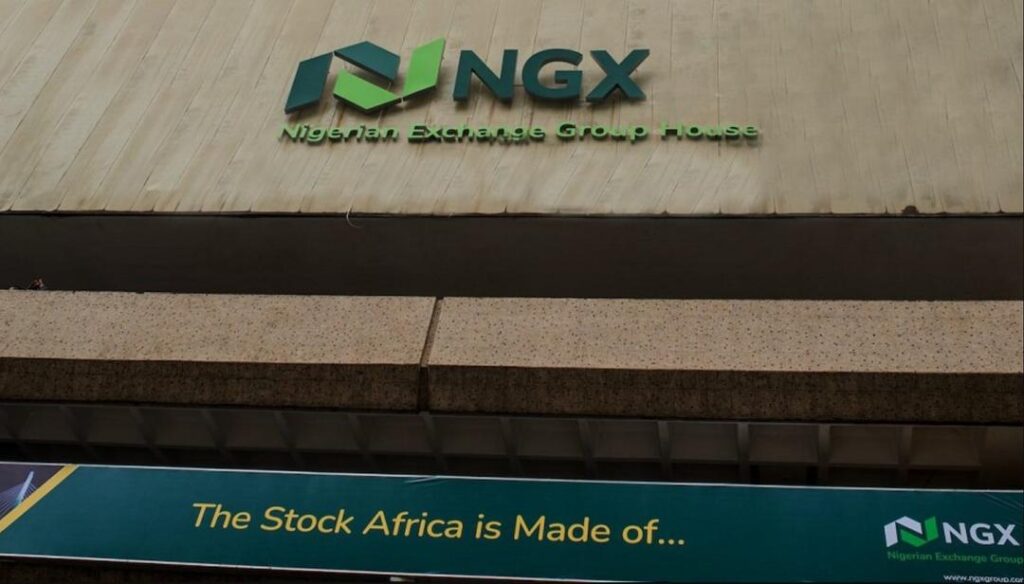
By: ThinkBusiness Africa The Nigerian Exchange (NGX) experienced a shift in sentiment on Wednesday , closing on a decidedly bullish note to decisively end an eight-session streak of losses that had wiped trillions off the market since last week. According to the stock exchange market the NGX All-Share Index (ASI) surged by 2.88% to close at 145,403.83 points on Wednesday. The strong reversal marks a significant comeback for the Nigerian equities market, particularly after a brutal trading session on Tuesday that saw the ASI plunge by more than 5%—its steepest single-day loss in years—uncertainty over the new capital gain tax regime. Wednesday’s spectacular rally added substantial value back into the equities market. The total valuation of the equity segment climbed with the ASI, increasing by 2.88% to settle the Equity Market Capitalization at ₦92.48 trillion. This performance signals that institutional investors and high-net-worth individuals, who had previously exited positions, are now returning to acquire fundamentally sound stocks at depressed prices. The Exchange Traded Products (ETPs) segment also maintained positive momentum, recording a 1.39% gain to close at ₦33.19 billion. However, the Fixed Income market experienced a slight dip, closing marginally lower by 0.04% at ₦52.58 trillion Market analysts view Wednesday’s performance as a strong technical rebound following an oversold condition. The eight-day losing streak had been largely attributed to portfolio rebalancing and panic selling driven by the recently signed Nigeria Tax Act (NTA) 2025, specifically its radical increase in the Capital Gains Tax (CGT) rate from 10% to 30%. The panic-sell saw the All-Share Index (NGX-ASI) loss 5.01% on Tuesday. This plunge brought the index down to 141,327.30 points from 148,781.90 on Monday. An estimated N4.61 trillion was wiped out in a single session. Under the new law, scheduled for full implementation in January 2026, the CGT rate for companies and certain foreign portfolio investors on the sale of Nigerian shares is set to triple from 10% to 30%. This impending increase created an urgent incentive for institutional and foreign investors who had locked in significant profits over the past year to liquidate their holdings before year-end, thereby realizing their gains under the current, lower 10% regime. The mass exit to avoid the higher future tax rate was the primary catalyst for the sharp, deep correction.
Nigeria: Credible policy, transparent market key to restoring investors confidence – Cardoso
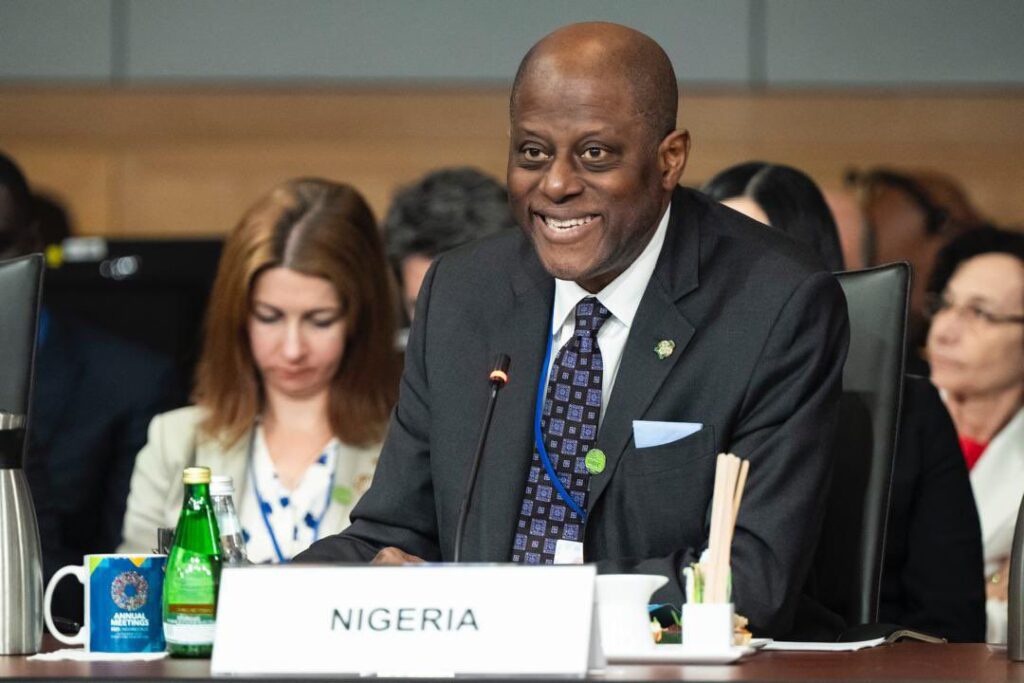
By: ThinkBusiness Africa The Central Bank of Nigeria (CBN) governor, olayemi Cardoso emphasized that sound government policies, transparency and credible governance are the forces driving huge investors confidence in Nigeria. On Tuesday, at the CBN executive seminar, while speaking on the theme “Deepening Reforms: Paths to Disinflation and Sustainable Growth” the apex bank chief told economic thought leaders gathered at the event that, transparency and fairness are vital to the Bank’s operations, emphasising that “At the CBN, you no longer need to ‘know somebody’ to get your work done.” He said. He noted that the apex bank are in collaboration with fiscal authorities (including the ministry of finance) to bring down production cost, enhance competitiveness and increase industrial outputs in the country. The apex bank governor showed deep optimism in the country’s economic trajectory, noting that “We are moving in the right direction, but it will take collective effort and focus to achieve shared prosperity.” He said. Under Mr. Cardoso leadership at the CBN Nigeria has been on the part of disinflation and steady increase in its foreign exchange (FX) reserves. Headline Inflation peaked 34% last year December, but has seen steady decline since this year. Nigeria has eased for 10 consecutive months in 2025. Inflation opened this year at 24.48% and eased to 18.02% in September according to the Nigerian bureau of statistics (NBS). Following the clearing of $7 billion FX backlog owed by the previous administration, Nigeria’s FX reserves has been on a steady increase as investors now see the country as a top investment destination in Africa. FX reserves grossed over $43 billion in November 2025 (over 11 months of import cover), from $32 billion in 2024 (over 33% increase) and is projected to reach $45 billion before the end of year. Last week, Cardinalstone, an investment power house in their macroeconomic filing for Nigeria’s $2.35 billion Eurobond sales projected the FX reserves to climb $45 billion dollars before the end of the year, citing strong investor confidence and increased foreign portfolio investments. The eurobond was 4 times oversubscribed, attracting over $13 billion from global investors, further demonstrating huge investor appetite for the west African country’s debt security. The foreign exchange rate reforms championed by the governor helped Nigeria’s local currency (Naira) attain a high level of stability in face of global uncertainties. The Naira has appreciated more than 7% against the U.S dollar this year, and currently trades at N1437 per dollar. Below the N1500 psychological zone.
Nigeria’s planned Capital gains tax unsettles market, drops 5%
By: ThinkBusiness Africa The planned changes to Nigeria’s Capital Gains Tax (CGT) regime, has caused a huge selloff in the country’s stock exchange market as investors sought to lock-in profit before implementation begins in January next year. According to Bloomberg, the Nigerian Stock Exchange (NGX), All Share Index fell 5% on Tuesday crashing from N94.5 trillion on Monday to N89.8 trillion. The NGX has been on a downward trend for seven straight days, the longest losing streak since August 1, 2024. Victor Aluyi, co-managing partner at Aztran Global Investments, noted that the new CGT doesn’t sit well with investors as they’re yet to understand its full implications; Calling for more clarity from the authorities in its implementations. The central issue is the substantial increase in the corporate CGT rate from 10% to 30% by the Nigerian authorities, aligning it with the Companies Income Tax rate, and the move to tax individual capital gains at their Personal Income Tax (PIT) rate up to 25%. “It’s the whole capital-gains-tax issue, a bit more clarity is needed on it,” Victor said commenting on the latest drop in NGX. This significant tax change now enacted under the Nigeria Tax Act (NTA) of 2025, has raised concern for sell-offs before the 2026 effective date as investors seek to lock in gains under the lower 10% rate. Due to this panic sell Nigerian Exchange All-Share Index (NGX-ASI) experienced a catastrophic single-day loss of 5.01% on Tuesday. This plunge brought the index down to 141,327.30 points from 148,781.90 on Monday. An estimated N4.61 trillion was wiped out in a single session. Stocks worth over One Trillion Naira called ‘SWOOTs’ fell by approximately N2.75 trillion, or 3.2%, closing lower with a combined market capitalisation of N83.337 trillion. Between last week Monday (November 3),and Monday (November 10), 2025, the combined market capitalisation of the 22 SWOOT stocks declined by approximately N2.75 trillion, or 3.2%, closing lower with a total market value of N83.337 trillion, down from N86.085 trillion as of October 31. Dangote Cement was the biggest drag on the measure, falling 10%; MTN Nigeria Communications and Bua Cement suffered the same faith – falling by the same 10% on Tuesday. Despite the severity of this correction, the index’s Year-to-Date (YtD) Return remained at a robust 37.31%, highlighting the massive bull run that preceded the sell-off.