
Kenya breaks decade-long IPO drought with historic $825m pipeline sale
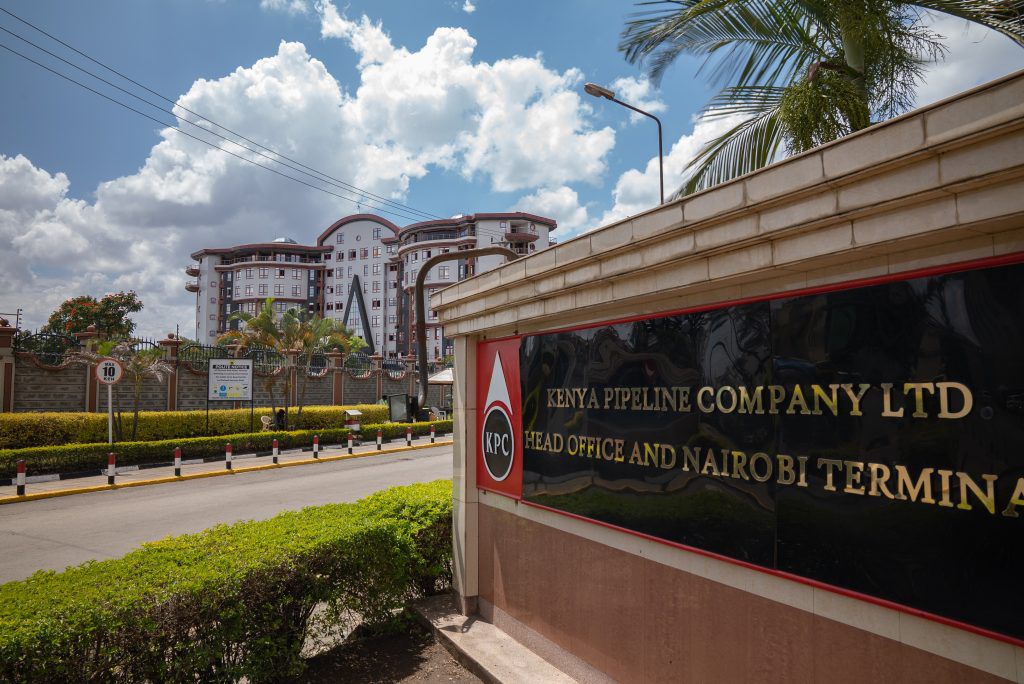
By: ThinkBusiness Africa The Kenyan government officially launched the sale of a 65% stake in the state-owned Kenya Pipeline Company (KPC) on Monday, marking the largest initial public offering (IPO) in East African history. The landmark move seeks to raise 106.3 billion shillings ($825 million), signaling a major shift in President William Ruto’s economic strategy to privatize state assets and revive the nation’s capital markets. The offering, priced at 9.00 shillings per share, will run until February 19, 2026. If successful, the listing on the Nairobi Securities Exchange (NSE) on March 9 will shatter the previous record held by the 2008 Safaricom IPO, which raised 50 billion shillings. Investors can apply for shares via a digital portal or mobile money platforms, with a minimum investment of just 100 shares (900 shillings). “We have made this process accessible to every Kenyan,” President Ruto stated during the launch ceremony at the NSE. “For as little as 900 shillings, a citizen can own a piece of our nation’s strategic infrastructure and share in its profits.” To balance local ownership with regional integration and institutional stability, the 11.8 billion shares have been categorized into six distinct pools: The high allocation for East African Community (EAC) investors reflects the strategic importance of KPC, which manages a 1,342 km pipeline network supplying fuel to Uganda, Rwanda, Burundi, and the Democratic Republic of Congo. The launch of the Kenya Pipeline Company (KPC) IPO is more than just a capital markets event; it is a critical component of Kenya’s ongoing negotiations with the International Monetary Fund (IMF). As the government seeks a new $3.6 billion funding program following the expiration of its previous arrangement, the KPC sale serves as a high-stakes demonstration of “fiscal consolidation.” Privatization is a key condition for Kenya to maintain access to concessional lending. By offloading a 65% stake in a profitable asset like KPC, the government is fulfilling IMF-backed structural reforms aimed at reducing the state’s footprint in the economy. The proceeds are earmarked for the 2025/26 national budget, with the Treasury planning to funnel the funds into: funding for road construction and port modernization; and reducing the government’s reliance on external borrowing as debt servicing costs consume nearly 70% of revenue. However, the path to the IPO has not been without friction. Earlier this month, activist and Busia Senator Okiya Omtatah filed a constitutional petition to block the sale, citing concerns over national security and energy sovereignty. While the court has yet to issue an injunction, the legal challenge remains a shadow over the month-long subscription period. The government remains the majority shareholder with a 35% stake, ensuring it retains a seat at the table of what remains one of Kenya’s most profitable enterprises—reporting a profit before tax of 10 billion shillings in the 2024/2025 fiscal year.
IMF upgrades Nigeria’s 2026 growth forecast to 4.4% as reform gains take hold
By: Chidozie Nwali The International Monetary Fund (IMF) on Monday officially revised its 2026 Gross Domestic Product (GDP) growth projection for Africa’s most populous nation upward to 4.4% from 4.2%. The updated forecast, released in the IMF’s 2026 World Economic Outlook update, marks a significant departure from the sluggish growth rates seen over the last decade. This latest IMF revision aligns with the World Bank and the Central Bank of Nigeria (CBN), both of which recently issued similarly optimistic forecasts ranging from 4.4% to 4.5%. IMF analysts attribute the upgrade to a “synergy of aggressive domestic reforms and a stabilizing global environment.” According to the report, three primary pillars are supporting this accelerated growth: If realized, a 4.4% growth rate would be Nigeria’s strongest economic performance since 2014. For comparison, the global economy is projected to grow at a slower pace of 3.3% in 2026. This puts Nigeria in the “high-performer” bracket for Sub-Saharan Africa, trailing only behind the regional average of 4.6%. The Fund projected a 1.4% GDP growth for South Africa, Africa’s largest economy. Despite the 4.4% GDP expansion, inflation is still projected to hover around 22% in early 2026. The IMF’s upgrade signals a “developmental inflection point” for Nigeria. With the economy expected to reach a nominal GDP of approximately $334 billion by the end of 2026, Nigeria is on track to reclaim its position among Africa’s top three (South Africa, Egypt) largest economies.
Libya Secures Landmark $2.7 Billion Investment for Misurata Port Expansion
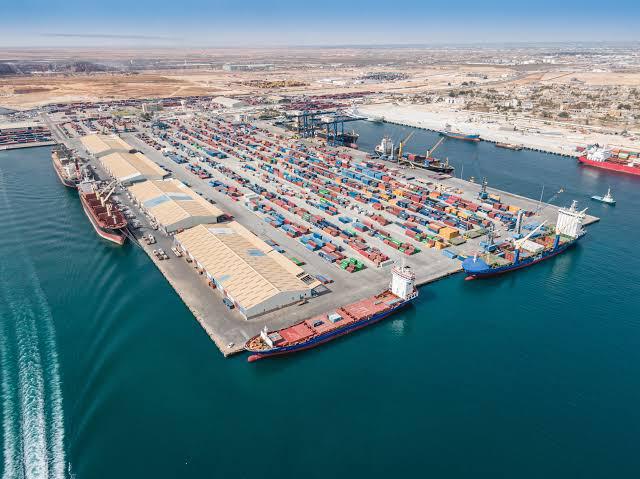
By: Chidozie Nwali In a major move to pivot its economy away from decades of oil dependence, the Libyan Government signed a historic $2.7 billion strategic partnership on Sunday, aimed at transforming the Misurata Free Zone (MFZ) into a premier Mediterranean logistics hub. The agreement marks one of the largest foreign direct investment (FDI) projects in Libya’s history, notably structured to be funded entirely by international capital without adding any burden to the Libyan state budget. Terminal Investment Limited (TIL), a subsidiary of the Swiss-Italian shipping giant MSC, the world’s largest container shipping line; and Maha Capital Partners, a Doha-based investment fund specializing in strategic infrastructure and long-term capital oversight, are key players in the project. “This partnership reflects Misurata’s determination to build modern, internationally competitive infrastructure that can unlock new industries, support local employment, and strengthen Libya’s position within regional and global supply chains,” said Muhsin Sigutri, the free zone’s chairman. Projections for the project indicate a significant economic windfall, with the expanded free zone expected to generate between $500 million and $600 million in annual operating revenue. Beyond the financial returns, the expansion is set to be a massive engine for employment, creating 8,400 direct jobs and an estimated 60,000 indirect roles across the logistics, transport, and service sectors. From a logistical standpoint, the modernization will dramatically increase the terminal’s capacity, allowing it to handle up to 4 million containers annually, positioning Misurata as a dominant player in the Western Mediterranean shipping corridors. The Libyan economy currently relies on oil for more than 95% of its output. By modernizing the Misurata port—which already handles approximately 60% of the country’s non-oil trade—the government hopes to create a viable “North-South” trade axis connecting European markets with the African interior. The project will involve upgrading the existing 190-hectare zone with state-of-the-art port technology, deepened berths for larger vessels, and expanded storage facilities. “This project not only enhances Libya’s position among the region’s largest ports but also reflects our commitment to transforming state assets into platforms for sustainable returns,” Prime Minister Dbeibah stated on X The signing ceremony was more than a commercial event; it served as a signal of returning confidence in the Libyan market despite ongoing political divisions. The presence of top Qatari and Italian officials underscores the geopolitical importance of Misurata as a stable commercial anchor in North Africa.
From Dialogue to Deals: How Nigeria is Converting Reform Credibility into Investment
By: ThinkBusiness Africa As the World Economic Forum (WEF) Annual Meetings commence on Monday, under the theme “The Spirit of Dialogue,” Nigeria has arrived with a strategic shift in its global narrative. Moving beyond general economic promotion, the Nigerian delegation, led by Vice President Kashim Shettima and Finance Minister Wale Edun, is focused on a singular mission: converting long-standing discussions into hard investment commitments. For the past two years, Nigeria has initiated a wide range of investment talks spanning energy, infrastructure, technology, and agriculture. At Davos 2026, The Minister of Finance will be engaging with global investors to kickstart their investment in the country. According to Ogho Okiti, Special Adviser to the Minister, the engagement with global investors involves a practical question: “What specific actions, policy assurances, or frameworks are required to bring your investment in Nigeria to financial close?”. He said. This “problem-solving” approach aims to unlock delayed capital and accelerate the execution of projects that have remained in the pipeline. By focusing on the final hurdles to financial closure, Nigeria intends to prove that its reforms are not just theoretical, but are functional tools for private-sector-led growth. Last November, S&P Global Rating Agency revised Nigeria’s sovereign credit outlook from ‘stable’ to ‘positive’, citing “broad-based structural indicators starting to improve”. S&P said “The monetary, economic, and fiscal reforms being implemented by Nigerian authorities will yield positive benefits over the medium term,” the Agency noted. Africa’s most populous country GDP growth for 2025 is expected to exceed 4%, with projections for 2026 reaching approximately 4.3%, and surpassing global growth of 3.1%. Nigeria’s proactive stance comes at a critical time. The global economy is currently defined by rising protectionism, tightening capital flows to emerging markets, and increasing debt burdens. In this environment, Nigeria is positioning itself as a “stability anchor” for Africa.
Nigeria Breaks Starlink Monopoly: Amazon, BeetleSat, and Satelio Granted 7-Year Satellite Permits

By: Chidozie Nwali In a landmark move for Africa’s largest telecommunications market, the Nigerian Communications Commission (NCC) has officially granted seven-year landing permits to three international satellite operators: Amazon’s Project Kuiper (rebranded as Amazon LEO), Israel’s BeetleSat (NSLComm), and Germany’s Satelio IoT Services. The decision, finalized this week, marks a strategic pivot by the Nigerian government to foster a more competitive space-based broadband market, directly challenging the near-monopoly previously enjoyed by Elon Musk’s Starlink. The licenses authorize these “Space Segment” operators to beam signals over Nigerian territory until February 2033, focusing on diverse sectors from consumer high-speed internet to industrial IoT (Internet of Things). Since its arrival in early 2023, Starlink has become Nigeria’s second-largest Internet Service Provider (ISP), boasting over 66,000 subscribers by mid-2025. However, as the network faced congestion and waitlists in major cities like Lagos, the NCC moved to diversify the market. Amazon LEO, expected to begin commercial operations in Nigeria by late February 2026, is positioned as the primary rival. Unlike Starlink, Amazon plans to leverage its Amazon Web Services (AWS) integration, offering bundled cloud and connectivity packages for Nigerian corporations and government agencies. “This approval aligns with global best practices and reflects Nigeria’s commitment to opening its satellite market to next-generation providers,” the NCC stated. While Starlink has recently adjusted its prices due to currency fluctuations, the entry of Amazon is expected to spark a price war in 2026. Amazon’s permit includes the use of 100 MHz channels, which experts suggest will allow them to offer competitive “mass-adoption” pricing for their customer terminals. BeetleSat and Satelio are currently finalizing partnerships with local “Ground Segment” operators to manage last-mile delivery to Nigerian homes and businesses.
Insufficient: Job creation in Sub-Saharan Africa hit 14.6M in 2025
By: ThinkBusiness Africa While Sub-Saharan Africa successfully generated 14.6 million jobs in 2025, the achievement was labeled “insufficient” by the International Labour Organization (ILO), as 15.4 million people were employed, leaving a deficit of 800,000 jobs. In its latest World Employment and Social Outlook: Trends 2026 report, the ILO warns that the primary challenge is not just the quantity of roles, but a staggering deficit in quality, leaving millions of new workers trapped in precarious, low-paying labor. The report highlights that the 14.6 million jobs created were largely concentrated in the informal sector, which lacks stability and social protections. The resulting “jobs gap”—the disparity between those seeking employment and the availability of decent work—continues to expand. According to the report, Sub-Saharan Africa now accounts for the world’s largest and fastest demographic shift. With 15.4 million new employees and only 14.6 million jobs added, the region saw an immediate net increase in the number of unemployed or underemployed individuals. Approximately 90% of employment in the region remains informal. Most of the 14.6 million roles created in 2025 consist of subsistence farming, street vending, or micro-trading. “Sustained population growth in sub-Saharan Africa underscores the urgent need to create productive employment and decent jobs for new labour market entrants,” the report noted. Currently, only 24% of new workers land formal, wage-paying roles. Consequently, over 60% of the regional workforce continues to live in “working poverty,” earning less than $4.20 per day. A significant barrier to more robust job creation is a persistent “skills gap.” While the youth population is booming, the education systems have not yet pivoted toward high-growth sectors like digital services, green energy, or advanced manufacturing. According to the report, nearly 28% of youth in low-income African countries are Not in Education, Employment, or Training (NEET). Only a minority of the 15.4 million new entrants have completed secondary education, making them ineligible for the formal roles that drive middle-class growth. “21 of African youth aged 15 to 29 have never attended school or have completed only pre-primary education, while only 46% have completed primary or lower secondary education as their highest level of educational attainment,” the report stated To move beyond “insufficient” job creation, the ILO and World Bank are urging regional governments to prioritize structural economic shifts. The report suggests that to stabilize the labor market by 2030, the region must: The 14.6 million jobs created in 2025 were largely concentrated in low-productivity sectors. In contrast to high-income countries where Artificial Intelligence (AI) is the primary threat to employment, Africa’s challenge remains structural. Youth unemployment globally climbed to 12.4% in 2025. In Africa, the situation is more acute, with roughly 28% of youth Not in Education, Employment, or Training (NEET). Despite the current shortfall, the World Economic Forum reports that global employers are increasingly looking to Sub-Saharan Africa as a future “talent hotspot.” By 2030, the region is expected to provide half of all new global labor force entrants.
Nigeria’s headline Inflation rises 15.15% in December, ending eighth months disinflation trend
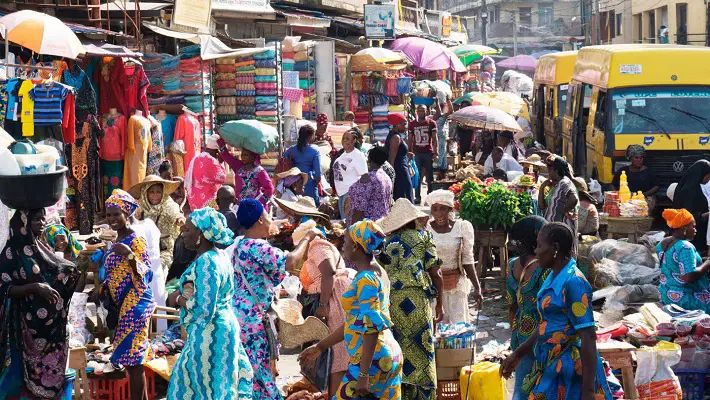
By: ThinkBusiness Africa Nigeria’s impressive streak of cooling prices hit a seasonal speed bump last month as headline inflation rose to 15.15% for December 2025. The data, released Thursday by the National Bureau of Statistics (NBS), brings an end to eight consecutive months of decline, a period that saw inflation crash from near-record highs. The December figure represents a 0.70% increase from the 14.45% recorded in November. While the uptick marks a break in the downward momentum, economists were quick to note that the rise was largely expected due to the “December holiday effect.” The primary driver behind the reversal was the surge in consumer demand typically associated with the year-end festivities. This seasonal pressure was most evident in food prices and transportation costs. After months of relief fueled by a strong harvest season, food inflation climbed to an estimated 12.10% in December, up from 11.08% in November. Increased spending on staples, “Detty December” social events, and holiday travel across the country combined to put the first upward pressure on the Consumer Price Index (CPI) since the first quarter of the year. Despite the break in the disinflation trend, the 15.15% close is being viewed as a significant policy victory. In early 2025, inflation sat at a staggering 34.80%, and the government set an ambitious target to reach 15% by year-end. The final figure also successfully avoided a much-feared “statistical explosion.” Following the rebasing of the CPI earlier in 2025, analysts had warned that a “base effect” could have mathematically forced the December reading above 30%. However, through a process of “normalization” and re-referencing, the NBS were able to ensure the data reflected actual market dynamics. core inflation—which excludes the often-volatile prices of energy and agricultural produce—showed more stability. It moderated slightly to 17.85% in December, down from 18.04% in November. This steady decline in core figures suggests that the long-term monetary policies and currency stability achieved throughout the year continue to act as a effective anchor for the economy. While the eight-month disinflation trend has technically ended, the overall trajectory of the Nigerian economy remains significantly more stable than it was 12 months ago. The Central Bank of Nigeria (CBN) is expected to maintain its current stance as it monitors whether this December uptick is a one-off holiday spike or a sign of renewed pressure. With the Naira ending the year with a 7.5% gain and domestic fuel prices softening thanks to increased local refining capacity from the Dangote refinery; most analysts project that the downward trend will likely resume in January 2026.
Nigeria will not retreat from economic reforms, says finance minister
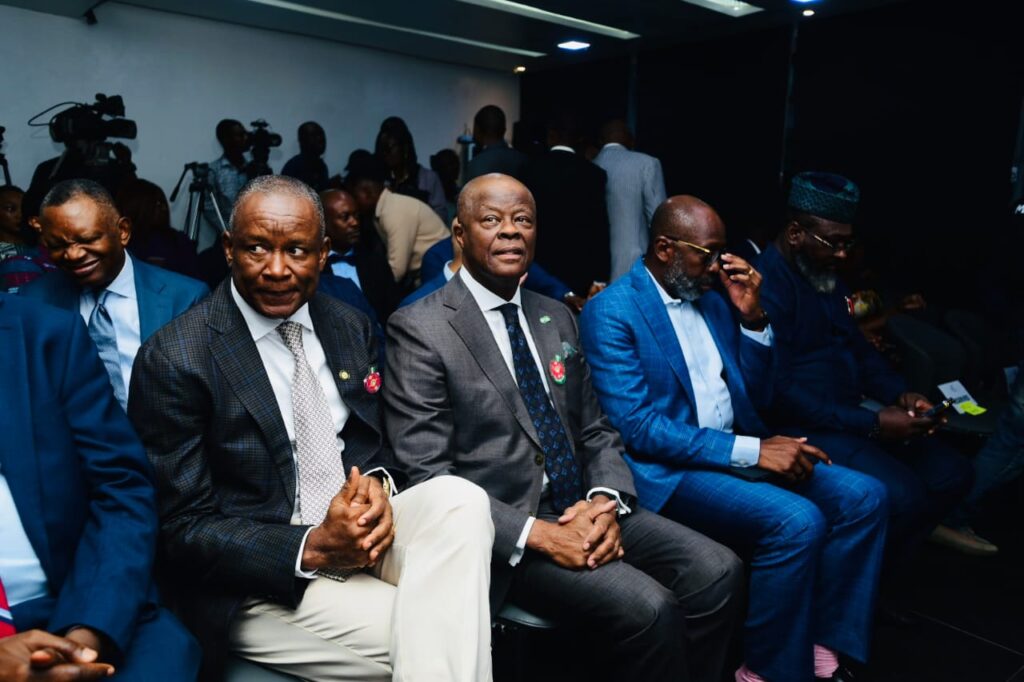
By: ThinkBusiness Africa The Nigerian Federal Government has formally declared an end to the “acute phase” of Nigeria’s economic crisis, signaling a decisive shift from stabilization to a period of consolidation. Speaking at the launch of the Nigerian Economic Summit Group (NESG) 2026 Macroeconomic Outlook Report in Lagos on Thursday, the Minister of Finance and Coordinating Minister of the Economy, Mr. Wale Edun, in his keynote address asserted that the nation has reached a critical turning point. “Nigeria cannot afford to pause or retreat,” Edun told an audience of business leaders. “After two years of difficult but necessary reforms, we have moved from stabilization to the threshold of consolidation. Success now depends on whether we can translate these gains into sustained growth, productive jobs, and improved living standards.” He said. The Minister noted the reforms embarked by the government has brought economic recovery, following a turbulent 2024. He pointed the administration’s 2025 performance indicators suggest a stabilizing ship: On Monday, The World Bank upgraded its outlook for Nigeria, projecting a 4.4% GDP growth, up from 3.7% earlier June 2025 forecast, reflecting confidence in the ongoing structural reforms and a stabilizing macroeconomic environment. Addressing public concerns over Nigeria’s rising debt profile, Edun provided a transparent breakdown of the N152 trillion public debt figure. He clarified that the surge was not a result of “reckless borrowing” but rather a move toward fiscal transparency and accounting accuracy. He said N30 trillion reflects previously unrecorded “Ways and Means” advances from the Central Bank that have now been formally recognized on the books. Nearly N49 trillion of the increase is attributed to the revaluation of existing foreign debt following FX reforms. Due to the reforms, the Naira depreciated against the U.S. Despite the high nominal figure, Nigeria’s debt-to-GDP ratio has declined to 36.1%, which remains among the lowest in Africa and well below global averages of 50%-70%. Looking ahead, the Minister detailed the framework for the 2026 fiscal year, anchored by President Bola Tinubu’s N58.18 trillion “Budget of Consolidation, Renewed Resilience, and Shared Prosperity.” A standout feature of the 2026 plan is the massive N26 trillion allocation for capital spending—representing 44% of the total budget. This marks one of the largest infrastructure-focused spending plans in the nation’s history, aimed at addressing the bottlenecks in electricity, roads, and housing. The NESG report, themed “Consolidating Economic Stabilisation Gains: Pathway to Sustainable Growth,” echoes the Minister’s sentiment but adds a cautionary note. While the “acute crisis” may be over, the group warns that the next 18 months represent a critical window to prevent policy reversal.
No new VAT on bank charges, Nigeria Revenue Service debunks tax rumors
By: ThinkBusiness Africa The Nigeria Revenue Service (NRS) said in a statement on Thursday, that the newly Nigerian Tax Act didn’t introduce Value Added taxes (VAT), citing VAT deductions as longstanding practice. The statement was made amid growing public concern regarding a supposed recent legislation imposed fresh VAT obligations on customers’ bank fees, commissions, or electronic money transfers. The NRS—which recently succeeded the Federal Inland Revenue Service (FIRS) following the 2025 tax reforms—noted that “misleading narratives” have been circulating in the media. These reports suggested that the newly enacted Nigeria Tax Act was responsible for a hike in transaction costs. “This claim is categorically incorrect,” the Service stated. “VAT has always applied to fees, commissions, and charges for services rendered by banks and other financial institutions under Nigeria’s long-established VAT regime.” VAT on financial services is not a new development but a continuation of a policy that has been in place for years. In Nigeria 7.5% is being paid as VAT. The clarification comes at a sensitive time as Nigeria transitions into a new fiscal era. The Nigeria Tax Act of 2025 was designed to simplify the tax code and consolidate various laws. While the reform has introduced significant changes—such as zero-rating VAT for essential goods like food and healthcare—it has also sparked technical questions regarding electronic transfer levies and bank deductions. Earlier this week, reports of “double stamp duty” charges led to a joint investigation by the NRS and the Central Bank of Nigeria (CBN). Today’s statement appears aimed at ensuring that standard VAT deductions are not confused with any new or erroneous levies.
Trade ministry confirms 98% tariff waiver for Kenyan goods to China
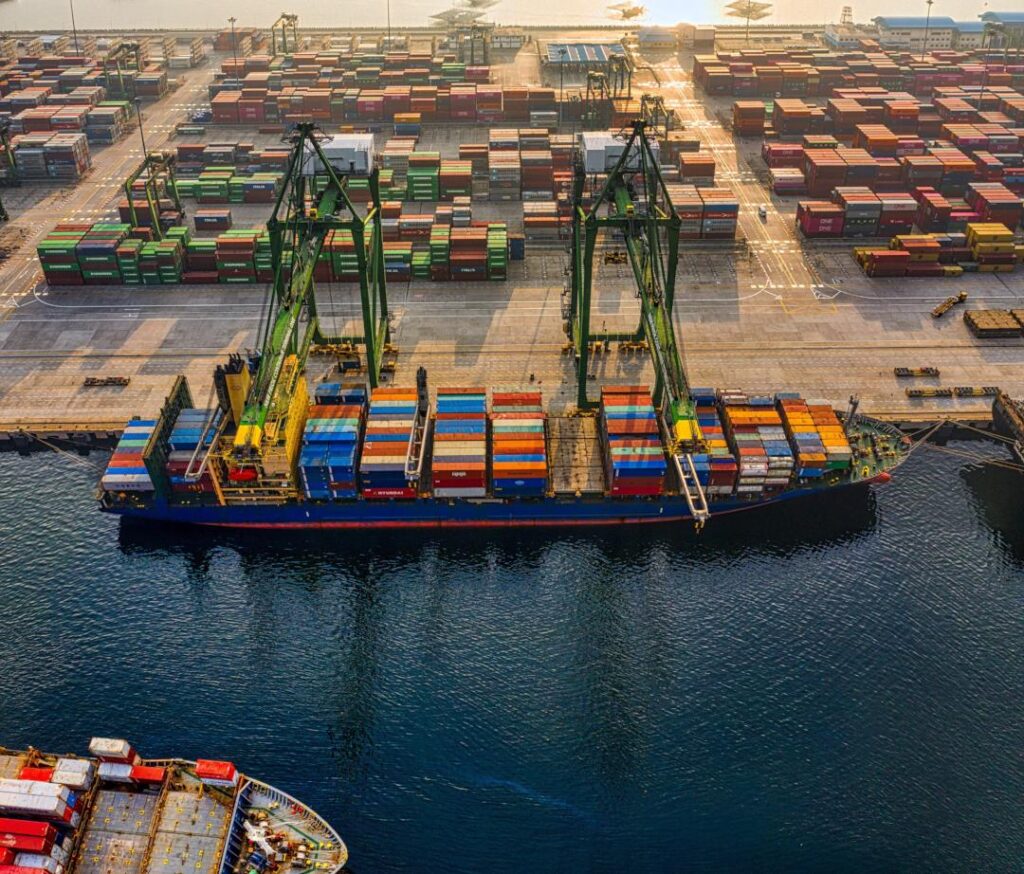
By: ThinkBusiness Africa Kenya has reached an “early harvest” landmark trade agreement with China, granting 98.2% of its exports duty-free access to the Chinese market. The announcement, made on Thursday by the Ministry of Investments, Trade, and Industry, signals Nairobi’s determination to narrow a massive trade deficit despite intense diplomatic pressure from Washington. The deal comes at a critical juncture for Kenya, which is currently navigating a high-stakes balancing act between its two largest economic partners: China, its primary creditor, and the United States, its traditional security ally. For months, Kenya had been at a disadvantage compared to its East African neighbors. In late 2024, Beijing granted 100% duty-free access to all African Least Developed Countries (LDCs). Because Kenya is classified as a “developing nation,” it was initially excluded from this blanket waiver. The deal is expected to be a windfall for Kenya’s agricultural sector, which forms the backbone of the economy. By removing tariffs on nearly all goods, the agreement specifically targets: The Ministry estimates that the expanded market access will not only boost foreign exchange earnings but also create thousands of jobs in manufacturing and processing as exporters scale up to meet Chinese phytosanitary standards. However, the timing is particularly sensitive. The African Growth and Opportunity Act (AGOA), which provides Kenya duty-free access to the U.S. market, expired in late 2025. On Tuesday, the U.S. House recently voted to extend it for three years, Kenyan apparel exporters—who ship over $600 million annually to the U.S.—are currently facing tariffs as high as 28% during the transition. “We see no tension between concluding a market access arrangement with China and our robust push for AGOA re-authorization and a separate trade agreement with the United States,” stated Korir Sing’oei, Foreign Affairs Principal Secretary. While the “early harvest” provides immediate tariff relief, the two nations are moving toward a comprehensive bilateral trade deal. Technical teams from both sides are scheduled to meet later this month to operationalize the framework and finalize the remaining 1.8% of tariff lines.