
The latest IMF World Economic Outlook (April 2026) has unveiled a striking divergence in how the continent’s economies are expanding. While the global economic landscape remains cautious, Africa is carving out two distinct paths to prosperity.
On one side, the “East African Tigers” are leveraging infrastructure and services; on the other, the “West African Miners” are riding a massive commodity super-cycle. Together, these 10 nations are projected to be the engine room of the continent’s 4.1% regional growth in 2026.
The Leaderboard: Africa’s Top 10 Growth Prospects (2026)
| Rank | Country | 2026 Projection | Economic Bloc |
| 1 | Ethiopia | 9.2% | East African Tiger |
| 2 | Guinea | 8.7% | West African Miner |
| 3 | Uganda | 7.5% | East African Tiger |
| 4 | Rwanda | 7.2% | East African Tiger |
| 5 | Benin | 7.0% | West African Divergent |
| 6 | Niger | 6.7% | West African Miner |
| 7 | Cote d’Ivoire | 6.2% | West African Divergent |
| 8 | DR Congo | 5.9% | Central African Miner |
| 9 | Tanzania | 5.9% | East African Tiger |
| 10 | Mali | 5.5% | West African Miner |
Source: IMF
The East African Tigers: Diversification and Connectivity
The “Tiger” economies (Ethiopia, Uganda, Rwanda, and Tanzania) are characterized by aggressive state-led infrastructure spending and a shift toward services and light manufacturing.
- Ethiopia (9.2%): Reclaiming its spot as Africa’s fastest-growing economy, Ethiopia’s growth is fueled by a massive push in industrial parks and energy exports.
- Uganda (7.5%) & Rwanda (7.2%): Uganda is benefiting from the “first oil” effect as its pipeline projects mature, while Rwanda continues to punch above its weight through high-value tourism and its ambition to become a regional tech hub.
The West African Miners: The Critical Mineral Boom
In West and Central Africa, the story is dominated by the global transition to green energy and the insatiable demand for critical minerals.
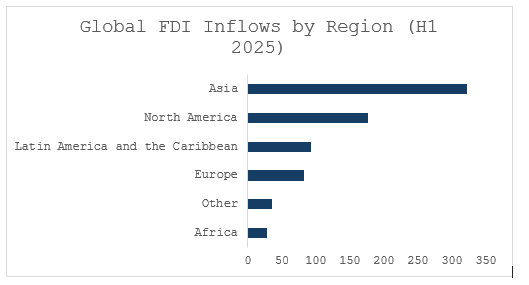
- Guinea (8.7%): The “Simandou Effect” is in full swing. As one of the world’s largest iron ore and bauxite deposits comes online, Guinea is seeing unprecedented levels of Foreign Direct Investment (FDI).
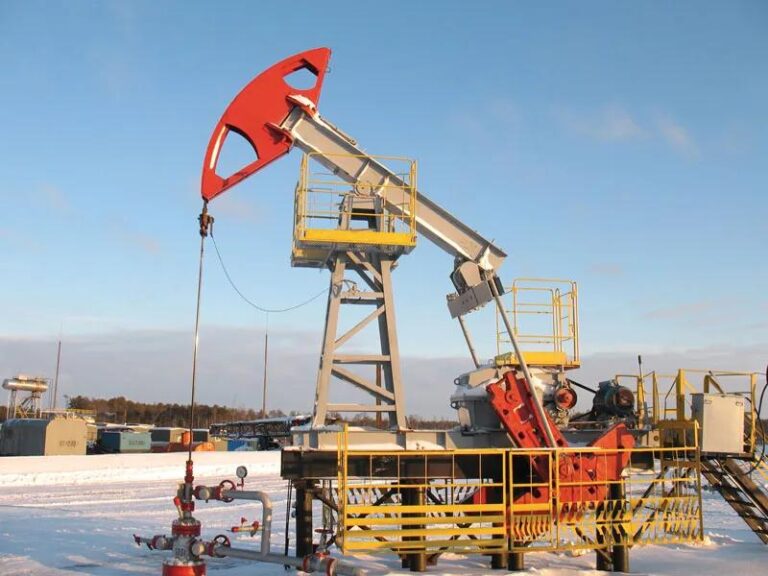
- DR Congo (5.9%) & Niger (6.7%): The DRC remains the global pivot for the electric vehicle (EV) revolution due to its cobalt and copper reserves. Meanwhile, Niger is seeing a surge as it optimizes its oil export capacity via new regional pipelines.
The “Divergents”: Benin and Côte d’Ivoire
Not all West African success is tied to mining. Benin (7.0%) and Côte d’Ivoire (6.2%) are proving that agricultural processing and industrial zones can yield high dividends. By moving from exporting raw cocoa and cotton to semi-finished goods, these nations are shielding themselves from the volatile “boom and bust” cycles of raw commodities.
The Outlook for the “Big Three”
While the Top 10 list is dominated by mid-sized economies, Africa’s heavyweights (Nigeria, South Africa, and Kenya) provide regional stability.
- Nigeria (4.1%): Showing resilience as its real estate and financial sectors stabilize following a period of intense currency reform.
- Kenya (4.5%): Steady and reliable, Kenya continues to act as the financial gateway for the East African Tigers.
- South Africa (1.0%): Continues to struggle with structural bottlenecks, but remains the most sophisticated financial market on the continent.
The 2026 IMF data makes one thing clear: the African growth story is no longer a monolith. Whether it’s industrial ambition or mineral wealth the continent is diversifying its way toward a more resilient future.