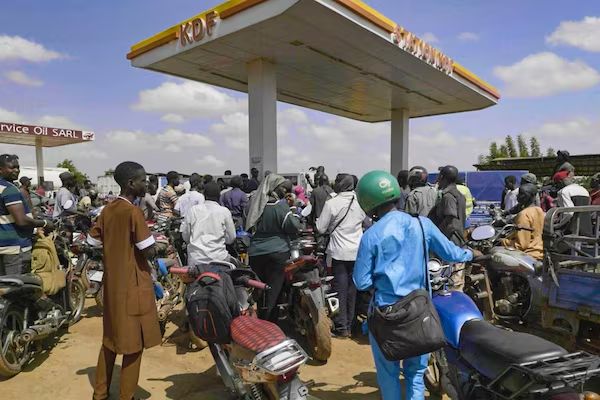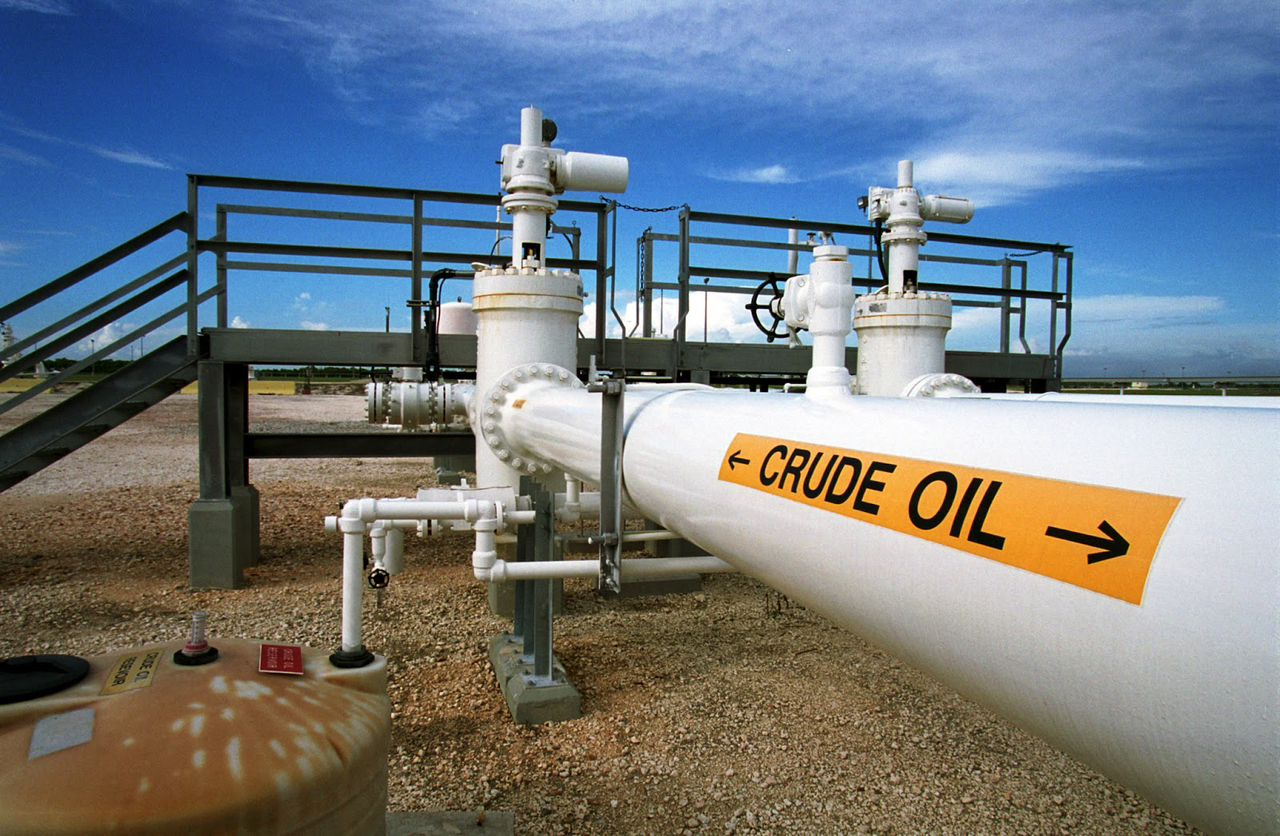
LAGOS — Global oil prices remained highly volatile on Monday as the market balanced an escalating military “war of nerves” over Middle Eastern energy facilities against a surprise U.S. decision to release millions of barrels of sanctioned Iranian crude.
Market Reaction and Pricing
Brent crude futures hovered near $112.90 per barrel in early Monday trading, maintaining a three-week rally that has seen the global benchmark surge more than 50% since the onset of the U.S.-Israeli conflict with Iran. Concurrently, U.S. West Texas Intermediate (WTI) traded near $99.00, reflecting a widening spread as geopolitical risks continue to disproportionately affect Atlantic Basin and Asian supplies.
Escalating Threats to Infrastructure
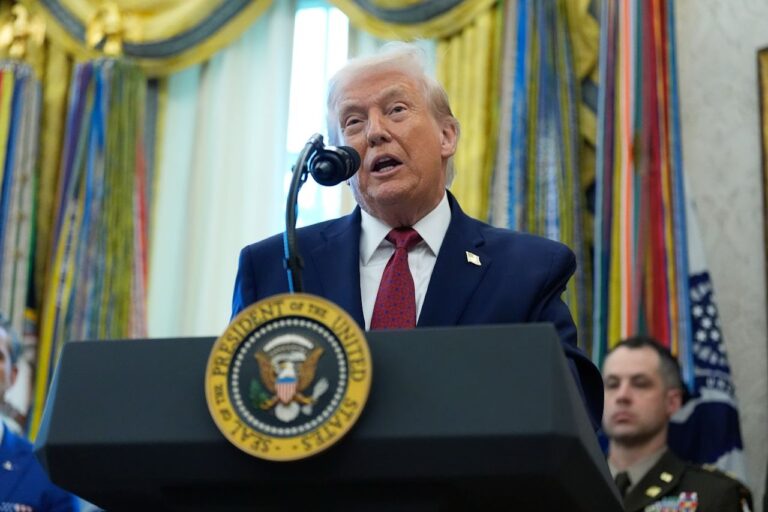
The price floor is being held firm by a 48-hour ultimatum issued over the weekend by U.S. President Donald Trump, who warned that major Iranian power plants would be “obliterated” if the Strait of Hormuz—a chokepoint for 20% of global oil—is not fully reopened to shipping by late Monday.
In a sharp escalation of rhetoric, Iran’s Parliament Speaker Mohammad Baqer Qalibaf responded in a post on X that any strike on Iranian domestic energy assets would lead to the “irreversible destruction” of oil, gas, and desalination infrastructure across the Middle East. This follows a string of recent attacks on major facilities, including the South Pars gas field and Qatar’s Ras Laffan LNG complex.
The “Iranian Barrels” Strategy
Seeking to cap record-high fuel prices ahead of the U.S. midterm elections, the Treasury Department issued a 30-day sanctions waiver on March 20. Known as General License U, the waiver allows for the sale and delivery of approximately 140 million barrels of Iranian oil currently “stranded at sea” on tankers.
U.S. Treasury Secretary Scott Bessent described the move as a tactical maneuver to “use Iranian barrels against Tehran” to stabilize the market. The waiver is strictly limited to oil loaded before March 20 and does not permit new production, serving as a finite supply bridge rather than a long-term solution to the energy crisis.
Outlook: A Historic Supply Shock
The International Energy Agency (IEA) has labeled the current disruption the “greatest global energy security challenge in history,” noting that the 11 million barrels per day currently removed from the market exceeds the shocks of the 1970s.
Analysts at Goldman Sachs have already revised their 2026 Brent forecast upward to $85 per barrel, warning that if the 48-hour window for the Strait’s reopening closes without a diplomatic breakthrough, prices could test the $120 mark by week’s end.