By: ThinkBusiness Africa
Kenya’s annual headline inflation rate slowed to 4.3% in February, down from 4.4% in January, according to the latest data released by the Kenya National Bureau of Statistics (KNBS) on Friday.
The slight cooling in the cost of living remains well within the government’s preferred target range of 2.5% to 7.5%, providing a sigh of relief for policymakers and the Central Bank of Kenya (CBK).
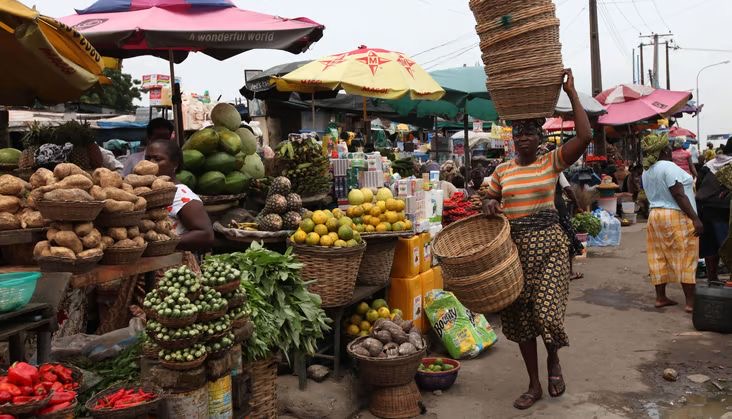
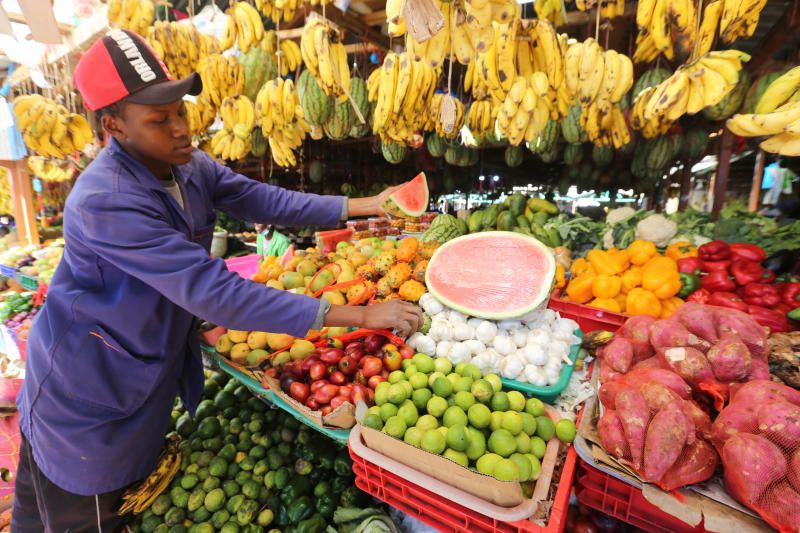
Despite the overall drop, the “Food and Non-Alcoholic Beverages” category continues to be the primary driver of price increases. While some commodity prices stabilized, the annual food inflation rate remains a point of focus for households across the country.
According to KNBS data Food & Beverages prices rose by approximately 7.1% year-on-year, as transportation costs remain elevated compared to last year, influenced by fluctuations in global oil prices and the performance of the Kenyan Shilling.
The February data marks a continued trend of stability after the Central Bank’s recent efforts to anchor inflation expectations. Earlier this month, the Monetary Policy Committee (MPC) maintained an optimistic stance, and decided to lower the Central Bank Rate (CBR) by 25 basis points, bringing it down from 9.00% to 8.75%.
For the average Kenyan, the “slight” drop may not be immediately felt at the checkout counter. While the pace of price increases has slowed, the absolute cost of essential goods like maize flour, sugar, and cooking oil remains higher than in previous years.
Analysts suggest that if the Shilling continues to hold steady against the US Dollar, the country could see further easing of imported inflation in the coming months.