By: ThinkBusiness Africa
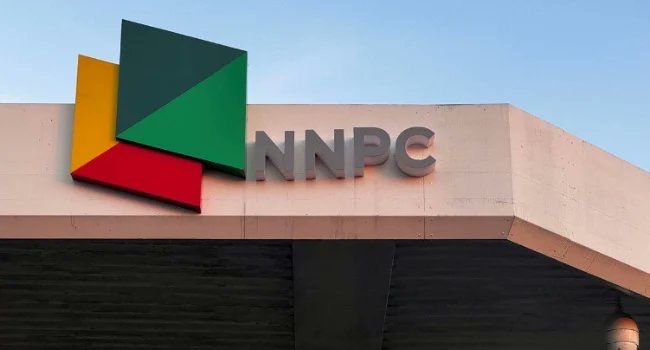
LAGOS, Nigeria — In a move described as a “fiscal reset” for Africa’s largest oil producer, President Bola Tinubu has signed an Executive, stripping the Nigerian National Petroleum Company Limited (NNPC) of its power to retain multi-billion naira deductions from oil and gas revenues.
The order, officially gazetted this Wednesday, mandates that all government entitlements from the petroleum sector be paid directly into the Federation Account, bypassing the NNPC’s internal accounts for the first time in decades.
The presidency revealed that the current framework under the Petroleum Industry Act (PIA) of 2021 allowed the NNPC to divert more than two-thirds of potential revenue through what it called “duplicative and unjustified” retention.
The NNPC is no longer entitled to the 30% management fee on Profit Oil and Profit Gas from Production Sharing Contracts (PSCs). The government noted that the company’s existing 20% profit retention for working capital is already sufficient.
The 30% deduction previously earmarked for exploration in inland basins has been abolished. These funds must now be transferred directly to the Federation Account to fund national priorities like security and health.
By invoking Section 44(3) of the 1999 Constitution, the President is asserting that all mineral resources belong to the Federation, not a single corporate entity.
“For too long, excessive deductions and structural distortions have weakened remittances to the Federation Account,” stated president Tinubu. “This order restores the constitutional entitlements of federal, state, and local governments.” He said.
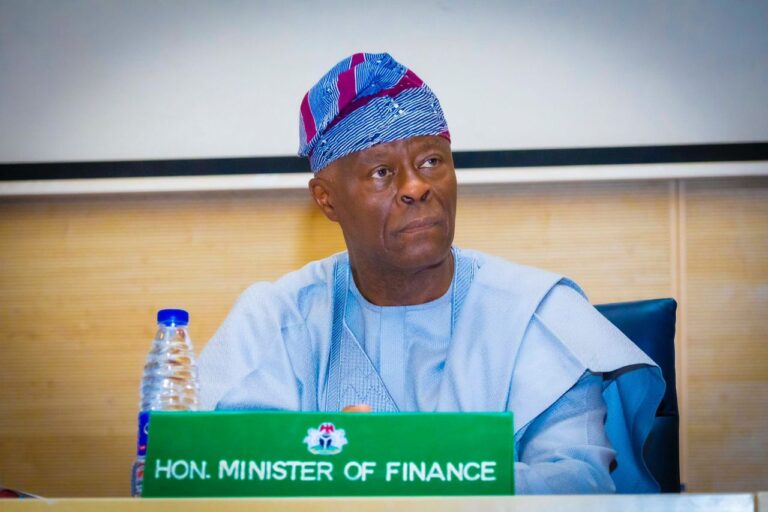
To ensure the directive is not met with institutional resistance, President Tinubu has established a high-level Implementation Committee. Led by the Minister of Finance and Coordinating Minister of the Economy, the committee includes the Attorney-General and the Director-General of the Budget Office.
Market analysts suggest this move will significantly boost the monthly allocations shared by the Federation Account Allocation Committee (FAAC), providing much-needed liquidity to cash-strapped state governments.
However, the reform also signals a fundamental shift for NNPC Limited, forcing it to operate strictly as a commercial enterprise rather than a quasi-government agency with independent spending power.