

LAGOS — Nigeria is seeking increased international support and lower borrowing costs to cushion its economy from a “major external shock” caused by the escalating US-Israel-Iran conflict, the country’s finance ministry said on Monday.
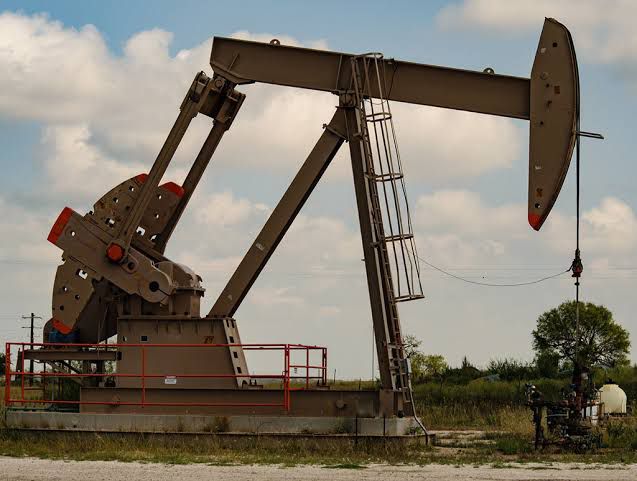
The geopolitical crisis has sent crude oil prices soaring by as much as 50%, with Nigeria’s Bonny Light grade jumping to over $110 a barrel. However, Finance Minister Wale Edun warned that the windfall in export revenue is being offset by a surge in domestic energy costs and a potential retreat of foreign capital.
“Nigeria is facing global economic shocks and domestic adjustments at the same time,” Edun said in a media brief ahead of the IMF/World Bank Spring Meetings. He noted that the government is balancing macroeconomic stability with the need to protect millions of citizens from inflation.
Energy Volatility and Inflation
The conflict, which has disrupted shipping through the Strait of Hormuz, has led to a sharp spike in domestic fuel prices, further straining a population already navigating major economic reforms.
- Petrol prices in Nigeria have climbed over 50%, moving from approximately N900 to as high as N1,330 per litre.
- Diesel prices surged by 70%, peaking at N1,550 per litre.
- The government warned that rising international freight and logistics costs would likely translate into higher import prices and increased pressure on domestic inflation.
Debt and Transition Support
As Chair of the G24, representing developing nations, Edun plans to use the Washington meetings to advocate for “fairer global financial conditions”. Nigeria is specifically calling for a lower cost of capital and additional financial measures to support economies undertaking simultaneous reforms and crisis management.
“This is how reforms can translate to improvement in the welfare of Nigerians,” Edun said, emphasizing the need for continued backing from the IMF, World Bank, and private investors.
Stabilization Measures
Despite the external headwinds, the ministry highlighted a “strengthened position” compared to previous shocks like the COVID-19 pandemic.
Increasing crude oil production to 1.86 million barrels per day (mbpd) to maximize fiscal revenue.
Nigeria’s delegation is scheduled to hold bilateral talks with ratings agencies, including Fitch and Moody’s, as well as senior leadership from the World Bank and IMF, throughout the week.