

Ebola Surge Crosses 9,000 Mark, DRC Struggles to Contain Epidemic Hotspots
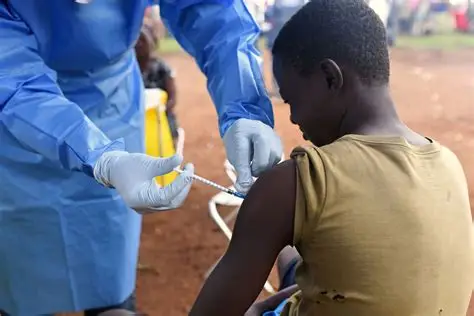
The Democratic Republic of Congo’s confirmed Ebola caseload has breached 9,000 amid mounting operational hurdles. Public health responders face severe challenges slowing active transmission across multiple urban and rural infection hotspots. Fresh government data released Tuesday confirms the cumulative toll has surged past this grim threshold. The Ministry of Public Health attributes the acceleration to community resistance, security constraints, and logistical delays in eastern provinces. This epidemic driven primarily by the Bundibugyo strain now ranks as the largest in the nation’s history. It officially surpasses the severe 2018–2020 Kivu outbreak in both cumulative velocity and total fatalities. Economic pressures compound the crisis across eastern trade corridors, affecting cross-border commerce with neighboring Uganda and Rwanda. Regional markets report supply chain slowdowns as heightened sanitary checkpoints restrict movement. Public health agencies and commercial stakeholders worry about fiscal ripple effects. Agricultural output and small-scale trade in North Kivu and Ituri face immediate disruptions from containment protocols. International partners have pledged emergency funding to support localized quarantine measures and scale up vaccination drives. However, financing gaps continue to hamper comprehensive contact tracing in remote districts. Unless the Outbreak is swiftly contained, Central Africa faces prolonged instability, threatening broader macroeconomic forecasts for the sub-region.
France Boosts Health Funding in DR Congo Amid Outbreak Resurgence Risks
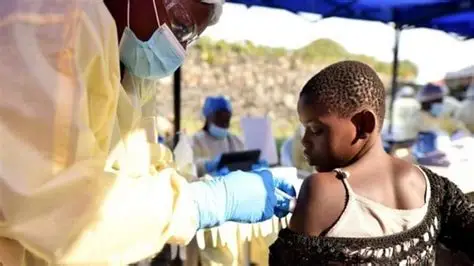
France will step up financial and humanitarian support to combat viral disease resurgences in the eastern Democratic Republic of Congo, aiming to prevent regional health crises from escalating. French Foreign Minister Jean-Noël Barrot announced the expanded backing on Saturday during a rare trip to Bunia, according to official diplomatic statements released from the field. Paris allocated €13.4 million ($15.1 million) between January and July for local disease control. Barrot confirmed he will propose additional humanitarian funding during upcoming French budget deliberations. The commitment reinforces France’s broader aid strategy in Central Africa, which operates through emergency funding, medical research partnerships, and the PRISM program launched during President Emmanuel Macron’s 2023 visit. The intervention comes as eastern Congo faces compounding biological threats. Officials in Bunia confirmed a laboratory-diagnosed case of mpox in mid-September, underscoring the region’s complex biosecurity challenges. Public health experts emphasize that sustained funding is critical for regional economic stability. Barrot warned that waning vigilance could allow viral pathogens to resurge rapidly across vital commerce zones. Global funding targets and long-term containment strategies will be finalized at a national humanitarian conference scheduled in Paris on October 6.
DRC Ebola Outbreak Surpasses 8,000 Confirmed Cases
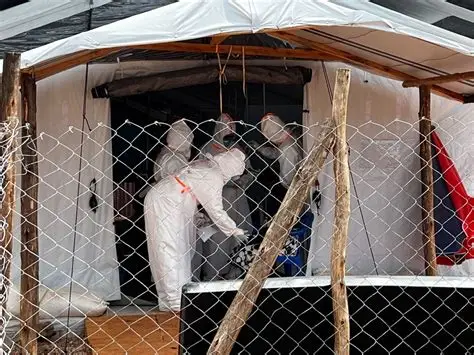
Confirmed Ebola cases in the Democratic Republic of Congo (DRC) have surpassed 8,000 for the first time, reaching a historic peak. Government data released on Monday confirmed that infections have hit 8,067 alongside 3,901 fatalities. The unprecedented epidemiological milestone underscores a worsening public health emergency across seven provinces. Health authorities attribute the acceleration to persistent regional insecurity and severe logistical hurdles hampering containment. The crisis is driven by the Bundibugyo virus strain, complicating traditional response mechanisms. International health agencies are ramping up urgent vaccine trials and funding to curb further transmission.
US Pledges $267 Million Boost to Contain Central Africa Ebola Crisis
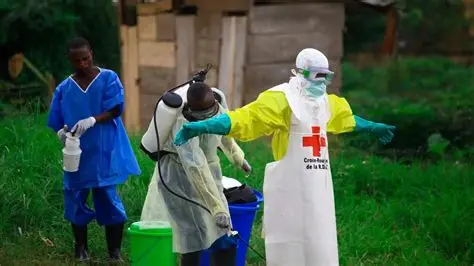
The US State Department has announced an extra $267 million to fight the expanding Ebola epidemic in central Africa. Senior agency officials revealed the funding on Wednesday during the UN General Assembly, aiming to close a wider $2 billion international funding gap. This latest injection elevates total US financial commitments for the regional emergency to $886 million. The capital directly targets the Democratic Republic of the Congo to construct medical facilities and procure diagnostics. First identified in May, this outbreak ranks as history’s second-deadliest, pressuring fragile public health systems.
DRC Ebola Outbreak Hits Historic 5,000 Cases as Response Failures Escalated Death Toll
The Democratic Republic of Congo’s 17th Ebola outbreak has breached 5,000 confirmed infections, official public health institute data showed late Tuesday, solidifying its status as the country’s worst epidemic on record. According to the latest situation report, confirmed cases reached 5,021, with total fatalities climbing to 2,378. The figures cement the outbreak as the second-deadliest recorded globally, behind only West Africa’s 2014–2016 crisis. Containment efforts are failing rapidly across six affected provinces, led by Ituri. Africa CDC officials warned the virus is claiming one life every 30 minutes, cautioning that unchecked spread could make it the deadliest global outbreak ever. The current epidemic is driven by the rare Bundibugyo ebolavirus strain. Unlike the more common Zaire strain, no commercially approved vaccines or targeted antiviral therapeutics exist for Bundibugyo, significantly crippling early intervention strategies. Though human clinical trials for candidate treatments and vaccines recently commenced in field hospitals, emergency response personnel face severe operational friction from deep-seated regional insecurity, community resistance, and strikes over unpaid worker wages. Over 70 percent of fatalities are currently occurring in local communities rather than designated isolation units. Delayed patient admissions severely depress clinical survival rates while accelerating household and cross-border transmission risks.
DR Congo Ebola Outbreak Becomes Deadliest on Record as Toll Hits 2,325
The Democratic Republic of Congo’s (DRC) latest Ebola epidemic has officially become the deadliest in the country’s history, surging past previous records to claim 2,325 lives. Official epidemiological data released Sunday by the DRC National Institute of Public Health shows confirmed cases reached 4,945 following 101 new infections within 24 hours, confirming an accelerating transmission rate across eastern provinces. The current death toll officially surpasses the 2,299 casualties recorded during the country’s 2018–2020 outbreak. Globally, this iteration now ranks second only to the 2014–2016 West African epidemic. Unlike prior outbreaks driven by the Zaire strain, this crisis involves the rare Bundibugyo species of the Ebola virus. Consequently, response teams face severe operational bottlenecks due to the absence of approved vaccines or targeted therapeutics. Compounding the crisis, the case fatality rate has climbed steadily from 20% in June to approximately 47%. Public health experts attribute this spike to delayed case detection and community-level fatalities rather than viral mutation. The United Nations has warned that the epidemic is killing one person every 30 minutes, releasing $30.5 million in emergency funds as six of DRC’s 26 provinces now combat active transmission. Despite brief cross-border spillover into Uganda, where local health authorities successfully contained transmission, the DRC’s fragile medical infrastructure and persistent regional instability continue to hamper containment efforts.
Congo Ebola Crisis Escalates as Death Toll Surpasses 2,000
The Democratic Republic of Congo’s (DRC) deadliest Ebola crisis has surpassed 2,000 deaths, marking the fastest-spreading outbreak on record as health authorities struggle to contain transmission across five eastern provinces. According to official figures released Tuesday by the Congolese public health ministry, confirmed cases have reached 4,381 with 2,011 deaths. Over 700 patients remain hospitalized in isolation units. The epidemic has accelerated at an unprecedented rate. While recording the initial 1,000 deaths required nine weeks, the casualty count doubled to 2,000 in just three weeks. Unlike previous epidemics driven by the Zaire strain, this outbreak is caused by the rare Bundibugyo Ebola virus. No licensed vaccines or specific therapeutic treatments currently exist for this specific strain. The World Health Organization confirmed the virus began circulating undetected in Ituri province as early as February 2026, months before the government officially declared an emergency in May. Containment operations face severe operational headwinds, including ongoing armed conflict in eastern Congo, healthcare worker strikes over unpaid wages, and significant cross-border population mobility. It now stands as the second-largest Ebola outbreak in history, trailing only the West Africa epidemic of 2014–2016, which claimed more than 11,000 lives.
DR Congo Ebola Outbreak Surges to 3,200 Cases as Death Toll Hits 1,405
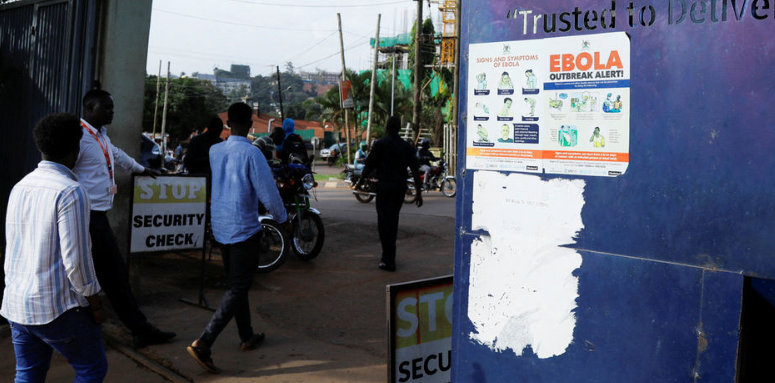
Confirmed Ebola cases in the Democratic Republic of Congo have climbed to 3,200, with total deaths reaching 1,405, official government figures released Sunday show, making it the fastest-spreading outbreak on record. Data from the National Institute of Public Health reveals infections surged by roughly 1,000 in ten days. Over a single 24-hour period, health authorities reported 125 new cases and 51 fatalities. Nearly 90% of cases remain concentrated in northeastern Ituri province. However, transmission has now reached five provinces, driven by intense cross-border movement, active insecurity, and local trade networks. The 17th national outbreak, declared May 15, stems from the Bundibugyo virus strain. Unlike the Zaire strain, Bundibugyo lacks commercially approved vaccines or licensed therapeutics, hindering response operations. Containment efforts face severe operational friction. Strikes by health workers demanding unpaid wages, physical attacks on treatment facilities, and logistically isolated terrain continue to hamper surveillance and patient care. The crisis is poised to become the second-largest Ebola epidemic in history. In response, researchers are fast-tracking clinical trials, including Oxford University launching early human trials for a candidate vaccine.
Canada Enacts Emergency Travel Ban On Foreigners From Congo Over Ebola Outbreak
The Canadian government will deny entry to any foreign national who has visited the Democratic Republic of the Congo within the past 21 days. The new temporary border restrictions aim to combat the spread of Ebola. The emergency measure takes effect on Monday, according to the Public Health Agency of Canada. An interim order under the Aeronautics Act now requires air carriers to bar affected travelers from boarding. Exemptions apply to Canadian citizens, permanent residents, and individuals registered under the Indian Act. However, these exempted travelers must undergo rigorous health screenings upon arrival and strictly quarantine for 21 days. Health officials stated the restrictions are precautionary, maintaining that the current risk to Canadians remains low. Failure to comply with the order carries fines up to $150,000 for individuals. The policy aligns Canada with recent border closures enacted by the United States and Mexico. It marks a significant escalation from May regulations that only mandated isolation for incoming travelers. The restriction defies World Health Organization guidelines, which warn against trade and travel bans. The UN agency argues such measures create counterproductive stigma and disrupt essential international humanitarian aid. The ban responds to a surging Ebola crisis in eastern Congo, now the third-largest outbreak on record. Health data shows cases doubling every 21 days, surpassing 2,100 infections and 800 deaths. Epidemiologists express concern as over 80 percent of recent Congolese cases were detected outside known contact lists. These emergency border measures and matching immigration document suspensions are slated to run until August 29.
Silent Urban Spread Triggers History’s Fastest-Moving Ebola Outbreak in Congo
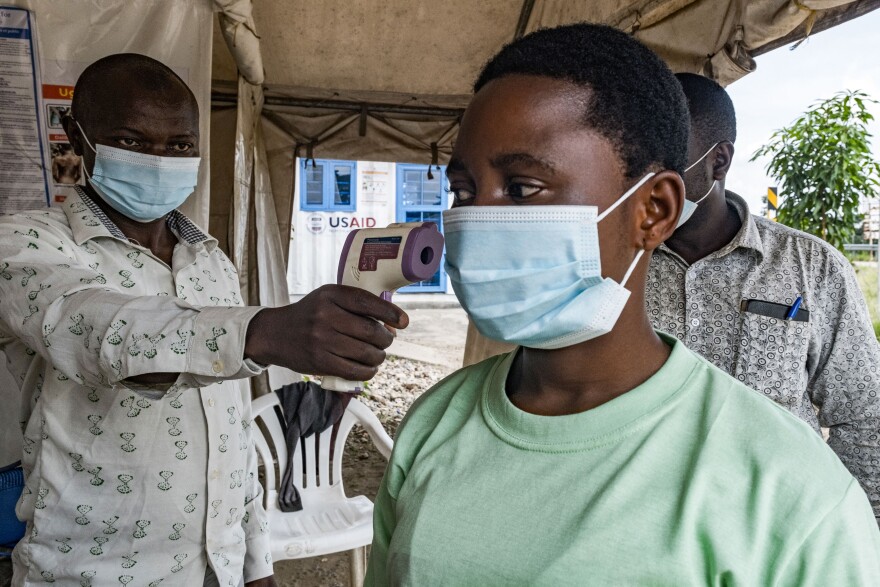
LAGOS – A rapid surge into dense urban hubs has given the Democratic Republic of Congo’s (DRC) latest Ebola outbreak the highest number of confirmed first-month cases in African history. The World Health Organization (WHO) reported Tuesday that the virus has infected 1,048 people and caused 267 deaths since the outbreak was officially declared on May 15. Officials blamed the unprecedented transmission speed on late detection. The virus circulated silently for months before infiltrating high-density cities like Bunia and the mining hub of Mongbwalu. The crisis took just 37 days to reach 250 fatalities. In contrast, the devastating 2014 West Africa epidemic required 78 days to hit the same grim milestone. Adding to the containment challenge, the current crisis is driven by the rare Bundibugyo strain. Health responders currently have no approved vaccine or specific medical treatments to combat it. The outbreak is heavily impacting vulnerable populations. At least 25 confirmed cases and 14 deaths have already been recorded across three overcrowded displacement camps in conflict-affected eastern Congo. In response, international teams have scaled up laboratory capacity from 30 daily tests to over 2,000, while rapidly expanding isolation bed capacity to 500 across 19 regional health zones.