
Billionaire Otedola Buys N43B shares in First HoldCo, Consolidates Bank Control

Billionaire investor Femi Otedola has tightened his control of First HoldCo Plc, acquiring additional shares worth N43.1 billion in a massive off-market transaction on the Nigerian Exchange on Wednesday, May 13, 2026. The acquisition involved approximately 546 million units at an average price of N79 per share, significantly increasing Otedola’s direct and indirect holdings in the financial services group to nearly 20%. Consequently, Olufemi Otedola’s stake in First HoldCo Plc has climbed from 8,055,314,486 units reported in 2025 audited accounts to 8,604,850,139 following the latest acquisition. First HoldCo plc is the parent company of First Bank Nigeria, a commercial bank with branches across Africa. Market data confirms the trade accounted for over 85 percent of the day’s total turnover on the NGX. This move reinforces Otedola’s position as the group’s largest individual shareholder following his 2023 chairmanship Otedola’s recent accumulation follows a similar N18.9 billion purchase in early 2026. This trend highlights a growing consolidation of ownership among Nigeria’s Tier-1 banks as regulatory pressures reshape the domestic financial landscape. In July 2025, two key stakeholders including a former chairman of First bank sold off their significant shares and exited the company in July 2025 after a series of boardroom disputes, thereby increasing Otedola’s influence in the company. First Bank had suffered a significant setback in 2025 fiscal year, forcing Otedola to admit that the company lost 92% of its 2025 profit to bad loans, which were only discovered in the 4th quarter of 2025. First HoldCo’s stock reacted positively to the news, gaining 3.5% to close at N81.80.
99% OPEC Target: Nigeria oil revenue hits $2.87b as Production increases
LAGOS — Nigeria generated N3.94 trillion ($2.87 billion) in excess oil revenue this April, driven by a rare combination of rebounding production and a geopolitical price spike. According to data released on Tuesday by the Nigerian Upstream Petroleum Regulatory Commission (NUPRC) crude production rose to 1,488,540 barrels per day (bpd), reaching 99.2% of Nigeria’s 1.5 million bpd OPEC quota. Total liquids output, including condensates, hit 1,663,413 bpd. The revenue windfall was largely fueled by global Brent prices averaging $127 per barrel following the U.S.-Iran crisis. This significantly exceeded the $64.85 price peg in the 2026 national budget. Analysts estimate the daily revenue surplus at N131.42 billion ($95.7 million). Over the 30 days of April, this provided a critical fiscal buffer for a government managing high debt-servicing costs. The Upstream Regulator attributed the output growth to efficiency gains at the Bonga offshore terminal and the introduction of the new Cawthorne export grade. “This implies that Nigeria met 99.2% of its 1.5mbpd OPEC quota of crude oil.The figure also represents a 7.58% increase when compared to the month of March.The peak production in April was 1.85mbpd while the lowest production for the month was 1.46mbpd.” NUPRC said in a post on X (Twitter). While production is the highest in 2026, it still lags behind the 1.8 million bpd national budget target. This volume gap remains a key concern for long-term fiscal stability. However, crude oil supply to domestic refineries also improved in the first quarter of 2026, with the 650,000 bpd Dangote Refinery receiving 10 Cargoes (double of its monthly 5 cargoes supply) in March. Meanwhile, high global crude costs have simultaneously pushed local petrol prices to N1,400 per litre. The combined two-month windfall for March and April has now reached N5.13 trillion ($3.74 billion). Observers say sustaining production above 1.6 million bpd is essential to capitalize on the current price rally
Ex-IMF Economist Lamido Yuguda Assumes Role as Nigeria Central Bank Deputy Governor
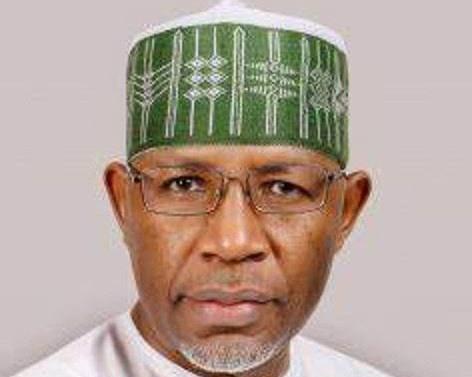
LAGOS — Nigeria Central bank announces the assumption of Lamido Yuguda as new CBN deputy governor, effective on Monday. The move signals a push for greater technical depth within the apex bank’s executive leadership team. Yuguda, a former IMF economist, transitions from his recent role as Director-General of the Securities and Exchange Commission. He replaces Bala Bello, who recently moved to the Presidency as a political economy advisor. The appointment follows Yuguda’s confirmation by the Nigerian Senate on April 29, 2026. Lawmakers fast-tracked his clearance, citing his thirty-year career at the bank where he previously managed external reserve portfolios.
How Nigeria’s New Refinery Partnership deal Will Redraw the African Energy Market
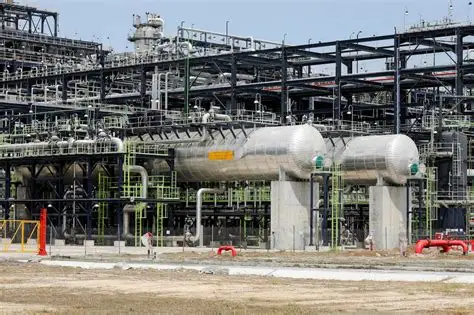
For many years, West Africa has been trapped in a circular trade: exporting high-quality crude oil to Europe only to buy it back as expensive, refined gasoline. This dependency has drained foreign exchange reserves and left the region vulnerable to global price shocks. However, the recent technical equity partnership between Nigerian National Petroleum Company Limited (NNPCL) and Chinese firms Sanjiang Chemical and Xinganchen Industrial Park is an opportunity to break this cycle, creating a massive refining corridor in Nigeria that will likely alter energy flows across the continent. Dangote monopoly The most immediate impact is the end of the single-source era. While the Dangote Refinery reached full capacity in early 2026, its position as Nigeria’s sole gasoline provider —though currently supporting the economy measurably—has created a fragile market equilibrium. The March 2026 price hikes by Dangote, attributed to global crude volatility, underscored the risks of a private-sector monopoly. The phased return of the Port Harcourt Refinery, reaching 30% of its capacity —60,000 barrels per day (bpd)—in early 2026 and the expected restart of Warri and Kaduna by late 2027 introduce vital competition. Analyst noted that if the NNPCL deal with the Chinese technical management succeeds it’ll create: • Drive Down Ex-Depot Prices: Competition for market share among local refiners will likely force more aggressive pricing. • Stabilize the Naira: Domestic refining has already slashed Nigeria’s fuel import bill from $8.2 billion to $4.7 billion in just two years, providing a floor for the currency to recover. Nigeria as Africa’s “Gas Station” The newly signed Technical Equity Partnership targets the rehabilitation and restart of the Port Harcourt (210,000 bpd) and Warri (125,000 bpd) plants. These two together with the Dangote (650,000bpd) plant will increase Nigeria’s refining capacity to approximately 1million bpd by 2027. Meanwhile, the Dangote refinery plans expansion to 1.4 million bpd by 2028, making it the world’s largest single-train refinery, and potentially making Nigeria a net exporter of refined petroleum products. The ripples of this capacity surge will cross borders. Nigeria will no longer just solve its own fuel queues; it is positioning itself to be the energy hub for the ECOWAS region and beyond. Countries like South Africa, Ghana, and Senegal are already pivoting their procurement strategies toward Lagos. For West Africa, this means: • Shorter Supply Chains: Replacing a 20-day voyage from Europe with a 3-day transit from Lekki or Port Harcourt. • Regional Price Parity: As Nigeria exports its surplus, the “Nigeria Price” will become the benchmark for the African continent, potentially lowering energy costs for manufacturing across West Africa. The Modular Surge and Regional Competitors Nigeria isn’t alone in this race, though it is the undisputed leader. Smaller, agile modular refineries like Aradel (11,000 bpd), Edo refinery (6,000 bpd) and Waltersmith (10,000 bpd) are already in local diesel, petrochemical and kerosene markets, providing a shadow blueprint for decentralized energy security. Meanwhile, Ghana’s Tema Oil Refinery (TOR) and Senegal’s SAR refinery are watching closely. While Nigeria’s sheer scale threatens to overshadow these smaller national plants, the overall effect is a continent-wide shift toward self-sufficiency. Analyst expressed that If the NNPCL and its Chinese partners succeed in rehabilitating the Portharcourt and Warri plants, Africa will be moving away from being a mere exporter of raw materials to becoming a high-value industrial processor, fundamentally altering its trade balance with the rest of the world.
Nigeria’s Endless Refinery Repairs Continue After $5.3 Billion Spent in 27 Years
For nearly three decades, Nigeria’s state refineries have been less of an industrial asset and more of a financial sinkhole. Since 1999, successive administrations have poured over $5.3 billion into “Turnaround Maintenance” (TAM), yet the taps remain dry. The legacy of waste is staggering. Under the Obasanjo era, $800 million vanished with little impact. The Yar’Adua and Jonathan years saw another $1.6 billion committed, while the Buhari administration approved a massive $2.9 billion. Despite these injections, the Port Harcourt refinery—declared operational in late 2024—shuttered again within six months. This history of failure is currently under the microscope of the Economic and Financial Crimes Commission (EFCC). The agency is probing an alleged $7.2 billion fraud linked to these failed rehabilitations. High-ranking former officials, including ex-Group CEO Mele Kyari, former Chief Financial Officer Umar Ajiya Isa, and past refinery MDs like Ahmed Adamu Dikko and Ibrahim Onoja, have faced questioning over the disbursement of funds that produced no fuel. Current NNPC GCEO, Bashir Bayo Ojulari, is now attempting to pivot away from this culture of contractor-led waste. On April 30th, The NNPC signed a Memorandum of Understanding with Chinese giants Sanjiang Chemical Company and Xinganchen Industrial Park to introduce a Technical Equity Partnership. Unlike the old “fix-and-fail” contracts, this model requires the Chinese partners to hold equity. Their profits are tied to actual production, not just showing up for repairs. By transferring operational risk to private hands, Ojulari hopes to transform the NNPC from a “refinery racket” into a commercial entity. For a nation that has spent 27 years importing its own prosperity at a high cost to the Naira, this shift is more than a policy change—it is a desperate attempt to plug a multi-billion dollar drainpipe that has bled the treasury for a long time. However, recent assessments of the MoU shows both Chinese companies lack the capacity to revive a refinery, as their past records shows they’ve never actually rehabilitated any crude oil refinery—such as the Warri, portharcourt refinery. The first partner in the MoU, Sanjiang Chemical Company limited, is a privately owned manufacturer in the chemical sector, with core expertise in downstream petrochemical derivatives rather than upstream crude oil refining. Conversely, Xingcheng industrial park and management co. Ltd, operates as a real estate and facility management firm; with no records in petroleum engineering or crude oil refining. Whether the flares at Port Harcourt and Warri will finally stay lit remains the ultimate test of this new strategy.
Nigeria’s Cement Giant Rebrands to HBM After $1B Sale and CEO Terrorism Conviction
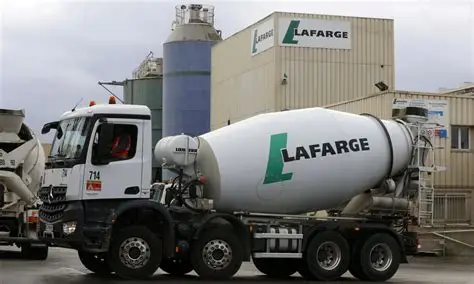
Africa Cement producer, Lafarge Africa PLC has officially rebranded as HBM Nigeria PLC following shareholder approval on Tuesday, marking the end of the iconic “Lafarge” name in the Nigerian market. The change to HBM Nigeria, short for Huaxin Building Materials, aligns the subsidiary with its new owner, China’s Huaxin Cement Co. Ltd, following its massive $1 billion takeover. The transition follows the 2025 exit of Swiss giant Holcim Group. The rebranding efforts come as the company seeks to distance itself from a global scandal involving former leadership. Last month, a French court sentenced former global CEO Bruno Lafont to six years in prison for financing terrorism. The court discovered €5.6 million were paid to armed groups (ISIS) between 2013 and 2014 to keep Lafarge Syrian plants running. The court also fined the firm $1.2 million. While the Nigerian subsidiary was not directly involved in the Syrian activities, the brand damage prompted a swift corporate identity shift. Despite the legal turmoil in Europe, the Nigerian operations remain highly profitable. The company reported a record-breaking revenue of N1.1 trillion for the 2025 financial year. Net profits surged by 173% to N273 billion, demonstrating that local demand for construction materials remains insulated from the parent company’s legal battles and executive sentencing. The new entity, HBM Nigeria, will continue trading on the Nigerian Exchange. Management stated the “clean slate” allows the company to focus on aggressive expansion across West Africa.
Nigeria Rules Out Fuel Subsidy Return Amid Global Energy Crisis
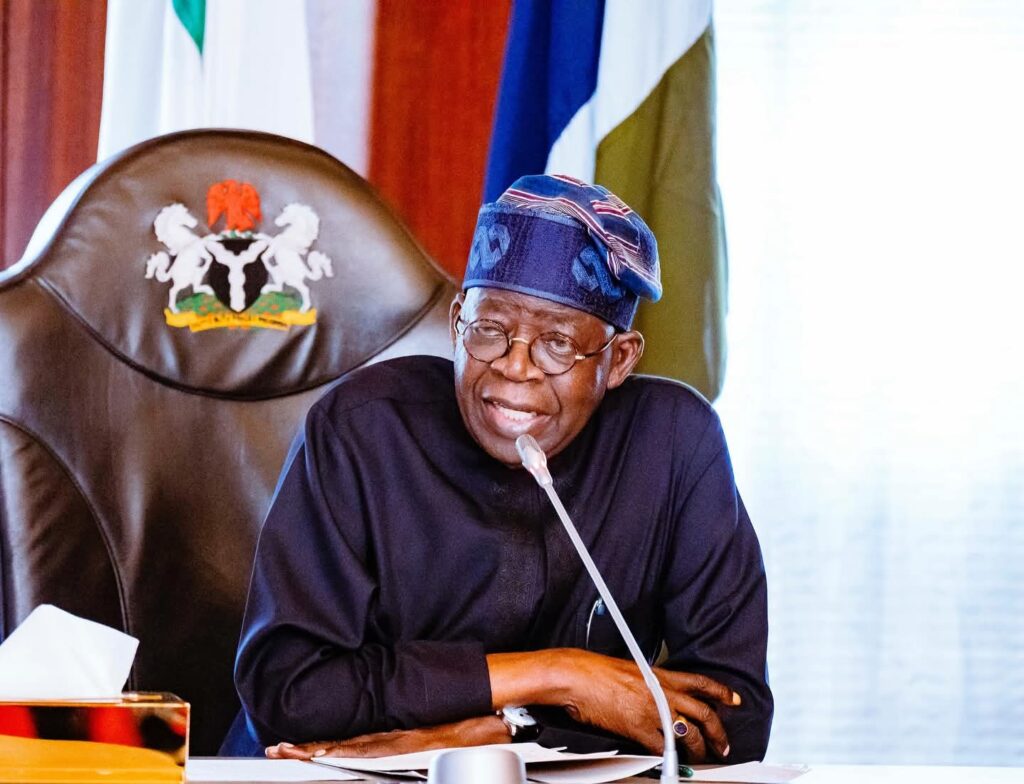
LAGOS – Nigeria says it’s not returning to fuel subsidy regime amid global fuel price hike caused by disruptions in Middle East. Finance Minister Taiwo Oyedele told investors in Paris on Tuesday that the government will not reinstate subsidies. He noted that subsidies create “economic distortions”. The decision follows global oil prices surging past $115 per barrel. Supply shocks from the 2026 Iran war have triggered massive volatility in energy markets. Oyedele stated that Nigeria will not introduce price controls. The administration maintains a strong belief in market-driven competition to regulate fuel costs. “We will not bring back fuel subsidy because it creates distortions for the economy, and we won’t introduce price control because we believe in the market… the situation in Iran presents new opportunities for us as the world looks to diversify sources of energy and invest in new markets.” Oyedele said in an X (Twitter) post. The Minister highlighted a reported 11.2% GDP growth rate in 2025. This performance reinforces the country’s ambition to reach a $1 trillion economy by 2030. President Bola Tinubu joined the meetings to emphasize fiscal discipline. He noted that removing the “burden” of subsidies has stabilized foreign exchange. The International Energy Agency recently called the current Middle East crisis the “greatest energy security challenge in history”. This conflict has significantly spiked global diesel and petrol prices. Nigeria’s inflation rate hit a 19-year high following the initial subsidy removal in 2023. Despite cost-of-living concerns, the government remains committed to its current reform path. Recent data shows the Nigerian economy was valued at approximately $252 billion in 2025. Analysts suggest achieving the $1 trillion target requires consistent, high annual growth.
Nigeria Domestic Crude Supply Hits 28.5 Million Barrels in Q1 Amid Pricing Disputes
LAGOS — Nigeria offered 68.7 million barrels of crude oil to local refineries in the first quarter of 2026, though actual deliveries lagged significantly behind regulatory targets due to pricing disputes. The Nigerian Upstream Petroleum Regulatory Commission (NUPRC) reported on Tuesday that while producers exceeded the mandated 61.9 million barrel allocation, only 28.5 million barrels were successfully delivered to domestic refiners. This represents a supply conversion rate of roughly 41%, a shortfall the NUPRC attributed to the “willing buyer, willing seller” framework and persistent price gaps between producers and refiners. In January, producers offered 25.3 million barrels against a 22.6 million mandate, but only 9.2 million reached refineries. February saw a slight dip, with 9.1 million barrels actually delivered. March recorded a modest improvement as deliveries rose to 10.1 million barrels. This followed producers offering 23.6 million barrels, significantly exceeding the month’s 18.8 million barrel regulatory allocation. The data underscores ongoing friction within the Domestic Crude Supply Obligation (DCSO) framework, established under the Petroleum Industry Act (PIA) to ensure feedstock for massive projects like the Dangote Refinery which has become Nigeria’s primary petrol supplier. “The shortfall between volumes offered and actual deliveries has been attributed primarily to pricing gaps between producers and domestic refiners. The Commission emphasised that the current framework operates on a “willing buyer, willing seller” basis, which continues to shape transaction outcomes.” the regulator stated. Q1 2026 DCSO Performance Summary Metric January February March Total Q1 NUPRC Allocation 22.6M bbls 20.5M bbls 18.8M bbls 61.9M bbls Producer Offers 25.3M bbls 19.8M bbls 23.6M bbls 68.7M bbls Actual Supply 9.2M bbls 9.1M bbls 10.1M bbls 28.5M bbls Source: NUPRC In recent months, Nigerian refiners have complained that high prices and logistics have hindered access to local crude, forcing some to import cheaper grades from the United States and Brazil. The Dangote refinery has been importing U.S crude oil after several constraints in securing domestic supply. However, due to disruptions in the Middle East, Dangote refinery received double domestic allocations in March. ThinkBusiness Africa reported that the refinery received 10 cargoes in March, a significant jump from the previous average of five cargoes per month.
Limited Access to Finance, Power Deficits, and Insecurity Slows Nigeria’s Businesses in April
Limited access to finance, irregular power supply, persistent insecurity, and high rental costs constrained Nigeria business activities in April. These headwinds resulted in a fragile and uneven recovery, the Nigerian Economic Summit Group (NESG) said in a report on Tuesday. According to the NESG Business Confidence Monitor (BCM) May 2026 report, Current Business Performance Index rose slightly to 102.1 points from 101.2 in March. This marks the fourth consecutive month of expansion despite significant structural momentum loss. Agriculture and Non-Manufacturing sectors drove the marginal growth, rebounding from previous slumps. Agriculture reached 103.2 points, benefiting from festive demand, while Non-Manufacturing hit 101.6 points. Conversely, Manufacturing fell into contraction at 98.7 points. Key sub-sectors like Cement and Textile suffered as high operating costs and credit scarcity stifled new investments. Services momentum also weakened to 101.5 points. Notably, the Real Estate sub-sector moved into contraction for the first time in over a year, signaling emerging sector-wide vulnerability. Investment and export indices remain stuck in the contraction zone. Managers expressed cautious optimism for the next quarter, though Middle East geopolitical tensions threaten to spike energy costs. This data follows recent reports of Nigeria’s gross external reserves hitting $48 billion in February 2026. However, persistent inflation continues to challenge the Central Bank’s monetary policy effectiveness. “Meanwhile, business activities were largely constrained by limited access to finance, irregular power supply, persistent insecurity, and high rental costs during the month.” NESG noted in a report. The NESG Future Business Expectations Index stood at 128.6 points. Trade and Manufacturing show the strongest outlook, even as businesses grapple with infrastructure bottlenecks and high input prices.
Otedola Refutes Claims of Private Funding for Dangote Refinery
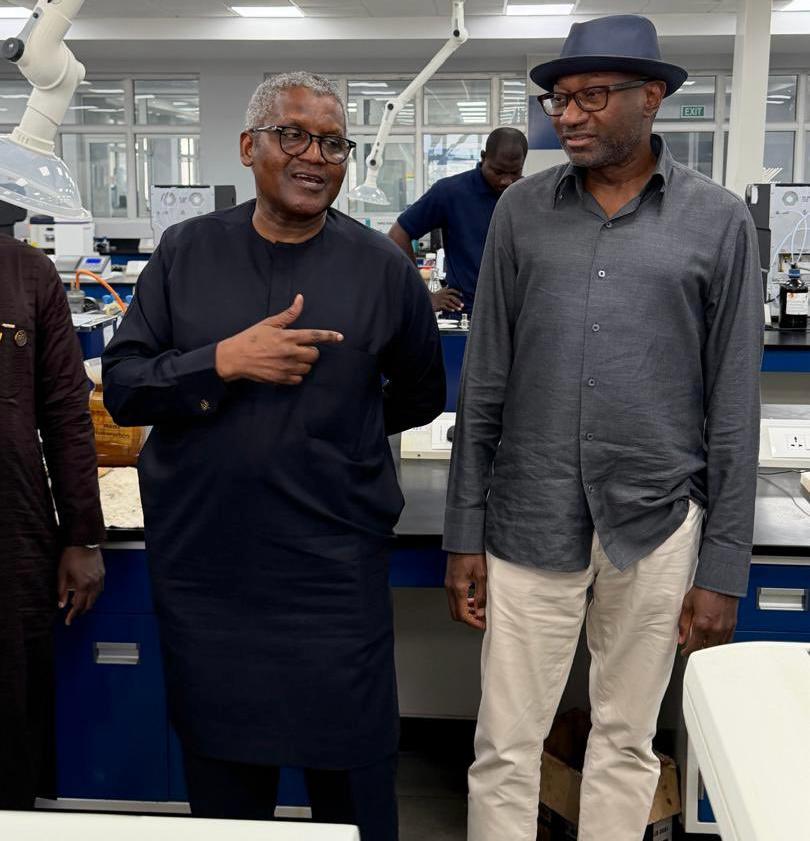
Billionaire Femi Otedola has dismissed viral reports claiming he privately funded the Dangote Petroleum Refinery, describing the allegations as “completely and utterly false” in a statement posted Monday on X his handle. The entrepreneur clarified he has “not invested a single kobo, not one dollar, not one naira” in the project, which is owned by Africa’s richest man, Aliko Dangote. Otedola emphasized that Dangote never sought financing from himself, Mike Adenuga, or Tony Elumelu, calling the rumors “calculated mischief” aimed at sowing discord among Nigeria’s private sector leadership. “The Dangote Group is a well-structured organisation that is well vast in raising structured capital for its operations,” Otedola stated, urging the public to ignore “social media fabrications”. Instead of private investment, Otedola revealed he is requesting a “special allocation” to participate in the refinery’s upcoming public offer, signaling his continued confidence in the massive industrial project. This clarification comes as the $20 billion facility reaches full operational capacity, with plans to float a $2 billion Pan-African Initial Public Offering (IPO) later in 2026. The proposed IPO will offer a 10% stake to public investors across regional exchanges, marking a significant milestone for Africa’s largest single-train refinery and the continent’s capital markets.