
Nigerian airlines threaten nationwide shutdown over 270% spike in Jet fuel prices

Domestic airlines in Nigeria have issued a final warning to suspend all flight operations effective Monday, April 20, 2026, citing a “crippling and artificial” surge in aviation fuel prices. The Airline Operators of Nigeria (AON) announced this in a notice to President Bola Tinubu. They claim the sector is no longer commercially viable under current market conditions. Fuel prices skyrocketed from ₦900 per liter in February to over ₦3,300 per liter by mid-April. This represents a massive 300% increase in less than two months. AON President Abdulmunaf Sarina called the hike “arbitrary.” He noted that while global crude prices rose 30%, local marketers increased jet fuel rates at ten times that speed. The group alleged marketers are “artificially inflating” prices. Fuel now accounts for over 40% of operational expenses, creating an existential threat to all domestic carriers. Financial strain already forced one airline to ground its fleet in March. Operators say they can no longer sustain flights without risking total business collapse or passenger safety. The Major Energies Marketers Association of Nigeria (MEMAN) denied price gouging. They instead blamed geopolitical supply chain disruptions for the sudden and steep rise in costs. AON maintains that without immediate government intervention to stabilize the market by April 20, the nation’s domestic airspace will face a total and indefinite shutdown.
Nigeria’s Inflation rate hits 15.38% in March amid rising consumer costs
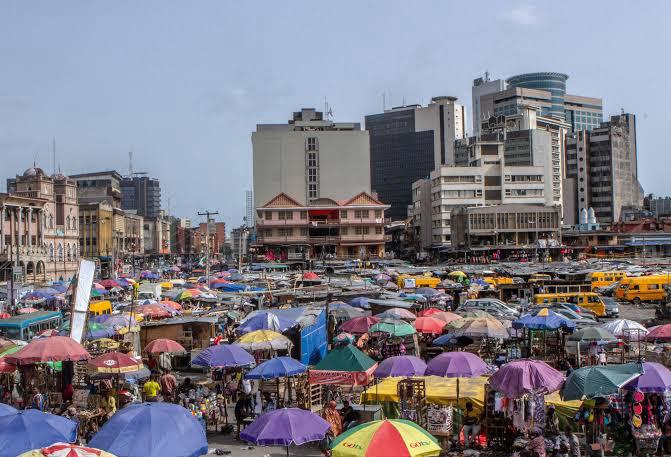
LAGOS — Nigeria’s headline inflation rate rose to 15.38% in March 2026, up from 15.06% in February, as soaring consumer prices continue to strain household budgets across the country. Data released by the National Bureau of Statistics (NBS) on Wednesday shows that the Consumer Price Index (CPI) which measures the average change over time in the prices paid by consumers for a market basket of goods and services surged to 135.4 points. This represents a significant 5.4-point increase from the 130.0 recorded in the preceding month. On a month-on-month basis, the headline inflation rate for March 2026 stood at 4.18%, reflecting an accelerated pace of price growth compared to the start of the year. Food remains a primary driver of the inflationary pressure, with the food inflation rate reaching 14.31% in March. The month-on-month food inflation rate was recorded at 4.17%, nearly identical to the overall headline momentum, indicating that the cost of essential commodities is rising in lockstep with broader economic pressures. Analysts note that the 32-basis-point jump in the year-on-year headline rate, coupled with a monthly increase exceeding 4%, suggests persistent upward pressure on the cost of living. The data comes at a time when the Central Bank of Nigeria (CBN) is closely monitoring price stability as part of its ongoing monetary policy reforms. In February, the central bank of Nigeria had slashed its interest rate by 50 base point to 26.5%, citing previous months of disinflation. The latest figures highlight the continued challenge of balancing growth with price stability, as non-food items including transportation and energy also contributed to the 5.4-point leap in the overall price index.
Nigeria’s public debt hits N159.28 trillion in Q4 2025 DMO

LAGOS – Nigeria’s total public debt reached N159.28 trillion in December 2025, according to the Debt Management Office (DMO). This marks a 3.9% increase from the N153.29 trillion recorded in September 2025. The N5.99 trillion quarterly surge reflects intensified borrowing by the Federal Government and states. Funds were primarily raised through domestic bond markets and external Eurobond issuances to bridge fiscal gaps. Domestic debt remains the dominant component, totaling N84.85 trillion. The Federal Government holds N80.49 trillion of this figure, while states and the FCT account for the remaining N4.36 trillion. External debt climbed to N74.43 trillion, equivalent to $51.86 billion. This rise was driven by new international credit and currency fluctuations affecting the valuation of existing foreign obligations. The annual debt stock grew by 10.1% throughout 2025. Despite the climb, the 2026 debt-to-GDP ratio is projected at 34.5%, remaining within the government’s established medium-term fiscal framework. The recent surge in public debt occurs as the Nigerian government navigates a complex transition toward macroeconomic stability. While the nominal debt figure has crossed the N159 trillion mark, the broader economic context is defined by a shift in monetary policy and ambitious fiscal targets for the 2026 cycle. Comparative Analysis of Nigeria’s Public Debt (Q3 vs. Q4 2025) Debt Category Sept 2025 (₦ Trillion) Dec 2025 (₦ Trillion) Q4 Change (₦) Total Public Debt 153.29 159.28 +5.99T Domestic Debt 81.82 84.85 +3.03T — Federal Govt 77.42 80.49 +3.07T — States & FCT 4.40 4.36 -0.04T External Debt 71.47 74.43 +2.96T Source: DMO
Nigeria slashes vehicle import tariffs to 40% to combat inflation

LAGOS — The Federal Government of Nigeria has slashed the total effective tariff on imported passenger vehicles from 70% to 40%, marking a major shift in Nigeria’s trade policy aimed at easing the high cost of living and stimulating economic growth. The reduction is a central feature of the 2026 Fiscal Policy Measures (FPM), signed by the Minister of Finance and Coordinating Minister of the Economy, Wale Edun. The policy, which officially took effect in April, replaces the 2023 fiscal guidelines and reverses high-tariff regimes dating back to 2015. Under the new framework, the combined burden of import duties and levies on fully built passenger motor vehicles, four-wheel drives, and station wagons has been reduced by 30 percentage points. Previously, importers faced a cumulative 70% charge, comprising 35% duty and 35% levy, which has now been consolidated into a 40% effective rate. Beyond standard vehicles, the government has introduced zero import duties for electric vehicles (EVs) and mass transit buses, as well as for agricultural and manufacturing machinery, to lower production costs for local industries. The 2026 FPM includes a “National List” of 127 items with reduced duties to protect essential sectors. Notable adjustments include bulk rice tariffs dropping from 70% to 47.5%, while broken rice fell to 30%. Essential food items like crude palm oil were cut to 28.75%, and raw cane sugar now ranges between 55% and 57.5%. These measures are intended to provide immediate relief to consumers by lowering the cost of imported staples and industrial inputs. To ensure a smooth transition, the Ministry of Finance has granted a 90-day grace period for importers who opened “Form M” before April 1, allowing them to clear goods under the old rates if advantageous. However, the government is also pivoting toward environmental sustainability. A new Green Tax surcharge and revised excise duty regime are scheduled to commence on July 1, 2026. While this tax aims to discourage the use of older, high-emission engines, vehicles under 2000cc and EVs are currently exempted from the surcharge to encourage cleaner transportation. Government officials state these measures are designed to promote and stimulate growth in critical sectors while buffering the economy against global volatility. While vehicle dealers have welcomed the move, many note that the final market price for cars will remain sensitive to the volatility of the Naira and port clearing costs. The policy reflects a broader strategy to balance revenue generation with the need to alleviate inflationary pressures on Nigerian households. Item Old Rate New Rate Passenger Vehicles 70% 40% Bulk Rice (>5kg) 70% 47.5% Broken Rice 70% 30% Agricultural Machinery 5% 0% Crude Palm Oil 35% 28.75% Steel Sheets/Coils 45% 35%
Nigeria exports maiden 950,000-barrel cargo of new Cawthorne crude
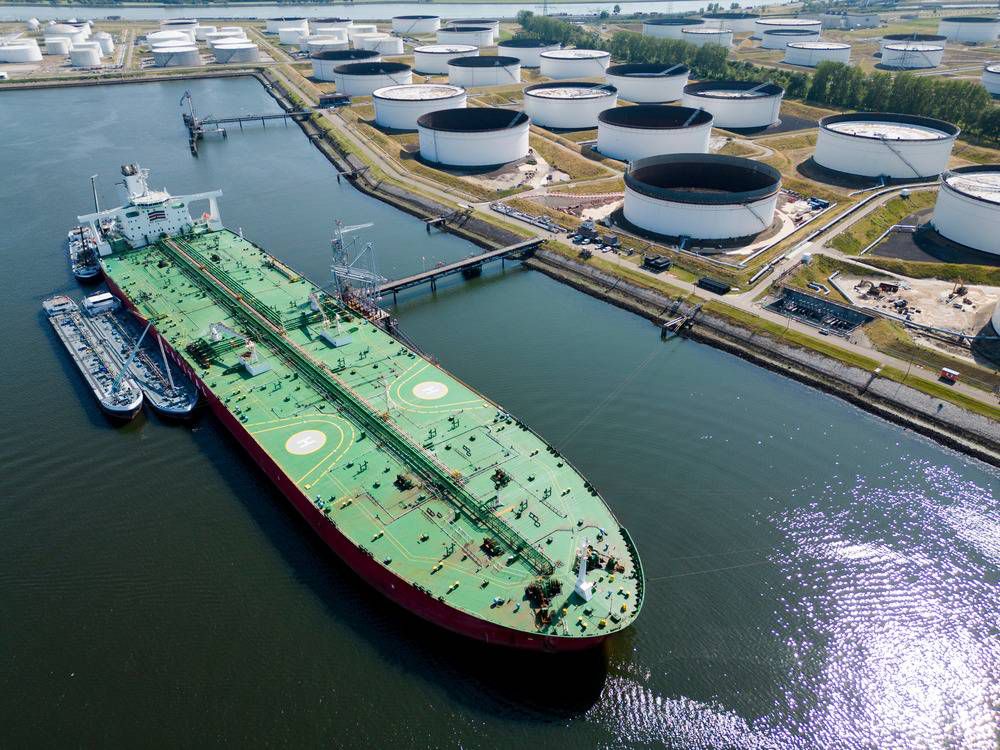
LAGOS — Nigeria National Petroleum Company Limited (NNPCL) has commenced exports of a new crude grade called Cawthorne, the company said on Wednesday, as Nigeria moves to ramp up flagging production and claw back market share in the global energy basin. The introduction of the Cawthorne Channel Light stream marks the second major export grade launched by Africa’s largest producer in six months, following the debut of the Nembe grade in late 2025. The new grade, sourced from the eastern Niger Delta, is a sweet, light crude with specifications similar to Nigeria’s flagship Bonny Light. It is expected to be a primary feedstock for refiners in Europe and Asia seeking low-sulfur gasoline and jet fuel components. Output of the new grade is estimated at between 50,000 and 70,000 barrels per day (bpd), according to traders and preliminary loading schedules. “This is a significant milestone in the Company’s drive to increase Nigeria’s crude oil production and expand its portfolio of globally competitive export streams,” NNPC said in a statement. The launch comes at a critical time for the Nigerian economy. The government is under pressure to boost foreign exchange liquidity and meet its 2026 budget targets, which are heavily dependent on oil revenues and a steady production floor. Nigeria has struggled for years to meet its OPEC+ production quotas due to aging infrastructure, large-scale theft, and a lack of investment in new deepwater projects. Market analysts say the addition of Cawthorne, alongside the Nembe stream, signals a more aggressive push by NNPC Ltd and the Nigeria Upstream Regulatory Commission (NUPRC) to offset declines in older fields and provide a buffer against localized supply disruptions. The first cargoes of Cawthorne have already been scheduled for loading this month, adding to the roughly 30 other grades Nigeria currently offers to the international market.
Nigeria’s crude Oil output hits 1.84mbpd as Finance Minister commends regulator
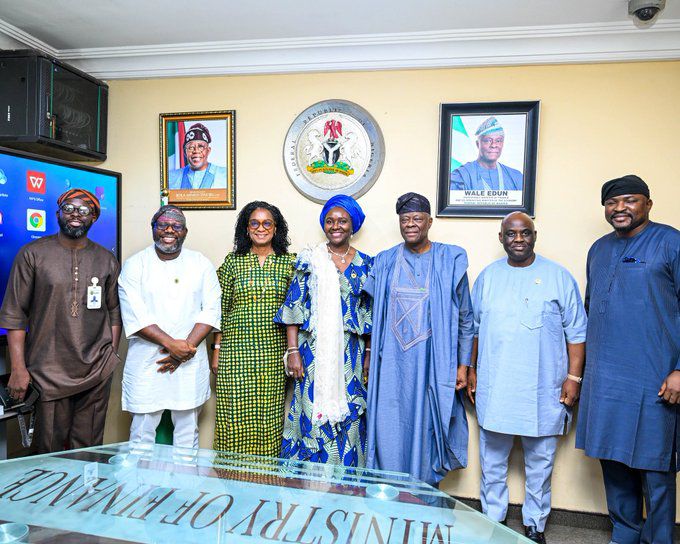
LAGOS — Nigeria’s daily crude oil production has climbed to 1.84 million barrels per day (mbpd), surpassing the federal government’s 2026 budget benchmark and signaling a significant recovery for the nation’s primary revenue source. The Minister of Finance and Coordinating Minister of the Economy, Wale Edun, lauded the milestone during a meeting at the ministry’s headquarters on Thursday. Edun credited the Nigerian Upstream Petroleum Regulatory Commission (NUPRC) for its role in stabilizing the sector, noting that the increase aligns with the economic mandates set by President Bola Tinubu. The current output represents a sharp 40.5% rebound from the 1.31 mbpd recorded in February 2026, a period marred by technical disruptions and facility maintenance. “It is heartening that you can tell us that you are doing 1.84 million barrels per day. That is fantastic news,” Edun told NUPRC Chief Executive Mrs. Oritsemeyiwa Eyesan. While expressing satisfaction, the Minister urged the regulator to push toward a “magic figure” of 2 mbpd to further ease fiscal pressures and support the national debt profile. This production surge comes at a critical time for the Nigerian economy The 1.84 mbpd figure sits comfortably above the government’s conservative budget estimate of 1.8 mbpd. With Brent crude trading near $109 per barrel amid geopolitical tensions in the Middle East, sustained production at this level could significantly improve foreign exchange inflows. Crude oil remains the backbone of Nigeria’s economy, accounting for approximately 50% of total export earnings. Mrs. Eyesan attributed the growth to ongoing reforms under the Petroleum Industry Act (PIA), including the “drill or drop” provisions which encourage activity on dormant acreages. The Commission is currently finalizing the technical stages of the 2025 Licensing Round, which is expected to bring new indigenous and international players into the upstream sector to sustain the upward trajectory. Period Production (mbpd) Status January 2026 1.49 Base line February 2026 1.31 Technical deep April 2026 1.84 Target met Target 2.0+ Presidential mandate
Nigeria passes ₦68.30 trillion 2026 budget to drive infrastructure and economic reset
LAGOS — Nigeria’s National Assembly on Tuesday passed a record ₦68.30 trillion ($49.38 billion) budget for the 2026 fiscal year, significantly scaling up the government’s spending plans to combat inflation and infrastructure deficits. The approved “Budget of Consolidation” followed a last-minute request from President Bola Tinubu to adjust the initial ₦58.18 trillion proposal submitted in December, citing the need for increased investment in national priorities. A cornerstone of this year’s fiscal policy is the transition to a single, unified budget cycle. President Tinubu informed lawmakers that the government will officially close all capital liabilities from previous years by March 31, 2026 The move is designed to eliminate the historical practice of running multiple budgets concurrently, which officials say has long hampered transparency and project execution. The budget is anchored on a projected revenue of ₦34.33 trillion, leaving a deficit of approximately ₦33.97 trillion. The government plans to bridge this gap through a mix of domestic and external borrowings. Key benchmarks for the fiscal year include a crude oil price of $64.85 per barrel and an average exchange rate of ₦1,400 to the US Dollar. Security and infrastructure remain the primary focuses of the administration. Defence and Security received the largest share, totaling over ₦5.41 trillion, as the military seeks to modernize its equipment and stabilize volatile regions. Other major allocations include ₦3.56 trillion for infrastructure, ₦3.52 trillion for education, and ₦2.48 trillion for health. The administration is targeting a 4.68% GDP growth rate for 2026. The budget also assumes a continued decline in inflation, which the government aims to bring down to 14% by year-end. Lawmakers urged the executive to ensure strict implementation, emphasizing that the success of the budget depends on fiscal discipline and the timely release of funds to key sectors.
Nigeria targets 7% gowth and $14 billion infrastructure boost via IsDB partnership
LAGOS – Nigeria is pivoting toward private-led growth with a 7% medium-term GDP target, the Minister of Finance announced Monday in Lagos. Speaking at the Islamic Development Bank (IsDB) Group Day, the Minister outlined a realignment with the IsDB’s 2026-2028 framework to bridge a $14 billion annual infrastructure gap. The address, delivered for President Bola Ahmed Tinubu, signaled a transition from economic stabilization to investment-driven transformation. To hit these targets, the government aims to raise the investment-to-GDP ratio to 30%. This strategy requires a shift from public funding to private capital and innovative financing. The Minister highlighted Sukuk as a key tool for transparent, asset-backed infrastructure like roads. Nigeria plans to deepen ties with IsDB entities like the ICD and ITFC to securitize assets and expand capital markets. The partnership rests on two pillars: sustainable infrastructure and human capital. Infrastructure priorities include energy access, transport, and digital innovation. For human capital, 2026 is designated the “Year of Social Development,” aiming to bring 10 million Nigerians into the productive economy. Nigeria is also positioning itself as a leader in ethical finance. Through “Reverse Linkage” platforms, the country will share reforms in public financial management and digital agriculture with other member nations. “To achieve our medium-term target of 7% growth, Nigeria must raise its investment-to-GDP ratio to at least 30%.” The minister stated. The Minister concluded by calling for a move from dialogue to delivering bankable projects. He noted that the Renewed Hope Agenda and the IsDB roadmap will serve as the engine for job creation and measurable impact.
Nigeria: Otti commissions $35m beverage plant in Aba, pledges continued industrial support
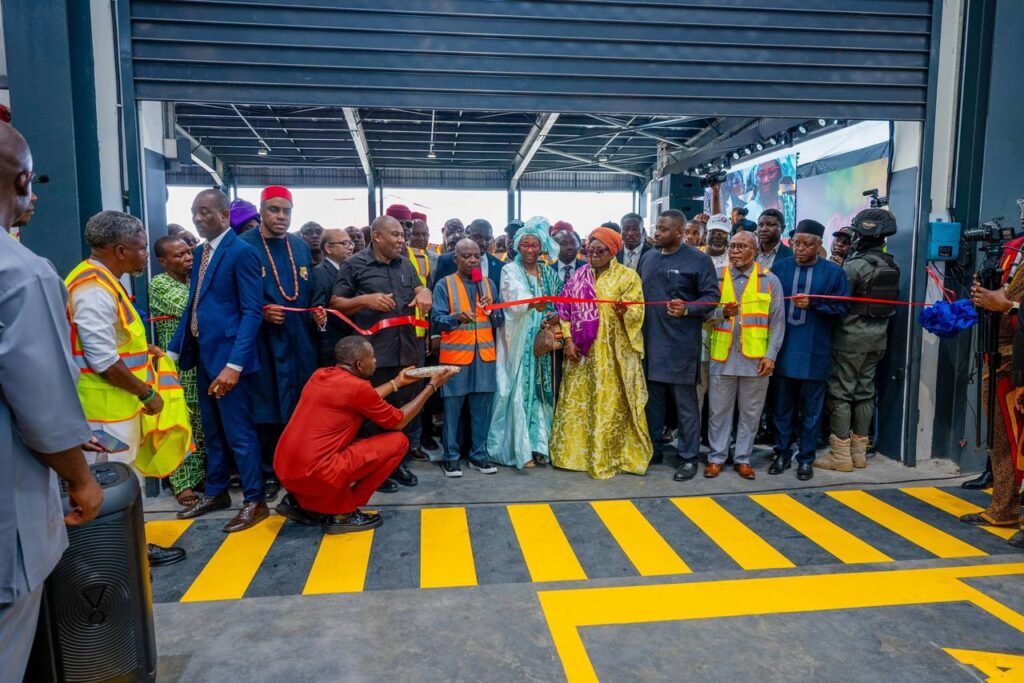
Governor of Abia state Alex Otti has officially commissioned a new $35 million ultra-modern beverage production facility in Aba, marking a significant milestone in the state’s drive to reclaim its status as a premier industrial hub in West Africa. The facility, owned by Ultimum Beverages Limited—a subsidiary of the Kadji Group—is located within the Osisioma Industrial Layout. The plant currently produces the “Razzl” brand of carbonated soft drinks and represents an initial investment that is projected to scale to $100 million as the company expands its footprint in the region. Speaking at the commissioning ceremony on Wednesday, Governor Otti described the project as a “validation” of his administration’s efforts to improve the ease of doing business. He noted that the factory was established in just 10 months, attributing the speed of execution to the state’s focus on restoring critical infrastructure, including road networks and security within the industrial clusters. “This investment is a clear signal to the global business community that Abia is open for business,” Otti stated. “Our role as a government is to provide the enabling environment—the power, the roads, and the security—that allows capital to thrive and create jobs for our people.” The plant is expected to generate hundreds of direct jobs for Abia residents, ranging from technical engineering roles to administrative and distribution positions. Beyond direct employment, the facility is set to stimulate the local value chain, benefiting regional logistics providers and raw material suppliers. Mounir Elsarky, the CEO of Ultimum Beverages, commended the state government for its proactive support, noting that the choice of Aba was strategic due to its historical importance as a commercial nerve center and its proximity to key markets in the South-East and South-South regions. The commissioning follows a series of recent industrial milestones in the state, including the flag-off of the 140-hectare Aba Commercial Smart City and ongoing efforts to revitalize the Aba Mega Mall into a specialized manufacturing park for the garment and footwear sectors.
Monetary policy on point, but fiscal measures remain insufficient
A year after his appointment as the governor of the Central Bank of Nigeria (CBN), Olayemi Cardoso has come the same conclusions as many of his predecessors – Nigeria’s successful monetary policy is dependent on appropriate fiscal policies, measures, and programmes. For instance, in his presentation after the monetary policy committee in September, the governor said: “Members (monetary policy committee) therefore reiterated the need to work in close collaboration with the fiscal authority to address the current upward pressure on energy prices. The MPC noted the continued growth in money supply, recognizing the need to curtail excess liquidity in the system as well address foreign exchange demand pressure. Members were also concerned about the growing level of fiscal deficit but acknowledge the commitment of the fiscal authority not to resort to monetary financing through ways and means. Furthermore, members observed a strong correlation between FAAC releases and liquidity levels in the banking system as well as its impact on exchange rate.” From this statement, it is not only clear that current macroeconomic stability measures of the Bank are hindered by fiscal policy measures but that there is a lingering mindset in the government at all levels that the solution to all problems is to spend. This mindset is also responsible for the poor choices made when it comes to expenditure. While energy prices are rising following the removal of subsidies, it been exacerbated on the back of the volatility and weakness of the exchange rate that arises from pressures from FAAC releases. Fig. 1. Changes in fuel prices showing dramatic changes since June 2023. As also shared above, the growth in money supply and excess liquidity in the financial system, exerting pressures on prices and exchange rate, also originates from fiscal expenditures. The governor also expressed concern over the growth in deficit financing of the budget. After his appointment in September 2023, Yemi Cardoso has set to do three major things – fight the twin elements of macroeconomic instability in exchange rates weakness and volatility, and inflation, strengthen the country’s financial system, and clean the rot in the apex bank in relation to lose monetary policy arising from development banking. By suspending all development banking measures, the governor has cut the over N10 trillion liquidity through credit subsidies, and strengthening the banking system through the ongoing new capital requirements. However, establishing macroeconomic stability remains a tough challenge. Notwithstanding, the Bank, under Cardoso’s leadership, has grown the country’s external reserves by nearly 20 percent since September 2023, with reserves up from the US $33 billion in 2023 to US $39 billion in September 2024. The macroeconomic instability challenge is also a common theme in the analysis provided by all monetary committee members in their statements released last week. It is on the basis of this that all members of the MPC voted to raise the monetary policy rate by 50 basis points from 26.5 percent to 27.25 percent except Philip Ikeazor, the deputy governor in charge of financial stability, according to the personal statements released by the Bank last week, To see the changes in the Nigeria’s debt dynamics since the Q1 2024, ThinkBusiness Africa checked the debt data releases on the debt management office (DMO) website. It observed that the latest data for Q2 2024 has not been released. It thus means that for this first in this decade, the subsequent quarter has elapsed without the releases of the latest debt data for the previous quarter. If this persists, doubts will begin to set in about whether the government is hiding the latest data of deficits and debts or seeking to manipulate the level of deficits and debts as done under President Muhammadu Buhari when the government hid the data on ways and means until the twilight days of his administration. Since June 2019, all debt data releases were done in the middle of the following quarter.