
Xenophobia: Nigeria Initiates Citizen Repatriation Amid Escalating South Africa Unrest
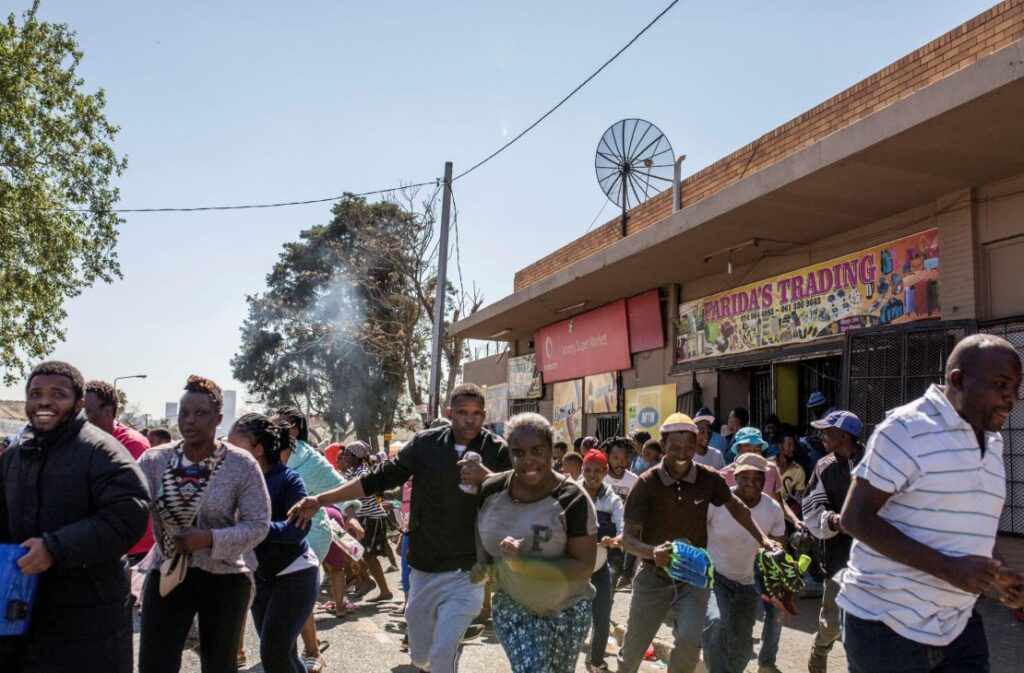
LAGOS – Nigeria’s Minister of Foreign Affairs, Ambassador Bianca Odumegwu-Ojukwu, has confirmed that 130 Nigerians have registered for voluntary repatriation following a surge in anti-foreigner protests across South Africa. The diplomatic move coincides with the Ministry summoning South Africa’s High Commissioner to Nigeria on Monday. The government is demanding justice for two Nigerians allegedly killed by South African security forces. Amamiro Chidiebere Emmanuel died April 25 from injuries sustained during a military beating. Nnaemeka Matthew Andrew was found dead April 20 following an encounter with the Tshwane Metro Police. “This is utterly condemnable and unacceptable. The Nigeria High Commission is closely following investigations into these unfortunate incidents and Nigeria demands justice be done in these cases.” Mrs. Odumegwu-Ojukwu said in a post on X (Twitter). The federal government expressed grave concern over images of violence and hate speech. They noted that these xenophobic patterns frequently intensify during South African political and election cycles. “Nigerian lives and businesses in SA must not continue to be put at risk, and we remain committed to working with South Africa to explore ways to put an end to this xenophobic pattern.” The minister said. President Bola Tinubu has ordered close monitoring of the situation as new demonstrations are planned for May 4–8. Host authorities have been urged to provide effective security control. Nigeria is currently invoking a bilateral Memorandum of Understanding on early warning systems. This agreement aims to protect citizens and businesses from extra-judicial killings and property destruction. Evacuation arrangements are being finalized in collaboration with Nigerian associations in South Africa. The number of applicants for repatriation is expected to rise as tensions remain high. The current unrest mirrors the devastating 2021 July riots, where foreign-owned “spaza” shops and retail hubs in Gauteng and KwaZulu-Natal were systematically looted and burned during political instability. During that period, vigilante groups like “Operation Dudula” also emerged, forcibly closing immigrant businesses in Soweto under the guise of nationalism. This displacement left thousands of foreign entrepreneurs without livelihoods.
Lagos Abandons Road Expansion, Pivots to Rail and Water in New 2050 Master Plan
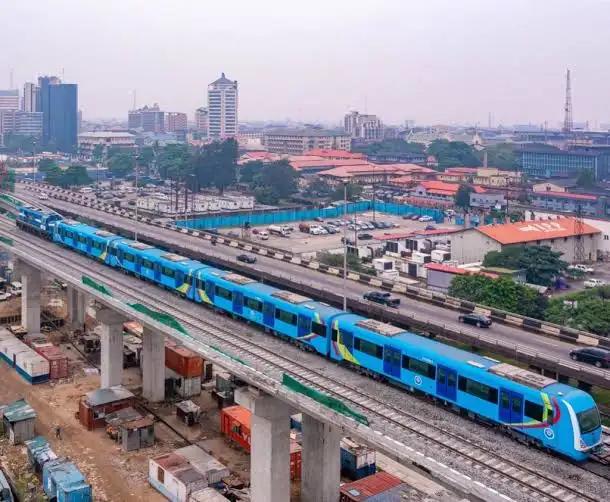
Lagos — one of Africa’s most populous cities, is betting on rail, water, and mass transit to escape chronic gridlock, shifting its long-term strategy away from traditional road expansion projects. The Lagos Metropolitan Area Transport Authority (LAMATA) announced the pivot following a high-level workshop to update the city’s Strategic Transport and Mobility Master Plan (STMMP) through 2050. Officials confirmed the state will now prioritize an integrated multimodal system. This strategy aims to move millions of commuters via the expanding rail network, BRT corridors, and revamped waterways. This policy shift addresses the reality that building more roads cannot keep pace with a population projected to hit 45 million by 2050. The focus is now on high-capacity transit. The announcement comes as the Red Line rail begins partial operations, joining the existing Blue Line. Together, these tracks form the backbone of a network intended to carry millions daily. “In a decisive move to reshape urban mobility, the Lagos Metropolitan Area Transport Authority (LAMATA) convened a high-level stakeholders’ workshop to update its Strategic Transport and Mobility Master Plan (STMMP), setting a clear roadmap for Lagos’ transportation needs through 2050,” Lagos State Commissioner for Transportation, Mr. Oluwaseun Osiyemi, said in a statement. The $3 billion Green Line, connecting Lekki to the rest of the city, was recently fast-tracked through a partnership with Chinese engineering firms. Additionally, the state is investing €410 million in the Omi Eko project. This initiative will deploy 75 electric ferries to move 25 million passengers annually, reducing road pressure and emissions. By integrating these modes under a single payment system, the Cowry Card, Lagos aims to reduce private car usage from 11% to just 2% over the next three decades.
Nigeria’s 2025 Foreign Tax Receipts Hit Record $4.59 Billion on FX Reforms
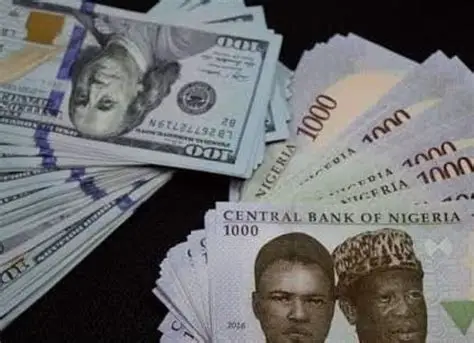
Nigeria’s foreign currency tax receipts reached a historic N6.33 trillion (approx. $4.59 billion) in 2025, according to data released by the National Bureau of Statistics (NBS). The figure represents a 27.3% surge from the N4.97 trillion recorded in 2024, highlighting the government’s increasing reliance on dollar-linked inflows amid persistent currency volatility. Foreign currency payments contributed approximately 35.5% of the total N17.83 trillion collected from Value Added Tax (VAT) and Company Income Tax (CIT) during the 2025 fiscal year. The Central Bank of Nigeria (CBN) acted as a primary catalyst for this growth through its comprehensive exchange rate liberalization and the unification of the foreign exchange market. By allowing the naira to reflect market realities, the CBN significantly increased the local value of all taxes paid in foreign currencies by multinational entities and exporters. Furthermore, the apex bank’s maintenance of a tight monetary policy and market-reflective currency regime throughout 2025 maximized the naira-equivalent gains from these dollar-denominated revenue streams. The NBS report shows that foreign-currency CIT alone climbed to N4.23 trillion, while foreign-currency VAT grew to N2.10 trillion, fueled by sectors like oil, telecoms, and finance. Experts suggest that while the N6.33 trillion reflects enhanced collection efficiency, it also highlights the “revaluation effect” where the weaker naira makes dollar-linked tax payments appear significantly larger. The federal government intends to utilize this liquidity to fund the 2026 budget deficit and reduce the national debt-to-GDP ratio, which is currently projected to settle at 34.5%. Total tax revenue for 2026 is targeted at N40.7 trillion, with foreign currency receipts now forming a cornerstone of the nation’s strategy to achieve a 10.2% tax-to-GDP ratio.
Nigeria petrol prices jump 23% in march as costs surge in Abuja and Lagos
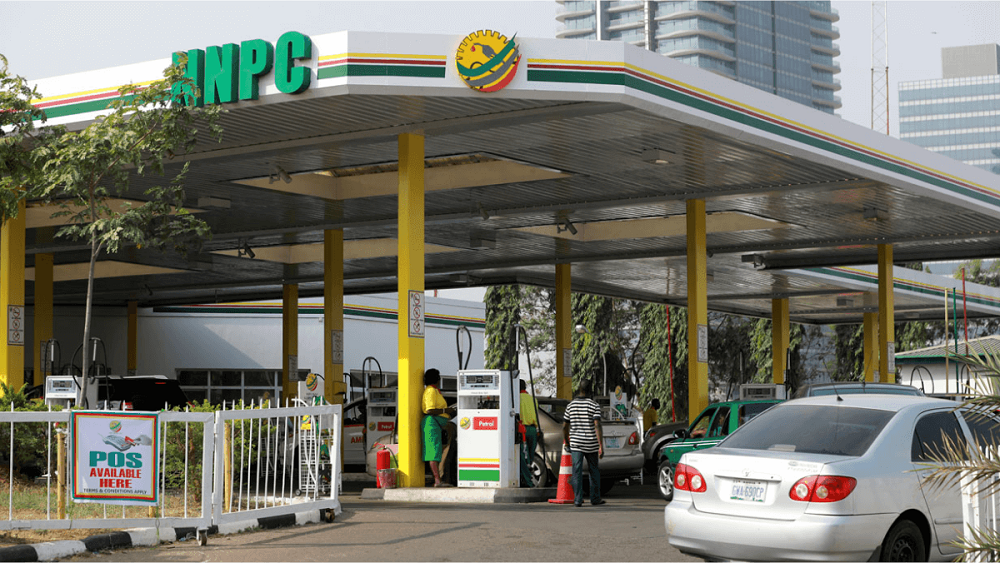
LAGOS – Average petrol prices in oil-rich Nigeria surged 22.55% in March from the previous month, data from the National Bureau of Statistics (NBS) showed on Wednesday, as the country grapples with persistent energy inflation. The national average price for a liter of Premium Motor Spirit rose to N1,288.54 naira ($0.86), up from 1,051.47 naira in February, reflecting the continued impact of the government’s subsidy removal policy. Price disparities remained stark across the federation. Lagos, the commercial capital, recorded the lowest average price at N1,162.71, while in the capital, Abuja, prices hovered around the North Central average of 1,258.34 naira. The highest prices were documented in the southeast, with Anambra state averaging N ,441.22 per liter. The North East region saw the highest zonal average at N1,336.50. The jump follows a six-month upward trend since prices hit a 2025 low of N970.59 in September. On a year-on-year basis, prices are up 2.13% from March 2025. Energy costs in Africa’s largest oil producer have remained volatile as the government pushes for full deregulation of the downstream sector amid fluctuating global crude oil prices. The recent spike has pressured household budgets and increased transportation costs, contributing to broader inflationary pressures that have sparked concerns from labor unions and economic analysts. While the government expects increased supply from the Dangote refinery to stabilize the market, infrastructure bottlenecks and currency fluctuations continue to influence the pump price for millions of Nigerians.
7 Reforms: How Wale Edun Rebuilt Nigeria’s Economic Foundation
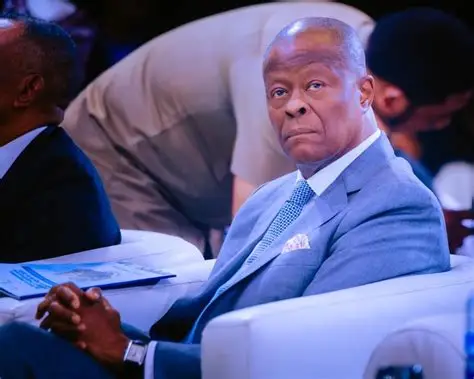
The resignation of Wale Edun as the Nigerian Minister of Finance and Coordinating Minister of the Economy this week signals the end of one of the most consequential fiscal eras in Nigeria’s democratic history. Leaving his post after nearly three years of “firefighting” and structural overhauls, Edun exits a ministry that has been fundamentally rewired. While his tenure was often defined by the tough realities of inflation and high living costs, his legacy is anchored in seven specific reforms that shifted Nigeria from the brink of insolvency toward a transparent, market-led economy. 1. Currency Unification Edun’s first order of business was the aggressive unification of the foreign exchange windows. By collaborating with the Central Bank of Nigeria (CBN) monetary authority to collapse the multiple-rate regime, he eliminated the arbitrage gap that had long distorted the market. This move was the primary catalyst for restoring investor confidence, eventually stabilizing the naira by 2026. 2. The Subsidy Pivot Managing the fallout of the fuel subsidy removal was Edun’s greatest political and economic challenge. He transitioned the federation from a system of “subsidizing consumption” to “financing production,” redirecting trillions of naira into critical infrastructure and social safety nets. 3. Revenue Diversification and Tax Overhaul To break the “oil trap,” Edun championed a tax reform that targeted efficiency over higher rates. By automating collection and simplifying the tax code, he successfully pushed the tax-to-GDP ratio toward 18%, ensuring the government could finally fund its budget through non-oil revenue. 4. Ending “Ways and Means” Reliance Edun moved decisively to end the federal government’s dependence on the CBN’s “Ways and Means” advances. By curtailing the practice of printing money to fund deficits, he addressed the root cause of systemic inflation and restored the independence of the nation’s monetary balance sheet. 5. GDP and Inflation Rebasing Recognizing that Nigeria was “planning with old data,” Edun led the 2026 rebasing of the GDP and CPI. This reform fully captured the weight of the tech and creative sectors in the national accounts. By the time of his resignation, these efforts helped reveal a more robust GDP growth rate of 4.1%, up from roughly 2.5% at the start of his term. 6. Oil Revenue Transparency (Executive Order 9) He was the chief architect behind the enforcement of transparency in oil remittances. Through Executive Order 9, he ensured that every dollar of oil revenue hit the Federation Account before any deductions, effectively ending decades of opaque spending by state enterprises. 7. TSA Automation and Fiscal Discipline Finally, Edun fully automated the Treasury Single Account (TSA). By integrating AI-driven tracking into government spending, he reduced “leakages” to historic lows, ensuring that public funds were visible and accountable in real-time. As he departs this week, the macroeconomic indicators tell the story: external reserves have climbed toward $48 billion, and inflation has finally begun its descent. Edun’s seven reforms may have been a “bitter pill,” but they have left the Nigerian economy with a pulse that is now steady, transparent, and significantly more resilient. In his final words, the 70 years old reformer noted that “It has been an honour to contribute to the implementation of the administration’s economic agenda at a pivotal moment in Nigeria’s journey.”
Nigeria Seeks $516m From Deutsche Bank for Strategic Superhighway
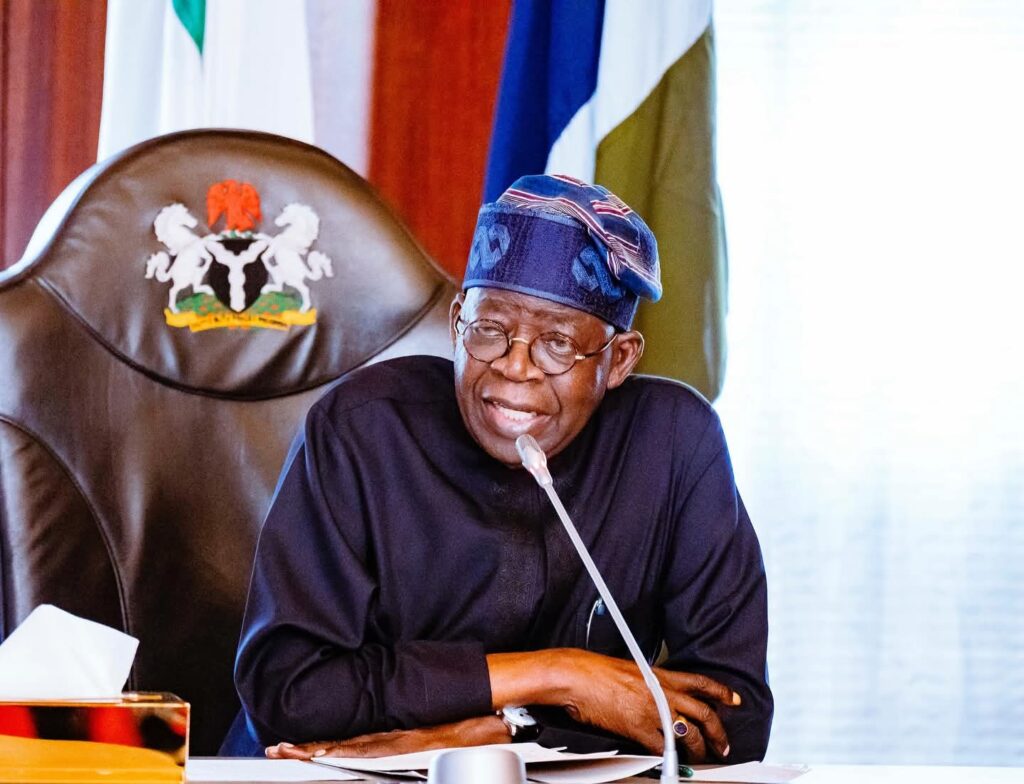
President Bola Tinubu has formally requested the National Assembly to approve a $516.3 million credit facility from Deutsche Bank to fund the first sections of the Sokoto-Badagry Superhighway. The executive proposal, presented during Thursday’s plenary, seeks to finance Sections 1, 1A, and 1B of the 1,000-kilometre corridor designed to link Nigeria’s agrarian North-West to South-Western industrial hubs. According to the presidency, the syndicated loan arrangement includes insurance backing from the Islamic Corporation for the Insurance of Investment and Export Credit to ensure favorable concessionary terms. The project is a flagship initiative of the “Renewed Hope” agenda, aiming to integrate the Illela border post with Lagos ports to reduce logistics costs and boost regional trade. Economic observers noted the request follows the recent departure of Finance Minister Wale Edun, surfacing amidst an oil price windfall that has seen Brent crude trade above $102 per barrel. While the administration emphasizes the highway’s role in food security and job creation, opposition leaders have warned against “blind borrowing” as the national debt stock nears N195 trillion. The Senate has referred the request to the Committee on Aids, Loans, and Debt Management for expedited review to maintain the project’s 2026 construction timelines and cost efficiency. Once completed, the high-capacity dual carriageway will traverse seven states, providing a critical alternative route to the traditional North-South corridors and improving overall national road safety performance. The $516 million facility is already captured within the government’s 2026 external borrowing plan, which lawmakers previously approved to bridge the country’s significant infrastructure deficit.
Nigeria disburses record N2.036 trillion as oil revenue surges in March
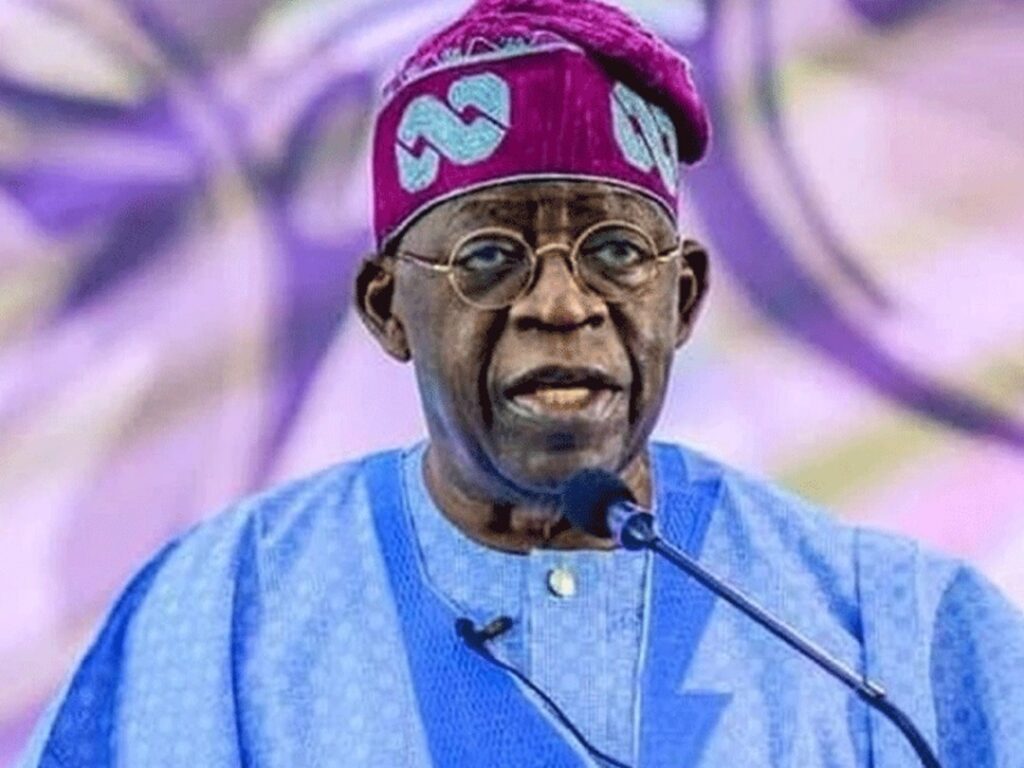
The Federation Account Allocation Committee (FAAC) distributed N2.036 trillion Naira to the federal, state, and local governments, marking a historic revenue milestone for March 2026. This distribution follows a surge in statutory revenue, which hit N1.320 trillion, significantly bolstered by high global oil prices and improved domestic collection mechanisms. The Federal Government received N789.159 billion, while the 36 states shared N657.596 billion, providing essential liquidity for regional infrastructure and economic development projects. Local Government Councils were allocated N468.826 billion, and oil-producing states received an additional N120.759 billion as derivation revenue from mineral royalties. Gross revenue for the month peaked at N2.364 trillion before N81.084 billion was deducted for collection costs and N246.872 billion moved to savings and refunds. Finance Minister Taiwo Oyedele noted the result marks the second time this year that the shared revenue pool has exceeded the N2 trillion threshold. While Value Added Tax (VAT) saw a marginal dip to N515.391 billion, the overall statutory growth offset the decline, signaling a robust end to the first quarter. The International Monetary Fund (IMF) currently projects Nigeria’s 2026 growth at 4.1%, a decade-high pace predicated on sustained macroeconomic stability.
Nigerian government proposes debt discount for airlines amid shutdown threat
The Federal Government of Nigeria has proposed a significant discount on legacy debts owed by domestic airlines to avert a total collapse of the country’s aviation sector following a high-level meeting. Aviation Minister Festus Keyamo announced the proposal on Wednesday, stating that President Bola Tinubu directed the ministry to negotiate a “generous discount” on liabilities owed to various regulatory agencies. However, the Airline Operators of Nigeria (AON) rejected the offer, demanding a full 100 percent waiver of all outstanding debts to ensure their continued survival in the harsh economy. The operators warned that without a total waiver and urgent intervention, a total shutdown of domestic flight operations is imminent due to an unsustainable liquidity crisis facing the industry. The standoff is exacerbated by skyrocketing aviation fuel prices, which have surged to over ₦3,300 per liter, representing a nearly 300 percent increase in just two months. AON representatives argued that partial discounts are insufficient because fuel costs now consume the majority of their revenue, making statutory debt repayments impossible under current market conditions. The government has also pledged to review multiple taxation and ticket levies, though the aviation ministry is simultaneously grappling with a 23 percent budget cut for the 2026 fiscal year. A special committee is expected to be formed to find a middle ground, but airlines remain firm that they will suspend services if a total waiver is not granted.
Nigerian president overhauls economic team changes finance minister in minor cabinet reshuffle
President Bola Tinubu of Nigeria approved a minor cabinet reshuffle on Tuesday, removing Finance Minister Wale Edun and Housing Minister Ahmed Musa Dangiwa to strengthen the administration’s economic delivery. Taiwo Oyedele, the former Minister of State for Finance and tax reform chief, has been promoted to substantive Minister of Finance and Coordinating Minister of the Economy. The presidency also named Muttaqha Rabe Darma as the minister-designate for Housing and Urban Development, replacing Dangiwa as part of the reorganized Federal Executive Council. According to a statement from the Secretary to the Government of the Federation, the changes aim to improve governance synergy under the president’s “Renewed Hope Agenda.” All outgoing ministers have been directed to complete their formal handover processes to their respective successors by the close of business on Thursday, April 23, 2026. Wale Edun had just returned from Washington DC, after chairing the Group of Twenty-Four (G24) Ministerial Meeting on the sidelines of the World Bank Group Spring Meetings, where he demanded urgent multilateral support to shield developing nations from heightening global economic instability and geopolitical shocks The now promoted Finance Minister, Taiwo Oyedele is a renowned fiscal policy expert who previously chaired the Presidential Committee on Fiscal Policy and Tax Reforms, where he spearheaded efforts to streamline Nigeria’s complex tax system. Before joining the administration, he served as a partner at PwC, gaining a reputation for his deep technical knowledge of West African economic policy and revenue diversification.
Strategic harmony: Nigeria’s new fiscal and monetary frontier
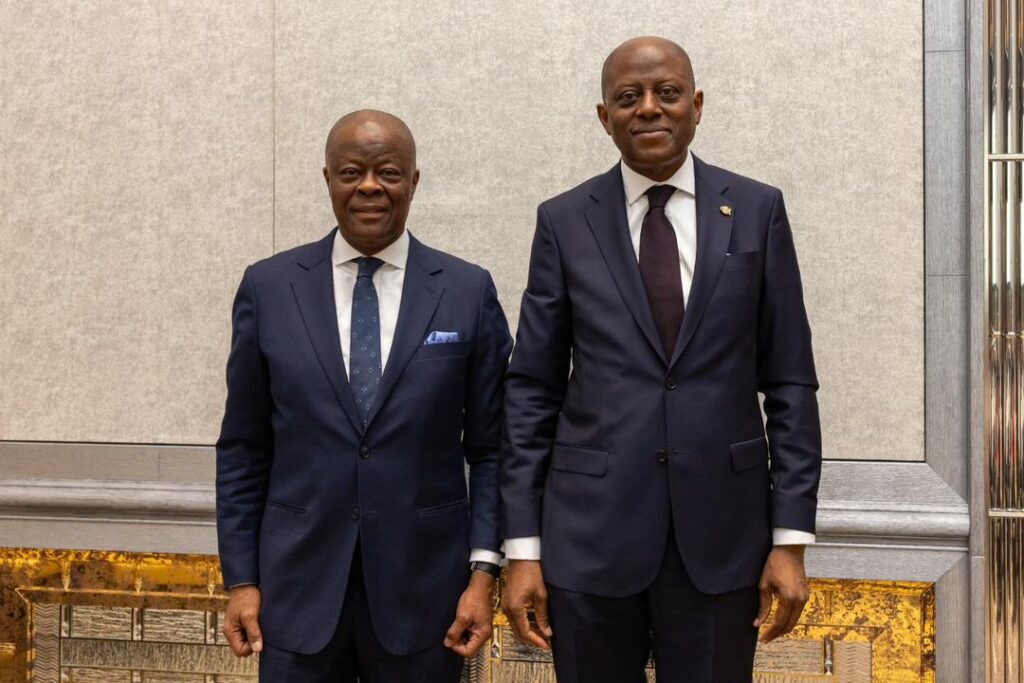
The wall between Nigeria’s fiscal and monetary authorities is thinning, replaced by a strategic alignment aimed at stabilizing an economy in transition. This partnership is now the cornerstone of recovery. Central Bank of Nigeria (CBN) Governor Olayemi Cardoso and Finance Minister Wale Edun recently reviewed progress to ensure reforms work in lockstep. This coordination is essential for consistent economic outcomes across the nation. For years, policy friction undermined growth. Now, the transition toward a unified front ensures that interest rate adjustments and government spending plans no longer work at cross-purposes. As Governor Cardoso noted regarding this deepened cooperation: “As reforms deepen, that coordination becomes even more important, ensuring that policy direction is consistent and that outcomes are felt more clearly across the economy.” This synergy represents a dual-engine strategy. While the CBN deepens reforms to stabilize the Naira, the Ministry of Finance focuses on revenue generation and structural debt management. A standout achievement of this partnership is the National Gold Purchase Programme. It allows the CBN to bolster external buffers by acquiring monetary-grade gold domestically using the local currency. By purchasing gold in Naira at international benchmarks, the bank preserves foreign exchange. This move aligns Nigeria with global reserve management strategies during periods of intense international market uncertainty. Domestic gold acquisition serves both monetary and fiscal goals. It diversifies national reserves while supporting the local mining sector and reducing the constant demand for precious dollar liquidity. The successful conclusion of the banking-sector recapitalization programme further highlights this period of consolidation. A stronger banking system provides the necessary foundation for the government’s ambitious growth targets. In an uncertain global environment, this policy harmony is Nigeria’s best defense. It signals to investors that the country is committed to a predictable, transparent, and resilient financial future.