A landmark report released, by the World Bank and the Government of Seychelles reveals that the nation’s economic future depends on a fundamental shift in its tourism model. The Country Climate and Development Report (CCDR) warns that without urgent intervention, climate-driven sea-level rise and coastal erosion could slash the archipelago’s GDP by more than 6% annually by 2050.
A strategy of “quality over quantity”
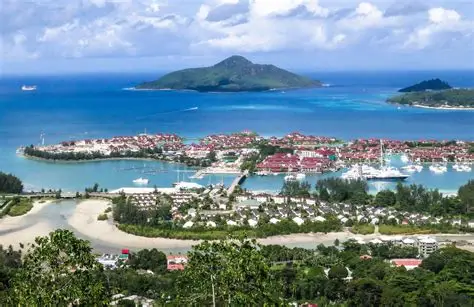
As the first high-income country in Africa, Seychelles is utilizing this report as a roadmap to transition from volume-based tourism to a high-value, low-impact sustainable model. With 46% of the national GDP currently tied to tourism, the stakes are exceptionally high. The report highlights a geographic crisis: approximately 90% of the population and nearly all critical infrastructure—including the international airport and luxury resorts—are concentrated in vulnerable coastal zones.
To safeguard these assets, the CCDR outlines a “3R” framework (Reorient, Reduce, Reinforce) that requires a total investment of $810 million over the next 25 years. To kickstart this transition, the report suggests Seychelles must invest roughly 2.8% of its GDP annually through 2031.
Economic resilience through sustainability
The report emphasizes that sustainability is an economic imperative. By scaling the Seychelles Sustainable Tourism Label (SSTL) and shifting toward renewable energy, the country can achieve 20% lower electricity costs and reduce its heavy reliance on imported fuel, which currently makes up 20% of all imports.
“Smart, resilient investments in nature-based coastal defenses could halve projected economic losses,” the report notes. By moving from the current 3.6% renewable energy share to the national goal of 15% by 2030, Seychelles aims to remain a global success story, balancing high-income growth with the protection of its unique natural heritage.