By: ThinkBusiness Africa
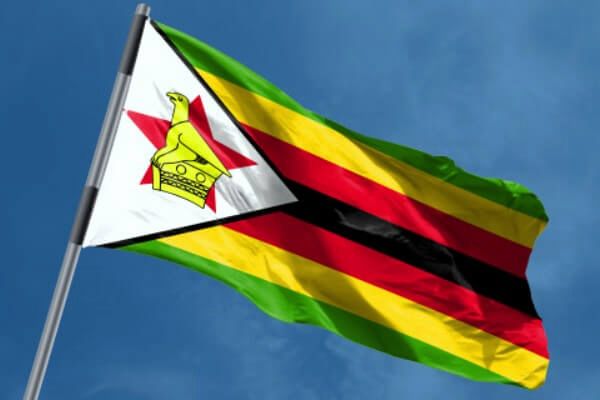
The government of Zimbabwe has officially terminated negotiations with the United States over a proposed $367 million bilateral health funding agreement. The collapse of the talks, announced Wednesday, centers on a dispute over “data sovereignty” and the sharing of sensitive biological information.
Government spokesperson Nick Mangwana stated that the deal, which would have provided funding over five years for HIV/AIDS, tuberculosis, and malaria, was rejected because it required Zimbabwe to hand over comprehensive epidemiological data and virus samples without guaranteed access to future medical breakthroughs.
According to Zimbabwean officials, the proposed Memorandum of Understanding (MoU) was “asymmetrical.” The government argued that the U.S. was seeking long-term access to Zimbabwe’s biological resources but refused to reciprocate data sharing — Washington allegedly would not share its own epidemiological data in return.
Zimbabwe sought assurances that its citizens would have access to any vaccines, diagnostics, or treatments developed using the shared data—a request they say the U.S. denied.
“In essence, our nation would provide the raw materials for scientific discovery without any assurance that the end products would be accessible to our people should a future health crisis emerge,” Mangwana said in a statement.
The United States has been Zimbabwe’s largest health donor for two decades, providing nearly $2 billion since 2006. The U.S. Embassy in Harare expressed regret over the decision and confirmed it will now begin the “difficult task” of winding down its health assistance.
Zimbabwean authorities characterized the rejection as a move toward protecting national security and a preference for multilateral frameworks. They argued that “virus data with pandemic potential” should be managed through the World Health Organization (WHO) rather than through bilateral deals with “strings attached.”
While U.S. Ambassador Pamela Tremont noted that Zimbabwe has indicated it is prepared to manage its HIV response independently, the sudden loss of the country’s primary donor raises concerns about the stability of a healthcare system already under significant strain.