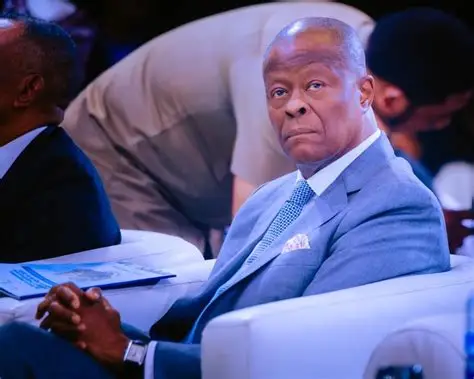
The resignation of Wale Edun as the Nigerian Minister of Finance and Coordinating Minister of the Economy this week signals the end of one of the most consequential fiscal eras in Nigeria’s democratic history. Leaving his post after nearly three years of “firefighting” and structural overhauls, Edun exits a ministry that has been fundamentally rewired.
While his tenure was often defined by the tough realities of inflation and high living costs, his legacy is anchored in seven specific reforms that shifted Nigeria from the brink of insolvency toward a transparent, market-led economy.
1. Currency Unification
Edun’s first order of business was the aggressive unification of the foreign exchange windows. By collaborating with the Central Bank of Nigeria (CBN) monetary authority to collapse the multiple-rate regime, he eliminated the arbitrage gap that had long distorted the market. This move was the primary catalyst for restoring investor confidence, eventually stabilizing the naira by 2026.
2. The Subsidy Pivot
Managing the fallout of the fuel subsidy removal was Edun’s greatest political and economic challenge. He transitioned the federation from a system of “subsidizing consumption” to “financing production,” redirecting trillions of naira into critical infrastructure and social safety nets.
3. Revenue Diversification and Tax Overhaul
To break the “oil trap,” Edun championed a tax reform that targeted efficiency over higher rates. By automating collection and simplifying the tax code, he successfully pushed the tax-to-GDP ratio toward 18%, ensuring the government could finally fund its budget through non-oil revenue.
4. Ending “Ways and Means” Reliance
Edun moved decisively to end the federal government’s dependence on the CBN’s “Ways and Means” advances. By curtailing the practice of printing money to fund deficits, he addressed the root cause of systemic inflation and restored the independence of the nation’s monetary balance sheet.
5. GDP and Inflation Rebasing
Recognizing that Nigeria was “planning with old data,” Edun led the 2026 rebasing of the GDP and CPI. This reform fully captured the weight of the tech and creative sectors in the national accounts. By the time of his resignation, these efforts helped reveal a more robust GDP growth rate of 4.1%, up from roughly 2.5% at the start of his term.
6. Oil Revenue Transparency (Executive Order 9)
He was the chief architect behind the enforcement of transparency in oil remittances. Through Executive Order 9, he ensured that every dollar of oil revenue hit the Federation Account before any deductions, effectively ending decades of opaque spending by state enterprises.
7. TSA Automation and Fiscal Discipline
Finally, Edun fully automated the Treasury Single Account (TSA). By integrating AI-driven tracking into government spending, he reduced “leakages” to historic lows, ensuring that public funds were visible and accountable in real-time.
As he departs this week, the macroeconomic indicators tell the story: external reserves have climbed toward $48 billion, and inflation has finally begun its descent. Edun’s seven reforms may have been a “bitter pill,” but they have left the Nigerian economy with a pulse that is now steady, transparent, and significantly more resilient.
In his final words, the 70 years old reformer noted that “It has been an honour to contribute to the implementation of the administration’s economic agenda at a pivotal moment in Nigeria’s journey.”