

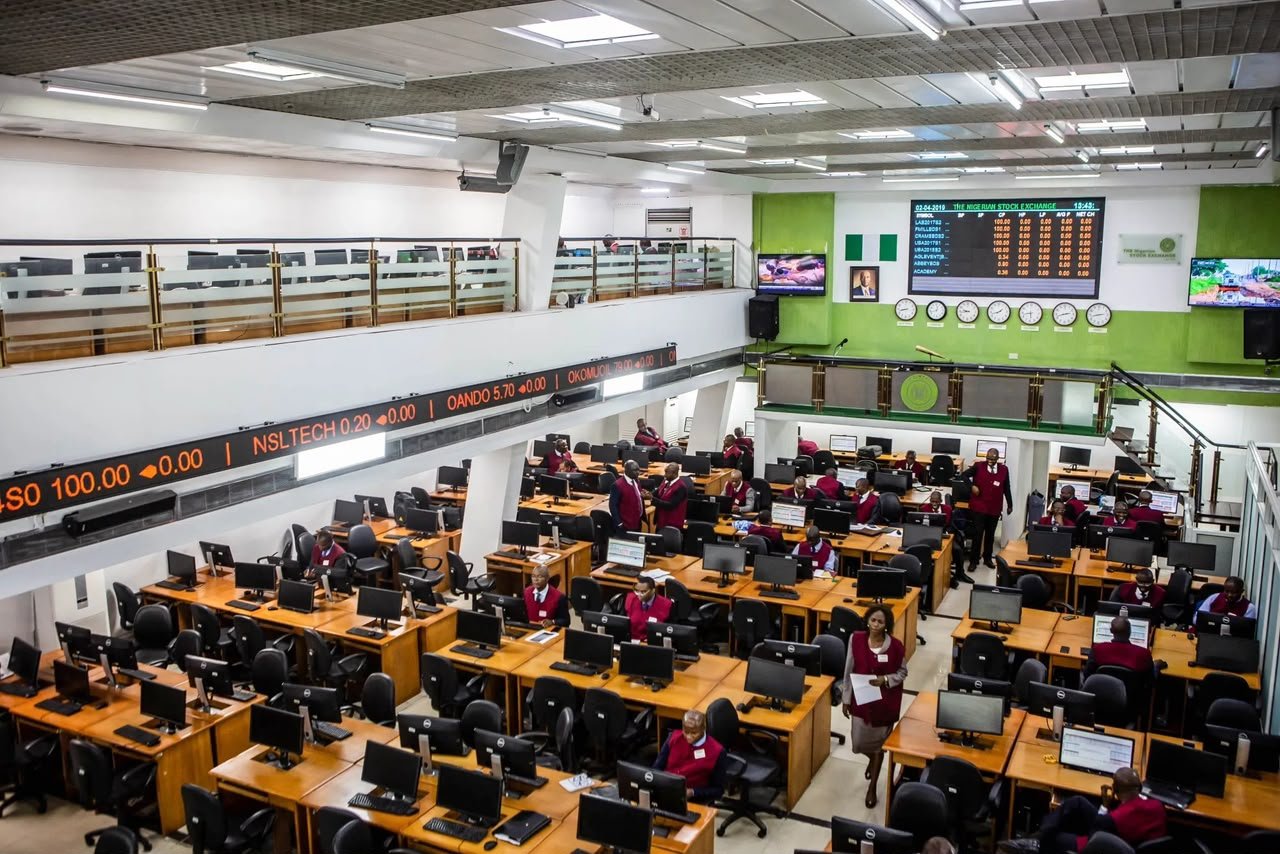
The Nigerian Exchange Limited (NGX) implemented a revised pricing methodology framework for equities trading on Monday, replacing a flat minimum volume threshold with a tiered structure based on stock value.
According to official regulatory releases from the Securities and Exchange Commission (SEC) and NGX, the new rules replace the previous uniform 100,000-unit requirement across all listed equities.
Under the three-tier framework, equities priced at N1,000 and above (Group A) require a minimum threshold of 10,000 units traded to trigger published price movements.
Mid-priced stocks trading between N500 and N999.99 (Group B) require 50,000 units, while shares priced below N500 (Group C) maintain the 100,000-unit minimum traded quantity threshold.
The reform drops the capital needed to shift published prices on premium equities by up to 90%. A N2,000 stock now needs N20 million in volume to move instead of N200 million.
Regulators designed the structure to eliminate price manipulation caused by low-volume trades while reviving liquidity and price discovery for high-value blue-chip equities like Dangote Cement and Seplat Energy.
Daily maximum price movement percentage limits and tick sizes remain unchanged under the approved guidelines, ensuring broader market stability while improving execution efficiency for institutional investors.
The implementation follows West Africa’s broader financial market modernization drive, coming shortly after Nigeria successfully adopted a T+1 settlement cycle to align with international trading standards.