
While Nigeria’s economy recorded a 3.89% GDP expansion in early 2026, the ongoing squeeze on real household incomes continues to stretch basic social safety nets. That is the economic framework underpinning a multi-project initiative set to unfold in Lagos this September.
Kai Orga, a financial services veteran with over 28 years of experience across banking and asset management, is pairing the launch of three new books with a structured N145 million fundraising drive under the (Creating Opportunities and Reinventing Expertise for Youth) CORE Development Initiative. Rather than treating literature and philanthropy as separate end-goals, the initiative uses practical financial literature as an educational catalyst to fund targeted grassroots interventions across education, agriculture, and vocational empowerment.
The Literature: Mapping Wealth, Transitions, and Direction
Drawing from nearly three decades in the financial sector, Orga’s trilogy targets distinct phases of personal financial and career development, connecting daily economic decisions directly to long-term financial stability:
• Trail of Choices: A Winding African Tale with Life Lessons for a Financially Secure Future— Focuses on foundational decision-making and the long-term compounding effects of early economic choices within an African economic context.
• Thrive: Experience Your Best Living Through Life’s Phases to Retirement — Addresses mid-career planning, asset preservation, and the structural management of transition periods leading into retirement.
• Pathfinder: A Guide to Discovering Your Life Map — Serves as a practical blueprint for self-assessment, career trajectory mapping, and strategic goal setting.
Capital Allocation: The N145 Million Pipeline
Instead of relying on unallocated CSR donations, the CORE Development Initiative has published an itemized financial breakdown for its 2026 project pipeline, aiming for transparent benchmark metrics across six key social sectors:
| Project Sector | Target Beneficiaries | Unit Cost | Total Allocation |
| Education Support | 2,000 LEA school children (PTA fees, books, uniforms) | N20,000 / child | N40,000,000 |
| Agricultural Training | 500 women (climate-smart agricultural practices) | N50,000 / woman | N25,000,000 |
| Land Acquisition | 250 hectares of farmland for women cooperatives | N100,000 / hectare | N25,000,000 |
| Vocational Training | 500 youths (ICT, Solar, Welding, Fashion, Plumbing) | N50,000 / youth | N25,000,000 |
| IDP Micro-Loans | 200 displaced women (interest-free capital loans) | N100,000 / woman | N20,000,000 |
| Men’s Empowerment | 200 men (agribusiness, livestock, auto mechanics, POP) | N50,000 / participant | N10,000,000 |
| Total Pipeline | N145,000,000 |
Execution, Scalability, and Economic Impact
Since 2013, CORE Development Initiative has expanded from serving 85 pupils in two schools to supporting over 2,000 vulnerable children annually across 24 schools in Abuja and Jos. CORE delivers mentoring, leadership, confidence building, and academic encouragement to improve learning outcomes.
Through its Adopt-A-Child Project, CORE removes barriers to education for disadvantaged children. It has funded school fees for over 300 pupils, supplied essential learning materials and uniforms, and transitioned high-performing students into private schools to support their continued growth.

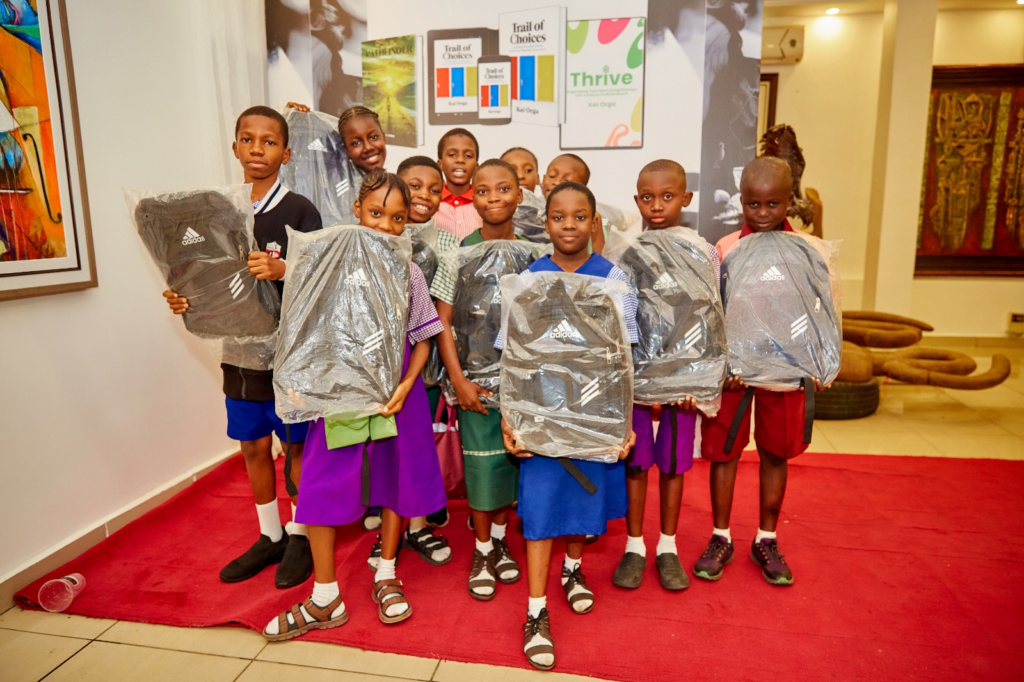
The targeted interventions address acute structural vulnerabilities within the domestic economy. With estimates showing over 18.3 million out-of-school children across Nigeria, basic financial friction such as unpaid PTA fees and textbook costs remains a leading driver of early dropouts. By capping the education intervention at N20,000 per student, the CORE initiative establishes a clear capital-to-outreach ratio aimed at keeping primary pupils enrolled.
Beyond direct education, CORE creates supportive environments by donating over 1,000 books, installing school signage, and providing school bags to 55 students. CORE also advances child wellbeing and dignity through hygiene support and distributing sanitary pads to 20 adolescent girls.
Similarly, as food productivity struggles under decelerating sector growth and rising logistics costs, allocating N50 million toward cooperative farmland acquisition and climate-smart training direct-funds food security at the grassroots level.
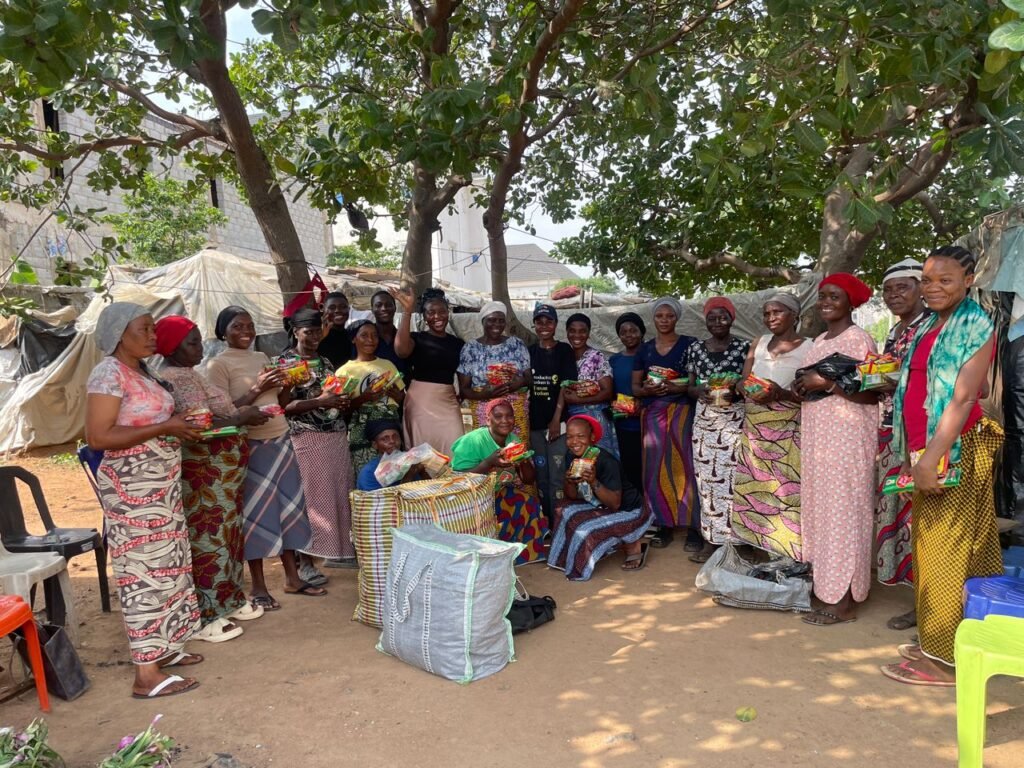
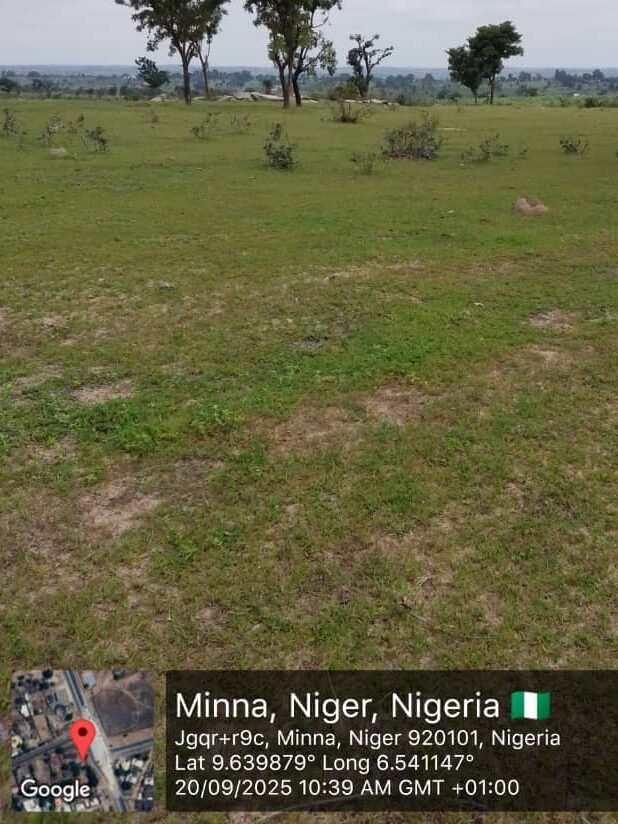
By establishing explicit unit deployment costs such as N20,000 per student or N100,000 per hectare of agricultural land the pipeline sets transparent baseline metrics for corporate supporters. Securing these targets will rely on a tiered partnership model ranging from Gold levels (N1M–N5M) to Hero level commitments (N30M).
The public presentation of the trilogy and the project rollout is scheduled for September 19, 2026, at the Legend Hotel in Ikeja, Lagos, bringing together corporate leaders, development experts, and policymakers.