
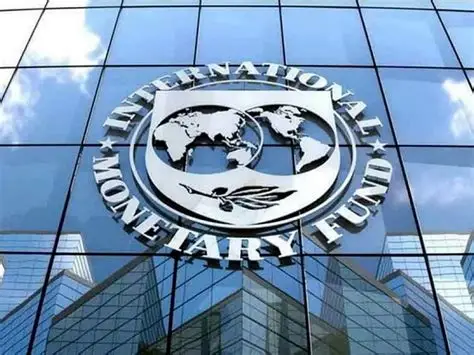
Senegal and the International Monetary Fund have reached a staff-level agreement on a $2.2 billion, three-year financial package aimed at stabilizing the West African nation’s public finances.
The Washington-based lender disclosed the 36-month arrangement on Tuesday, noting the deal remains subject to approval by IMF management and its Executive Board following corrective governance measures by Dakar.
“The main reforms planned under the IMF-supported program aim to restore the viability of public finances while protecting vulnerable households,” the Fund said in an official statement.
Dakar is grappling with severe debt sustainability challenges after total public-sector debt reached 132% of Gross Domestic Product at the end of 2024, driven by unrecorded historical borrowing.
Government audits revealed over $11 billion in hidden debts accumulated under former President Macky Sall, leading the IMF to suspend a previous $1.8 billion facility agreed upon in 2023.
Despite structural headwinds, Senegal’s fiscal deficit narrowed from 13.4% of GDP in 2024 to 6.4% in 2025 as President Bassirou Diomaye Faye’s administration rationalized public expenditures.
Economic growth accelerated to 6.7% in 2025, buoyed by the country’s first full year of offshore oil production, though non-hydrocarbon sector expansion slowed sharply to 2.2%.
To restore debt sustainability, Finance Minister Cheikh Diba announced plans to seek an enhanced G20 Common Framework debt treatment, characterizing it as a tailored liquidity mechanism rather than traditional debt restructuring.
Market reactions were immediate as sovereign Eurobonds plummeted below 50 cents on the dollar following the debt treatment announcement and a credit rating downgrade by Moody’s to Caa2.
Unlocking the funds requires Senegal to secure partner financing assurances and execute mandatory corrective actions to obtain an official IMF waiver regarding historical data misreporting.
“The agreement remains subject to IMF Management and Executive Board approval, and it requires decisive corrective actions to support the authorities’ request for a waiver in the misreporting case prior to Executive Board approval. It also requires the receipt of the necessary financing assurances from Senegal’s partners.” IMF said.