Uganda’s trade deficit widened 26.9% year-on-year to $304.0 million in July 2026, as robust import demand outpaced export performance despite posting its narrowest monthly trade gap since April.
Data released by the Bank of Uganda showed merchandise imports surged 12.5% year-on-year to $1,703.2 million, exceeding total exports of $1,399.2 million, which grew 9.8% over the same period.
The external deficit expanded by $64.5 million from $239.5 million recorded in July 2025, underscoring persistent structural imbalances in the East African nation’s international merchandise trade.
However, July’s performance reflected a month-on-month improvement, recording the smallest trade deficit since April, following elevated capital imports and heavy energy sector purchases during the second quarter.
The elevated import bill continues to be driven by capital equipment for infrastructure projects, refined petroleum products, and intermediate industrial inputs required by local manufacturing firms.
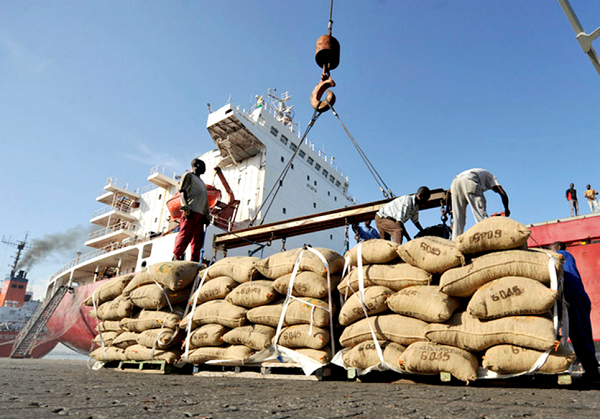
Export earnings gained support from higher coffee shipments and agricultural output, alongside robust regional trade within the East African Community, though gains proved insufficient to match import growth.
The ongoing merchandise deficit keeps structural pressure on the Ugandan shilling and national foreign exchange reserves, challenging central bank efforts to maintain exchange rate stability.