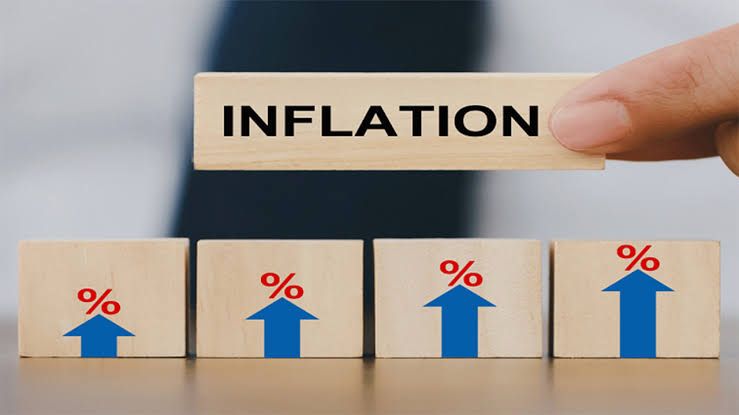

Nigeria’s headline inflation rate eased to 15.39% year-on-year in August, extending a sustained macroeconomic cooling trend driven by improved foreign exchange stability.
Data released by the National Bureau of Statistics on Tuesday show the annual pace slowed significantly from July’s print, signalling relief for consumers across Africa’s largest economy.
On a month-on-month basis, consumer prices rose by just 0.71%, pointing to a marked contraction in short-term inflationary pressure compared to previous quarters.
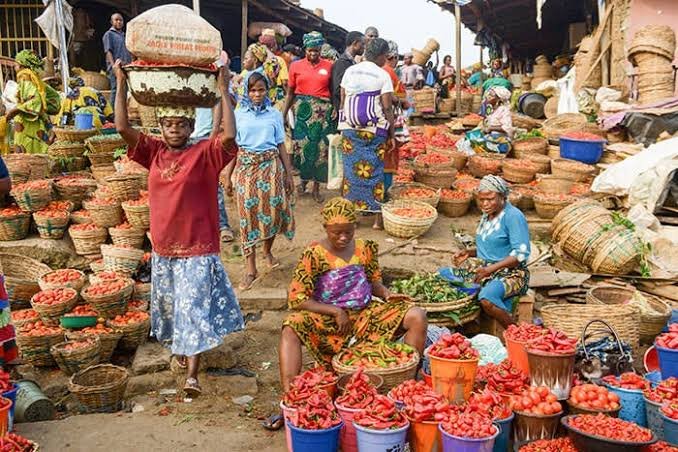
Food inflation, the primary driver of household hardship, eased to 19.57% year-on-year, while its monthly pace moderated sharply to 1.02%.
Analysts attribute the deceleration directly to seasonal agricultural harvests entering domestic markets alongside the Central Bank’s tightening monetary stance and robust foreign exchange reserves.
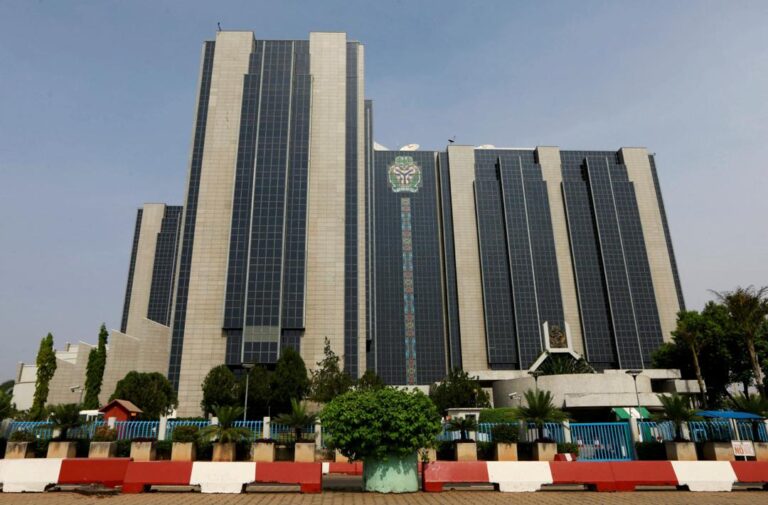
Foreign exchange reserves recently crossed the $53 billion threshold under Governor Olayemi Cardoso, reinforcing the naira and dampening imported inflation costs on retail goods.
Despite these macroeconomic gains, structural bottlenecks including logistics hurdles and high energy tariffs continue to test corporate margins and consumer purchasing power nationwide.