
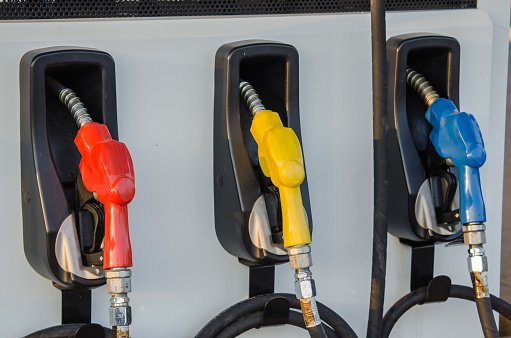
Nigeria will sell petrol at cost through NNPC stations for 30 days, with public transporters first in line, as pump prices hover near N1,400 a liter.
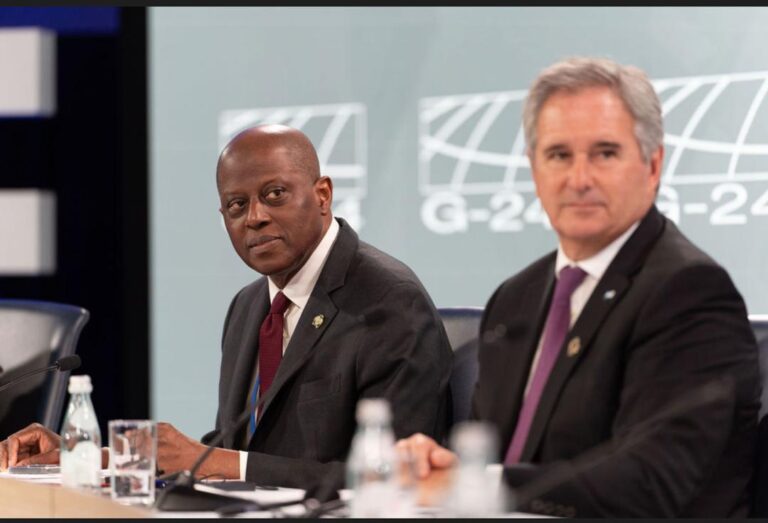
Finance Minister Taiwo Oyedele announced the step on Thursday in Abuja, according to Punch and Channels Television. He said it is a margin discount, not a subsidy.
The Presidency later confirmed the measure has President Bola Tinubu’s backing. NNPC Retail will drop its profit margin for the period.
If landing cost is N1,300 a liter, the product sells at N1,300, the Presidency said. Priority goes to commercial vehicles nationwide.
“We are offering a discount on petrol dispensed by NNPC Limited for the next 30 days in the first instance with priority for public transporters nationwide.” The minister said.
Oyedele was explicit. “It’s not a subsidy; government is just saying we sell to you at cost.” The old petrol subsidy ended on 29 May 2023.
A second tool is a negotiated N1,350 ceiling on ex-gantry or landing cost, reviewed monthly and published.
When costs exceed that ceiling, refiners and importers carry the gap and recover it later if crude or the naira eases. He called this price modulation, not price control.
His stated logic: N1,400 today and N1,400 tomorrow beats N1,500 today and N1,300 tomorrow, because sharp fare rises rarely reverse fully.
NNPC had already cut pump prices by N5 the same morning. Lagos and Rivers stood at N1,355; Abuja at N1,370; Yobe at N1,435.
Oyedele said petrol had moved from about N830 a liter toward an average of N1,400 after crude rose from roughly $70 a barrel.
The government has also waived taxes and duties on petrol, a relief he valued at more than N3.3 trillion through 30 September 2026.
The package sits inside 10 measures, including forward crude sales to domestic refiners once previously committed barrels free up.
Labour is not waiting. The Nigeria Labour Congress on Wednesday gave the government two weeks from Friday to cut petrol toward 2024 wage-era levels and reopen minimum-wage talks.
Opposition groups were sharper. The Nigeria Democratic Congress (NDC) and the Obidient Movement called the 30-day window tokenism and an election-season subsidy by the back door.
Dangote Refinery had raised its ex-gantry price in September, then cut it by N25, forcing NNPC to reprice. Marketers still fear private-depot costs will keep retail sticky.
The open question is arithmetic. A forgone margin for 30 days is cheaper than the old subsidy, but a hard N1,350 ceiling only works if importers can truly recover later.