

IMF African Department officials said discussions on Senegal’s debt treatment are advancing constructively and described Nigeria’s recent monetary policy adjustment as appropriate, while warning that broad fuel subsidies remain costly and poorly targeted.
Speaking at the Bangkok press briefing on the October Regional Economic Outlook Update earlier this week, Zeine Zeidane, Director of the African Department, told reporters, “We are in a very good place. We have reached a Staff-Level Agreement.”
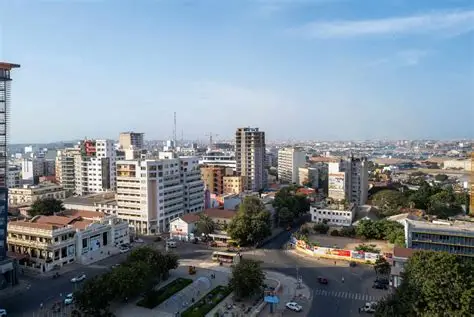
He added that Senegal’s authorities have hired financial advisers and expressed interest in treatment under the Common Framework. “Yesterday was the first meeting of the GSDR, the Global Sovereign Debt Roundtable, with the main bilateral official creditors of Senegal who were in the room. The discussion was positive.”
Financing assurances from the official creditor committee would open the way for Board approval of the programme. Zeidane noted that existing GSDR tools and templates could help speed subsequent bilateral negotiations, though no fixed timeline is guaranteed.
On Nigeria, Deputy Director Montfort Mlachila linked the upgraded growth outlook of 4.2% in 2026 and 4.% in 2027 to stronger oil receipts, improved reserves and liquidity, with services as the principal driver and inflation falling sharply from high levels.
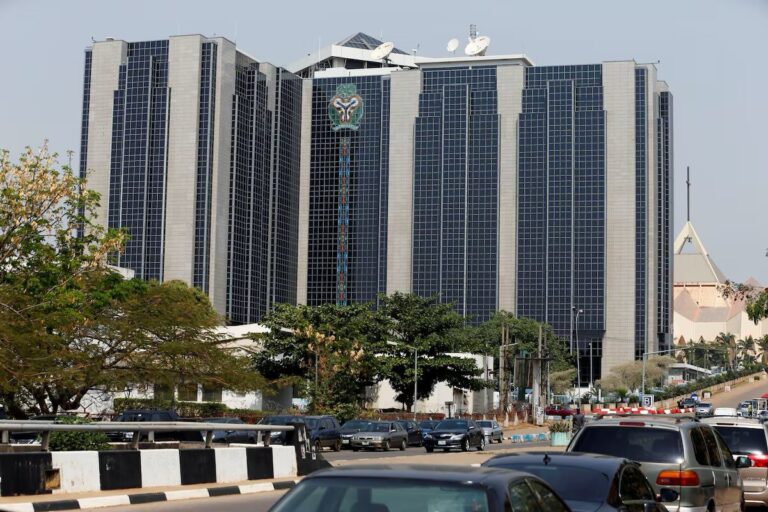
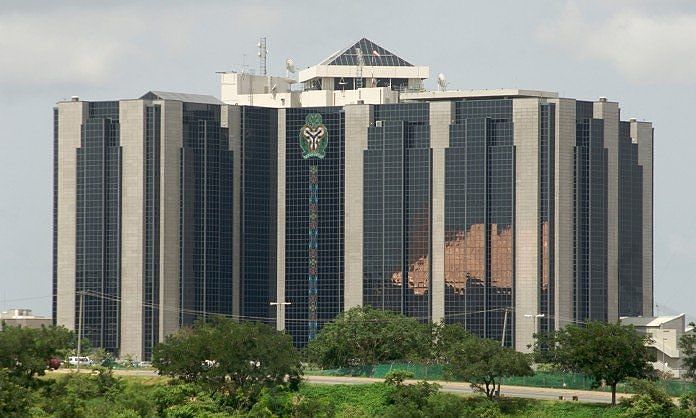
Zeidane addressed the Central Bank’s move to lower the policy rate from 26.5% to 23%. “They decided to normalize somewhat of the monetary policy to go to something to lower that real interest rate, which is appropriate, in our view. This is the right thing to do. And it’s not easing yet, because the stance itself remains at tightest.”
He reiterated that energy subsidies typically benefit wealthier households. An illustrative scenario in the report shows generalized fuel-price smoothing can cost about 4% of GDP, while transfers delivering the same benefit to the poorest 40% of the population cost at most 0.5 %.
“Resilience is not immunity,” Zeidane said earlier in his opening remarks. “The region’s resilience is real, and it reflects difficult reforms and remarkable adaptation.” He urged governments to protect the vulnerable without sacrificing future growth-enhancing investment.
Meanwhile, Ghana’s first-half growth near 6.2 %, inflation within the target band and solid fiscal performance support the 5.7 percent projection for 2026, Mlachila said, with gold prices providing an additional cushion despite the country’s net-importer status.
Zeidane confirmed strong performance under Ghana’s Policy Coordination Instrument so far and a recent sovereign upgrade, placing the country in a better position to weather commodity-price risks.
Ongoing disruptions linked to the Middle East conflict have kept oil prices elevated, amplifying the divergence between exporters and importers already visible across the region. The IMF continues to offer financing, advice and capacity development tailored to individual country circumstances.