Nigeria’s health ministry confirmed on Tuesday its first case of Ebola virus disease in the current outbreak, involving a woman who arrived in Abuja from Uganda. The patient developed symptoms on 7 October, was admitted to a private hospital on 11 October, and tested positive for the Bundibugyo strain on 20 October.
She is in isolation receiving care. Authorities have identified 44 contacts, including healthcare workers and fellow travelers, and contact tracing is under way.
Hours after the announcement, Uganda’s Ministry of Health posted a public statement: “Public Statement on Reported Ebola Case In Nigeria: We Call For Calm and Vigilance. Uganda has No cases of Ebola.” A Ugandan government spokesperson separately stated there is no Ebola in Uganda. Investigations into the Nigerian patient’s precise exposure history continue.
The case marks the latest cross-border extension of an outbreak that began in the Democratic Republic of the Congo in mid-May 2026. The DRC has reported more than 9,500 confirmed cases and roughly 4,600 deaths from Bundibugyo virus, with a case-fatality rate near 48 percent.
Cases have been recorded across at least eight provinces, concentrated in Ituri and North Kivu. This is the second-largest Ebola outbreak on record and has been described by Africa CDC as the most geographically extensive in history.
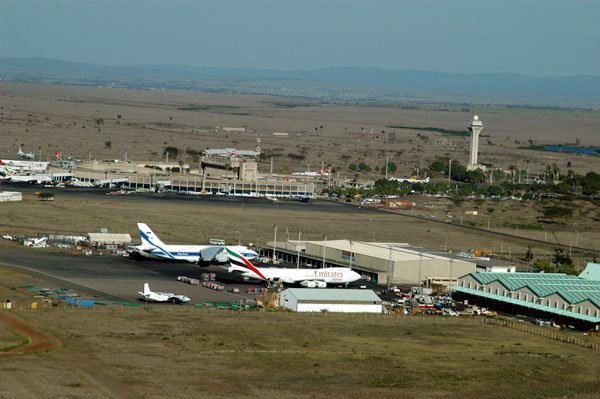
Kenya has reported nine confirmed cases this month, all linked to a single cluster originating from a traveler who moved from the DRC through Uganda to Nairobi. One death occurred; the remaining cases have stayed within known contacts, with intensive tracing and monitoring in place. Uganda itself recorded approximately 20 cases, mostly imported, in May and June before the World Health Organization declared its outbreak over in late August after 42 days without new infections.
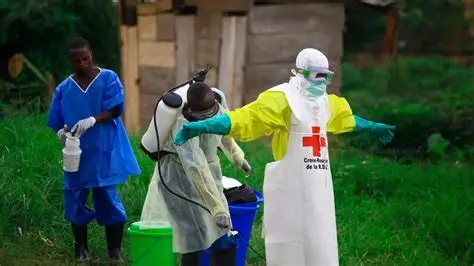
No licensed vaccine or specific treatment exists for Bundibugyo virus. Response relies on isolation, supportive care, contact tracing, and infection prevention. Experimental vaccines and therapies are in trials, but none are authorized for routine use.
Africa CDC Director-General Jean Kaseya has called for urgent international support, including flexible financing, medical supplies, and responders, while mobilizing assistance for Nigeria.
Nigeria previously contained an Ebola outbreak in 2014. Health officials there say surveillance at entry points and isolation capacity have been strengthened in response to the regional alerts. WHO’s African Region office confirmed the Nigerian case and noted that the country is the fifth to detect the virus since the DRC declaration.
The pattern of spread has been driven by travel during the incubation period via air and land routes connecting the DRC epicenter through Uganda to other countries.
With no approved countermeasures specific to this strain and ongoing transmission in eastern Congo amid conflict and infrastructure challenges, health authorities across the region face continued risk of further imported cases.