Nigeria aims to reduce headline inflation to single digits before the end of 2027, paving the way for lower interest rates to ease borrowing costs and spur growth in Africa’s largest economy.
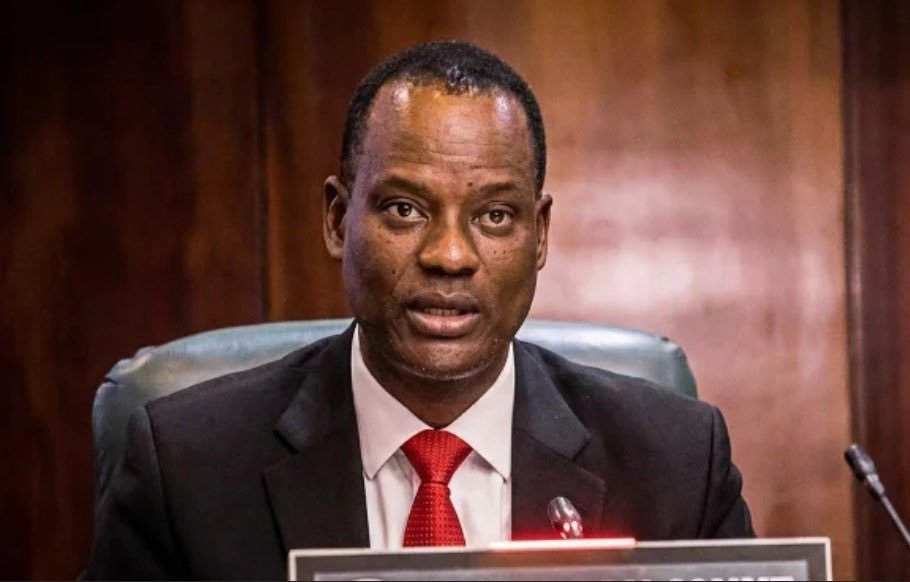
Finance Minister Taiwo Oyedele disclosed the target on Monday during the Nigeria Economic Summit, emphasizing that single-digit credit rates are vital to expanding private sector investment and easing sovereign debt burdens.
“If you are growing at 4.43% and borrowing at close to 30%, imagine what is possible when you borrow at single-digit rates,” Oyedele said while outlining the administration’s medium-term macroeconomic outlook.
Headline inflation in West Africa’s largest economy slowed for the fourth consecutive month to 14.63% in September 2026, down from 15.39% in August, according to official data.
Despite the disinflation trend, commercial lending rates remain elevated near 30%, while the Central Bank of Nigeria maintains its Monetary Policy Rate at 23% to anchor inflation expectations ahead of upcoming national elections.
Fiscal authorities calculate that bringing benchmark interest rates down to single-digit levels could save the federal government over $10 billion in debt-servicing obligations over the medium term.
The single-digit inflation target forms a cornerstone of structural reforms implemented under President Bola Tinubu, including currency devaluation, energy subsidy removal, and fiscal transparency frameworks.
Market analysts note that achieving the 2027 objective will depend on sustained fiscal-monetary policy coordination as the central bank transitions toward an explicit inflation-targeting regime.