
Nigeria’s annual headline inflation slowed to 14.06% in October 2026, down from 14.63% in September, extending the country’s disinflation trend for a fifth consecutive month.
Data released on Monday by the National Bureau of Statistics (NBS) showed the headline index fell 0.57 percentage points year-on-year, standing 4.91 percentage points below October 2025’s 18.97 percent rate.
Despite the annual slowdown, monthly price pressures accelerated, with month-on-month headline inflation rising to 0.43% in October compared to 0.06% recorded in September.
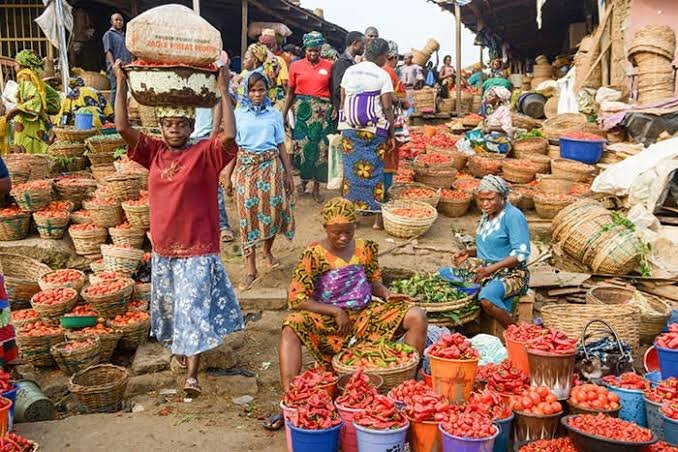
Food inflation moderated to 19.13% year-on-year from 19.59% in September, while month-on-month food prices contracted by 0.75%, signaling welcome seasonal harvest relief across key agricultural markets.
Core inflation, which excludes volatile agricultural produce and energy costs, also declined to 10.78% annually from 12.95% in September, contracting 0.53% on a monthly basis.
The sustained disinflation reflects improved foreign exchange stability and domestic fuel refining capacity, which have cushioned Africa’s largest economy against external supply shocks.
Cooling consumer prices also validate the Central Bank of Nigeria’s September decision to slash its benchmark Monetary Policy Rate by 350 basis points to 23%, its steepest cut since 2007.
With the Monetary Policy Committee scheduled to meet next week on November 24, October’s softer inflation print gives policymakers additional room to balance price stability with credit expansion.
Across states, Lagos recorded 31.43% annual food inflation, the second highest nationwide, though monthly food prices in the commercial hub dropped sharply by 5.93%.