
African nations can reduce their sovereign debt burdens by borrowing more, provided new loans fund growth-boosting projects rather than recurrent spending, global policy advisers said on Wednesday.
In a joint report, Africa’s Development Dynamics 2026: Managing Debt for Transformation, the African Union Commission (AUC) and the Organisation for Economic Co-operation and Development (OECD) argued that productive investments strengthen public finances over time.
Public debt across Africa reached 62% of gross domestic product in 2025, returning to levels last recorded before the major debt-relief initiatives of the early 2000s.
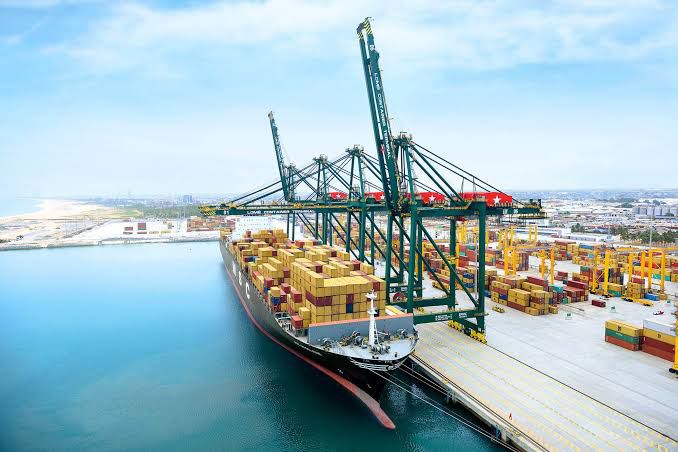
Rather than slashing capital expenditure, governments should channel borrowed funds into infrastructure, industrial capacity, and value chains that expand employment, economic output, and long-term tax revenues.
The report notes that Africa’s debt profile has grown costlier and more complex, as domestic debt and commercial lending replace traditional, lower-cost concessional loans from official bilateral partners.
Between 2010 and 2023, median domestic debt rose from 44% to 56% of total obligations, while average debt-servicing costs more than doubled to consume 10% of government revenues.
Sovereign defaults also climbed to 5% of Africa’s GDP in 2023, outpacing Latin America at 2.1% and developing Asia at 0.5%, underscoring acute fiscal strain across vulnerable economies.
Still, improved macroeconomic momentum offers room for targeted investment. Earlier this month, the African Development Bank raised Africa’s 2026 real GDP growth forecast by 0.4 percentage points to 4.6%.
Meanwhile, the International Monetary Fund’s October 2026 regional outlook highlighted diverging recovery speeds between resource-intensive economies and diversified markets, making capital allocation efficiency critical for debt sustainability.
To prevent new borrowing from triggering fresh distress, the AUC and OECD urged policymakers to deepen local capital markets, improve debt transparency, and deploy blended finance instruments.
Ultimately, the organisations concluded that improving risk perceptions and lowering borrowing costs will determine whether African states turn sovereign debt into an engine of structural transformation.