
By: ThinkBusiness Africa
South Africa’s business sector is grappling with a renewed spike in input costs, as the Producer Price Index (PPI) registered a year-on-year (yoy) increase to 2.9% in October, climbing from 2.3% in September.
The rise, driven primarily by cost pressures in the food and energy sectors, signals that factories, farms, and manufacturers are paying more to produce goods, a cost that is likely to be passed on to consumers in the coming months.
The data for October 2025, released by Statistics South Africa on Wednesday, highlights specific components that contributed most significantly to the higher PPI figure:
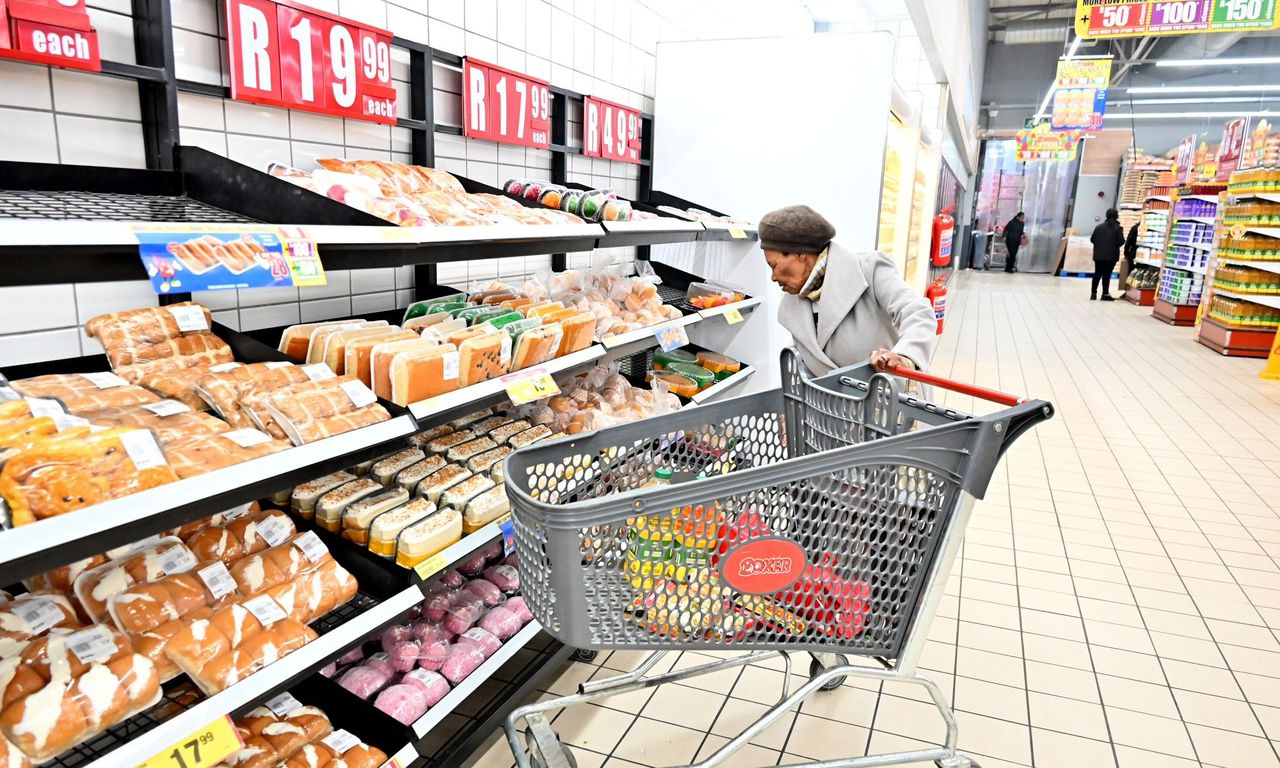
The Food, Beverages, and Tobacco Products component was the single largest positive contributor (3.1% contributing 0,9 of a percentage point) to the annual inflation rate for final manufactured goods. Producers in this sector saw their costs rise, which typically leads to higher prices on supermarket shelves.
Coke, Petroleum, Chemical, Rubber, and Plastic Products segment contributed (2.5%) 0,5 of a percentage to the annual PPI increase. This points to higher costs for essential raw materials and fuel, impacting almost every manufacturing sector from plastics packaging to agricultural chemicals.
While the Intermediate Manufactured Goods category, which includes semi-finished products used by other manufacturers, contributed 0,5 of a percentage point.
While the overall PPI figure for October showed an acceleration on a yearly basis, Statistics SA noted that the index decreased slightly by 0.1% month-on-month, suggesting some short-term moderation in price growth compared to September.
Economists suggest that the recent appreciation of the Rand and the decline in Brent crude oil prices may have provided some relief on the petroleum side of the equation, helping to prevent the PPI from rising even higher. However, the underlying increases in core manufacturing and utility costs continue to drive overall inflationary pressure in the South African economy.