
By: ThinkBusiness Africa
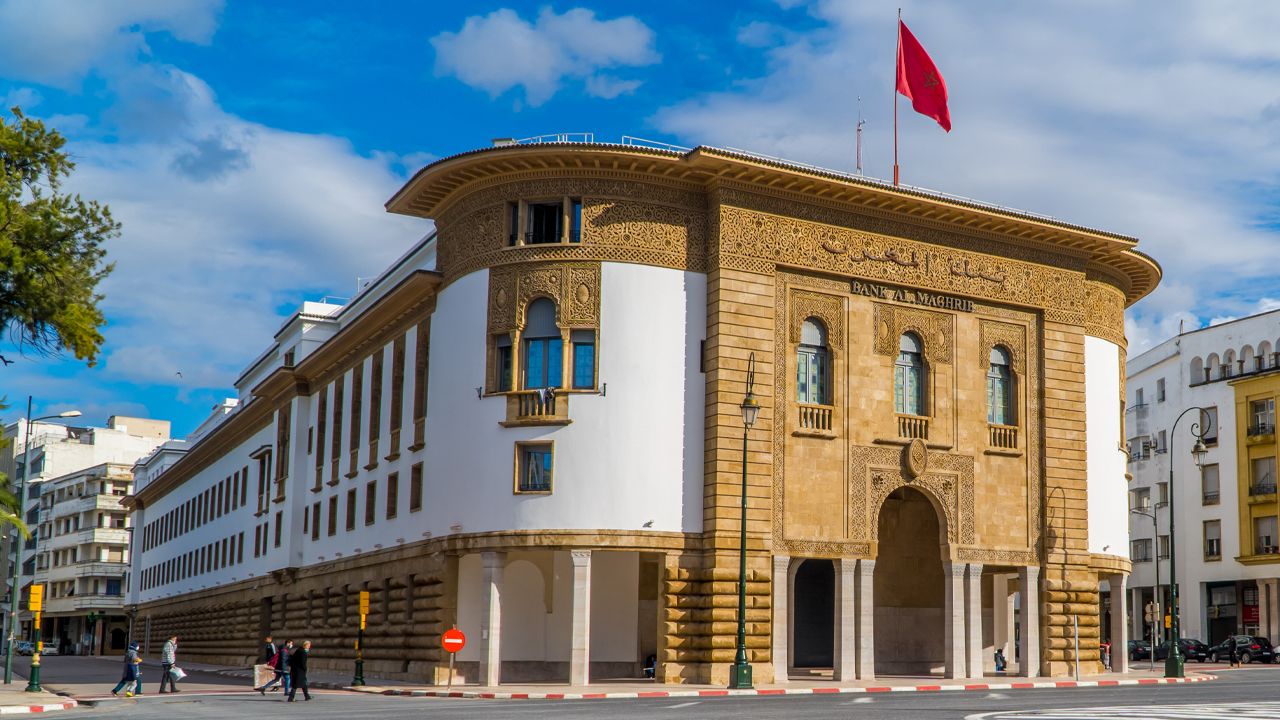
Morocco’s central bank, Bank Al-Maghrib (BAM), announced on Tuesday that it has kept its benchmark interest rate unchanged at 2.25% for the third consecutive quarterly meeting, maintaining its accommodative stance amid contained domestic inflation and robust economic growth forecasts.
The decision, made at the final Monetary Policy Board meeting of the year, signals the bank’s confidence in the current monetary conditions, which it views as appropriate for supporting economic activity while ensuring price stability.
A primary factor in the Board’s decision was the evolution of the inflation outlook. Inflation has remained low, averaging 0.8% over the first ten months of 2025, and BAM projects that overall inflation will remain at 0.8% for the full year 2025.
While inflation is currently low, BAM projects a gradual acceleration in the following years, rising to an estimated 1.3% in 2026 and 1.9% in 2027. This rise is expected to be managed and remains within the bank’s comfort zone.
BAM said that the previous rate cut of 25 basis points in March 2025, had only a “partial transmission” to commercial lending rates, suggesting that there is room for the full impact of earlier easing to filter through the economy before any further policy action is needed.
The North African nation’s bank lending to the non-financial sector is expected to accelerate, rising 4.1% in 2025 and 5% in both 2026 and 2027.
In a significant positive sign, the central bank revised its economic growth forecasts upward, Specifically, the central bank projected that Real GDP Growth would accelerate significantly to 5.0% in 2025.
This strong performance is expected to be led by the Non-Agricultural Growth sector, which is also forecasted to expand by 5.0% in the same year. Looking further ahead, the medium-term average for economic growth, covering the years 2026 and 2027, is projected to remain robust at 4.5%.
The bank said the current account deficit will shrink to 1.8% of GDP this year and remain below 2% of GDP in 2026 and 2027, thanks to a drop in energy imports and a surge in exports of phosphates, fertilizers and cars, in addition to increased tourism revenue and remittances by Moroccans abroad.
Morocco’s foreign exchange reserves are expected to grow to $49 billion by 2027, providing 5.5 months of import cover.
The current monetary policy is expected to hold through the next quarter, with attention now turning to the government’s continued structural reforms and public investment efforts to sustain the non-agricultural growth momentum.