
By: ThinkBusiness Africa
Kenya’s Gross Domestic Product (GDP) grew 4.9% year-on-year in the third quarter of 2025, according to data released by the Kenya National Bureau of Statistics (KNBS) on Tuesday.
The performance marks a significant strengthening compared to the 4.2% growth recorded in the same period of 2024, signaling a robust recovery for East Africa’s largest economy despite persistent fiscal challenges.
According to the report, the primary driver of the third-quarter expansion was the Agricultural sector, which grew by 3.2%. This resilience was supported by favorable weather conditions that boosted milk and crop production.
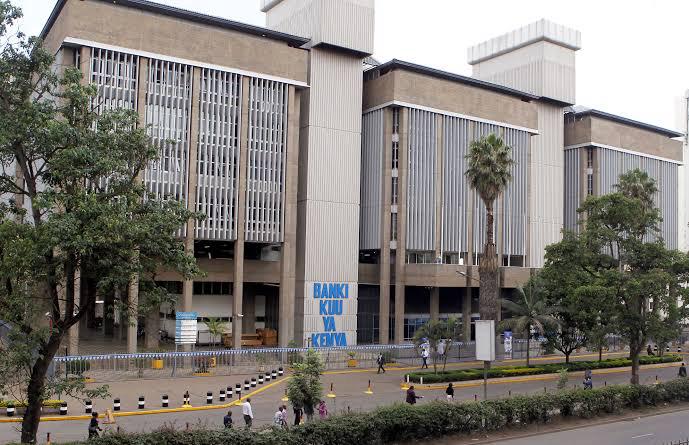
The acceleration in growth coincides with an aggressive monetary easing cycle by the Central Bank of Kenya (CBK). Throughout 2025, the Monetary Policy Committee (MPC) implemented a record-breaking streak of interest rate cuts.
By the end of Q3 2025, the Central Bank Rate (CBR) had been lowered to 9.50% (and eventually 9.00% by December), down from highs of 13.00% in 2024. A total of 225 basis points reduction.
These cuts successfully lowered commercial lending rates – Falling from 17.2% in late 2024 to 14.9% by late 2025. Credit growth to the private sector rebounded to 6.3% by November, after having dipped into negative territory earlier in the year.
However, while monetary policy is doing the ‘heavy lifting’ to support growth, the government must still navigate high debt distress risks, with public debt hovering around 68.8% of GDP.
While the growth figures are optimistic, the report highlights a “delicate crossroad” for the National Treasury. The fiscal deficit for the 2024/25 period widened to 5.9% of GDP, missing the original target of 4.3%.
Last November, the World Bank revised Kenya’s growth forecast for 2025 upwards to 4.9%. This projection, a notable increase from the earlier May estimate of 4.5%.
Buoyed by the Q3 results, the CBK has upgraded its full-year growth forecast for 2025 to 5.2%, with a further rise to 5.5% anticipated in 2026.
This trajectory places Kenya among the fastest-growing economies in the region, provided it can maintain its current path of inflation moderation and currency stability.