By: ThinkBusiness Africa
Nigerian households are showing renewed economic optimism as the new year begins, with consumer confidence projected to rise to 16.4 points over the next three months. This positive outlook is primarily driven by anticipated improvements in family income, personal financial situations, and broader economic conditions.
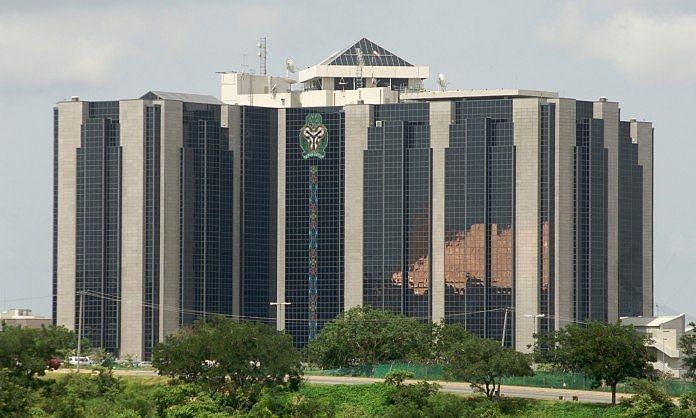
This is according to the December 2025 Household Expectations Survey from the Central Bank of Nigeria (CBN), The recent findings mark a significant shift in the national mood. In December 2025, the Overall Consumer Sentiment index rose to 4.8 points, up from 1.9 points in November. This reflects the second consecutive month of optimism since May 2024, suggesting a potential long-term recovery in consumer confidence.
The index for broader economic conditions jumped to 9.7 points in December, compared to 6.3 in the previous month. Also, Sentiment regarding household earnings grew to 10.2 points.
While still in negative territory, the Family Financial Situation Index improved significantly from -10.3 to -5.4 points, signaling a decrease in household pessimism.
“Over the next three months, consumer optimism is expected to rise to 16.4 points, driven by anticipated improvements in family income, economic conditions, and financial situations.” The report noted.
Despite the growing optimism, households remain wary of price levels. The Consumer Sentiments Index for prices improved slightly to -1.4 points in December, indicating a perception that while prices remain high, the rate of increase is moderating.
However, this relief may be temporary. Consumers anticipate that the average prices of selected items will rise over the next six months. Prices for essential items like Food & Other Household Items were perceived as low in December (-25.3 points), but expectations for the next quarter show a potential tightening of market conditions.
As confidence grows, Nigerian families are focusing their spending on necessity rather than luxury. The expenditure outlook for the next three to six months remains dominated by basic needs: Food, Education and Transportation.
According to the report, there is still a notable “limited willingness” to spend on big-ticket items. Indices for purchasing houses (-63.0), vehicles (-61.3), and investments (-39.6) remain pessimistic, though they are expected to see moderate improvements by mid-2026.
The upward trajectory is expected to continue well into the year. The consumer outlook for June 2026 is even more robust, reaching 20.7 index points. This long-term optimism suggests that if current economic trends hold, the Nigerian economy could see a substantial increase in consumer activity and broader macroeconomic stability in the months to come.
The rise in optimism is closely tied to a cooling inflation environment. National Bureau of Statistics (NBS) data shows that 2025 was a year of aggressive “disinflation,” largely aided by favorable base effects and improved harvests.
By November 2025, the annual headline inflation rate had dropped for eight consecutive months to 14.45%, significantly down from the 34.60% recorded in November 2024.
Food inflation, the most volatile component of the basket, saw an even more dramatic decline, falling to 11.08% in November 2025—a massive drop from the near 40% levels seen the previous year.