
By:ThinkBusiness Africa
The government of Madagascar officially lifted a 16-year moratorium on the issuance of new mining permits late Thursday. The decision reopens one of the world’s most resource-rich nations to international investors, though the government notably excluded gold from the new directive.
The suspension, which had been in place since November 2010, was originally intended to curb corruption and “speculative” permit holding during a period of intense political transition.
However, the freeze resulted in a massive administrative logjam, with approximately 1,650 permit applications left pending as of the end of 2025.
The latest reopening of new mining permits comes with full implementation of the 2023 Mining Code. This updated legal framework seeks to strike a balance between investor security and state revenue.
Under this framework: the government now holds a 15% non-dilutable stake in mining projects. Royalties and rebates have been adjusted, typically totaling around 5% (a 3% royalty and 2% mining rebate).
New protections for investors aimed at ending the “arbitrary and discretionary” permit process that Transparency International previously warned was a breeding ground for corruption.
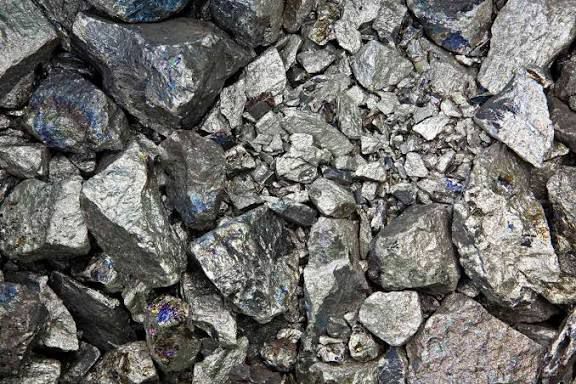
While permits for nickel, cobalt, graphite, and rare earths are now moving forward, the gold sector remains frozen. Minister of Mines Carl Andriamparany cited a massive disconnect between official data and reality.
“According to official statistics for the past year… the volume of gold declared amounts to just over 13 kilograms,” Andriamparany stated. “In light of this situation, the government has acknowledged our current inability to effectively regulate the sector.”
The “negligible” official figure stands in stark contrast to the thousands of miners active across the South African island nation, suggesting that the vast majority of Madagascar’s gold is being smuggled out through unregulated black markets.
Major players already on the ground, such as Rio Tinto (QMM) and Ambatovy, have recently negotiated updated terms with the state. The lifting of the ban is expected to trigger a wave of Final Investment Decisions (FIDs) from junior miners who have been waiting over a decade to transition from exploration to active extraction.
The reopening of the mining sector is a high-stakes gamble for President Andry Rajoelina’s administration. As it promises to boost a sector that currently contributes less than 5% to the national GDP.