
By: ThinkBusiness Africa
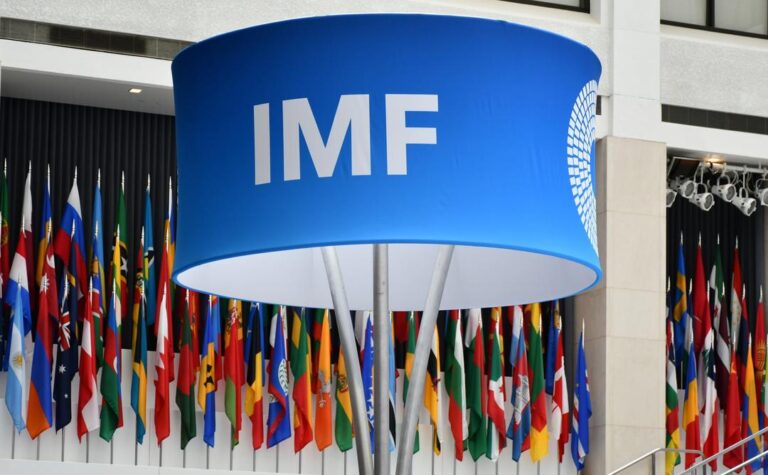
The International Monetary Fund (IMF) and Zimbabwean authorities reached a staff-level agreement on Friday, on a new 10-month Staff-Monitored Program (SMP), aimed at
Zimbabwe’s economic reintegration
According to a statement from the IMF, the agreement follows ten days of intensive negotiations in Harare led by IMF mission chief Wojciech Maliszewski. The program aims to provide a “policy anchor” for the government’s National Development Strategy 2 (NDS2), focusing on stabilizing the volatile exchange rate and curbing inflation.
Because Zimbabwe currently holds over $21 billion in external debt and arrears, it remains ineligible for direct financial loans from the IMF. The SMP serves as a vital “testing ground” to prove the country’s commitment to reform.
“The proposed 10-month program seeks to consolidate recent stabilization gains, further strengthen fiscal and monetary policy frameworks, improve foreign exchange market functioning, and advance governance reforms to support stronger and more inclusive growth.” Maliszewski said.
The IMF team noted that Zimbabwe’s economic recovery has gained momentum, with inflation dropping to 4.1% in January 2026. The new program sets ambitious targets for the remainder of the year:
Growth is expected to remain steady at approximately 5%, with inflation projected to stay in the single digits.
To meet the requirements of the agreement, the Zimbabwean government has committed to several rigorous structural changes:
- The Reserve Bank of Zimbabwe (RBZ) will continue to restrict the money supply and transition toward a more market-determined exchange rate for the ZiG (Zimbabwe Gold) currency.
- The 2026 budget will prioritize “cash budgeting,” ensuring spending does not exceed revenue collection to avoid new domestic debt.
- New measures will be introduced to manage fiscal risks from State-Owned Enterprises (SOEs) and enhance the reporting of public debt.
In a nod to the impact of reforms on the public, the IMF emphasized that a portion of fiscal savings must be redirected to protect the most vulnerable populations.
The agreement now moves to IMF Management for formal approval, which is expected by March 2026.
While local business leaders have expressed “cautious optimism,” many recall the 2019 SMP that was abandoned after the country failed to meet its targets.
The next 10 months will be a high-stakes period for Harare as it attempts to convince the world that this time, the reforms are here to stay.