
By: ThinkBusiness Africa
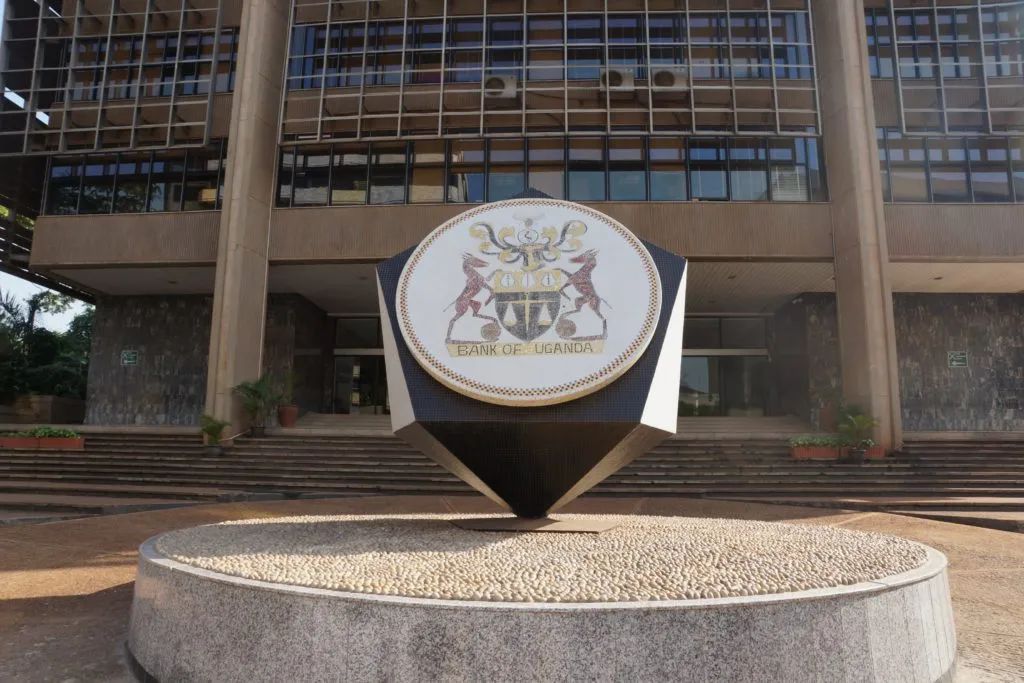
The Bank of Uganda (BoU) on Monday maintained its benchmark Central Bank Rate (CBR) at 9.75% for the sixth consecutive meeting. The decision signals a “wait-and-see” approach by the Monetary Policy Committee (MPC) as the nation navigates a slight uptick in domestic prices and prepares for a transformative shift toward oil production.
While the BoU maintains a medium-term inflation target of 5%, recent data suggests a minor shift in price dynamics. Annual headline inflation rose to 3.2% in January 2026, up from 3.1% in December. Core inflation, which excludes volatile food and energy prices, also edged higher to 3.3%.
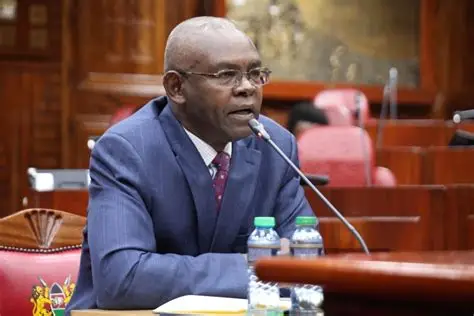
“The current monetary policy stance remains appropriate to contain inflation within the target while supporting the recovery of the economy,” noted Governor Michael Atingi-Ego during the policy announcement.
The central bank and the Ministry of Finance have slightly revised their near-term growth expectations. While earlier optimistic forecasts suggested double-digit growth, the 2026 real GDP projection has been moderated to a range of 6.5% – 7.0%.
The adjustment reflects a more cautious assessment of global trade barriers and a slight shift in the timeline for “first oil,” now widely expected by mid-to-late 2026. Despite this revision, Uganda remains one of the fastest-growing economies in Sub-Saharan Africa.
For the private sector, the hold at 9.75% means that commercial bank lending rates—which have historically averaged near 20% in Uganda—are unlikely to see relief this quarter.
High borrowing costs continue to act as a headwind for local firms in the Manufacturing & Construction sector looking to expand ahead of the oil boom.
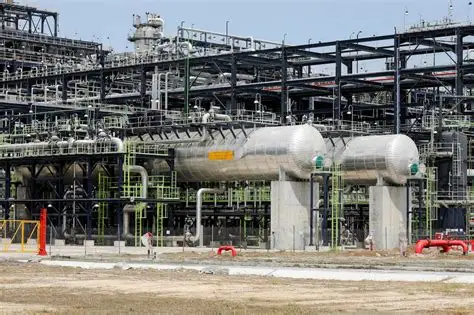
Continued infrastructure investment in the Tilenga and Kingfisher projects remains the primary driver of Foreign Direct Investment (FDI).
Risks to the Outlook
However, the ongoing conflicts affecting global shipping routes could spike energy and transport costs; and slower-than-expected rainfall could impact agricultural output, driving up food inflation, which accounts for 27% of the Consumer Price Index (CPI) basket, these primary risks that could force a rate hike later this year.