By: ThinkBusiness Africa
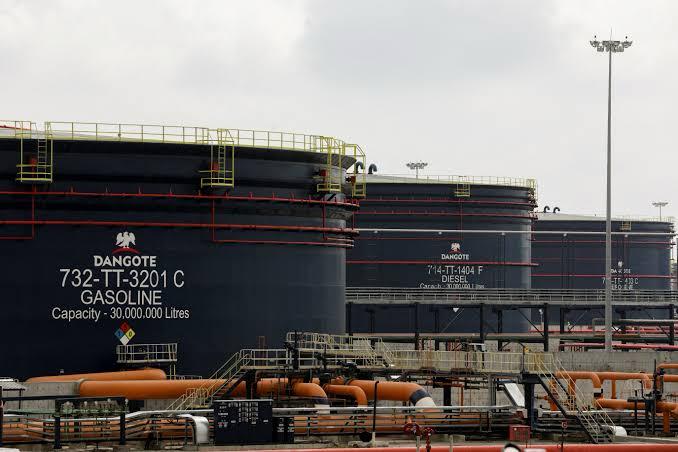
LAGOS, Nigeria — The Dangote Petroleum Refinery officially reached its full nameplate capacity of 650,000 barrels per day (bpd) on Wednesday. The milestone cements the $20 billion facility’s status as the world’s largest single-train refinery and marks the end of Nigeria’s decades-long reliance on imported fuel.
The company confirmed that the ramp-up follows a successful optimization of the Crude Distillation Unit (CDU) and the Motor Spirit (MS) Block. To validate this peak performance, the refinery has commenced an intensive 72-hour performance test in coordination with its technology licensor, UOP (Honeywell).
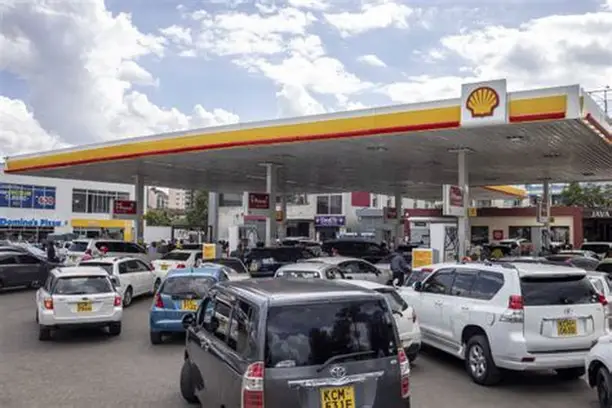
The shift to full capacity is expected to have an immediate impact on West Africa’s largest economy. During the recent 2025 festive season, the refinery was supplying approximately 45–50 million litres of petrol (PMS) daily. With the MS Block now fully operational, that figure is set to rise to 75 million litres per day.
“Our teams have demonstrated exceptional precision in stabilizing the CDU and MS Block,” stated David Bird, CEO of Dangote Petroleum Refinery. “This testing phase allows us to validate the entire plant under real operating conditions, ensuring we meet global benchmarks for yield and efficiency.”
For Nigeria, the 650,000 bpd output represents more than just industrial prowess; it is a critical lever for currency stability. By producing its own fuel, Nigeria is expected to save billions in foreign exchange annually.
Analysts predict that Nigeria will transition from a net importer to a major exporter of refined products to the West African sub-region by the end of Q2 2026.
While the current milestone is a victory, the Dangote Group is already moving toward a “Phase 2” expansion. Last month, Aliko Dangote announced an ambitious plan to more than double the site’s capacity to 1.4 million bpd over the next three years.
The expansion will utilize a “roofless replication” strategy—essentially duplicating existing units to bypass lengthy redesign phases. Site preparation for this next stage began in late January, with major equipment orders slated for completion this quarter.
The refinery is also expected to list on the Nigerian Exchange (NGX) later in 2026, offering the public a chance to own equity in what is now Africa’s most critical industrial asset.