
By: ThinkBusiness Africa
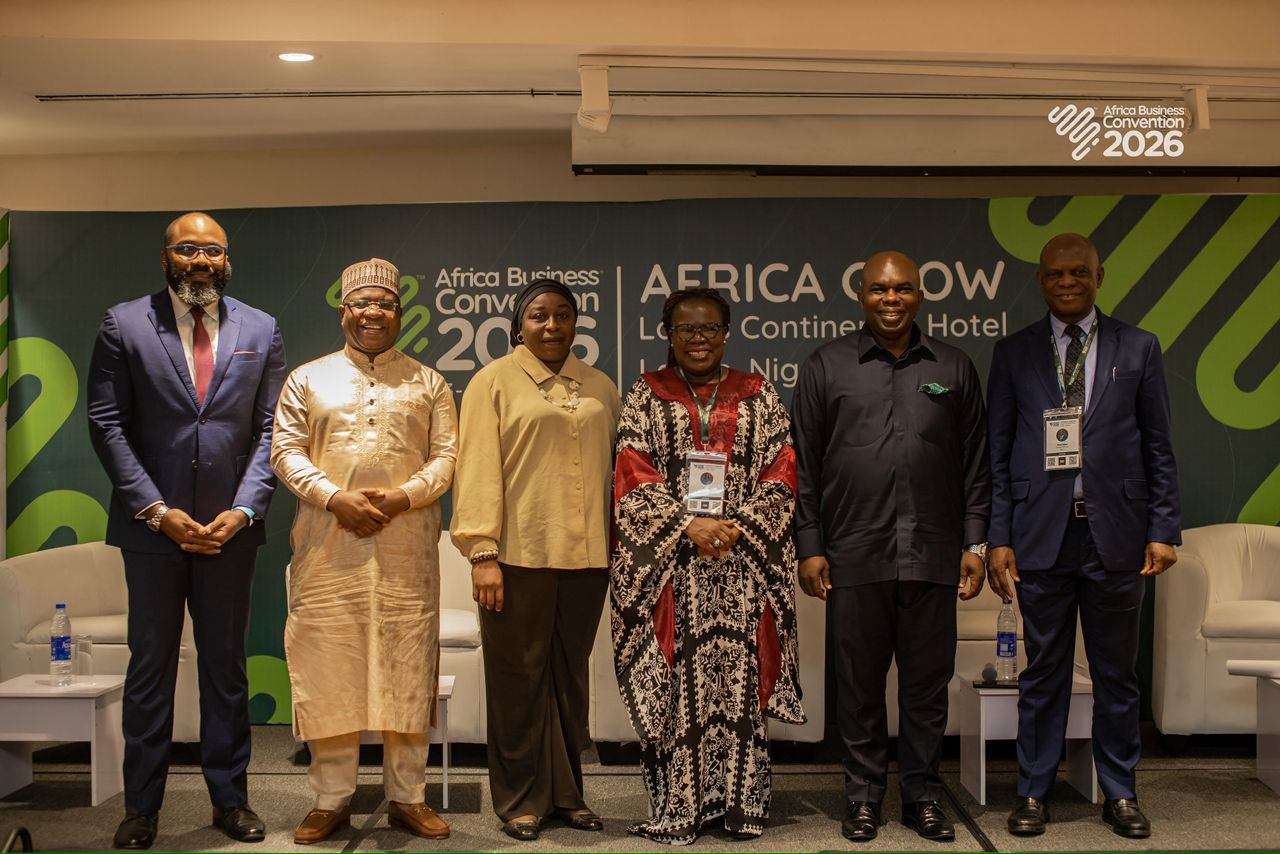
In a high-stakes plenary session at the 2026 African Business Convention (ABC), agricultural experts and policy leaders issued a definitive call for African nations to adopt “Agenda-Based Farming” as the primary engine for doubling the continent’s agricultural exports.
For decades, African agriculture has been characterized by subsistence farming. However, speaking at the Public-Private Dialogue in Lagos, Mrs. Titi Ojo, CEO of Agrochains consult argued that to compete with global giants, the continent must align its farming practices with specific commercial and environmental “Agendas.”
“So we see the picture, we see the vision, we see where we’re going to, we call it a five years agenda, or a one point agenda, you’ll be shocked that if we can get everybody into that plan, it’s going to trickle down to even the small family in the village, because they’ll know that everything they’re producing is plugging into system and that system is growing to the highest level of the export and when the money comes in it’s still going back to us.” She emphasized.
The “Export-Ready” Pillars
Titi Ojo outlined critical pillars that must be integrated into national farming frameworks to unlock the continent’s export potential:
- Robust Policy Implementation: she emphasized that good ideas often fail due to a “performance gap” between paper and practice. The new agenda calls for the harmonization of trade policies under the AfCFTA, removing the bureaucratic red tape and “hidden costs” that currently make African exports less competitive. She urged governments to move beyond signing treaties to enforcing standardized quality controls that meet stringent international benchmarks.
- Demand-Driven Research: The agenda marks a departure from generic farming to “science-led” agriculture. Mrs Ojo called for increased investment in science education to develop crop varieties specifically tailored for export—such as high-yield, drought-resistant seeds that maintain their nutritional profile during long-distance shipping. “If we have a quality infrastructure nobody will doubt us anymore. We need our labs working” she said.
- Innovative Financing Models: Addressing the $315 billion investment gap is the third and perhaps most vital pillar. She highlighted easy access to financing for private-sector. By viewing farming as a business agenda rather than a social program, the goal is to provide smallholder farmers and agri-processors with the credit needed to scale operations, purchase modern machinery, and secure export certification.
“I’ve seen a lot of these gaps. To build an export driven agriculture agenda, we must break these gaps, because of the planning of those kinds of projects, for everybody to begin to plug into that same system.” She said.
According to her arguments, Africa has 60% of the world’s uncultivated land, with an agenda-based approach, the continent will have more than enough eat and feed the entire world.