

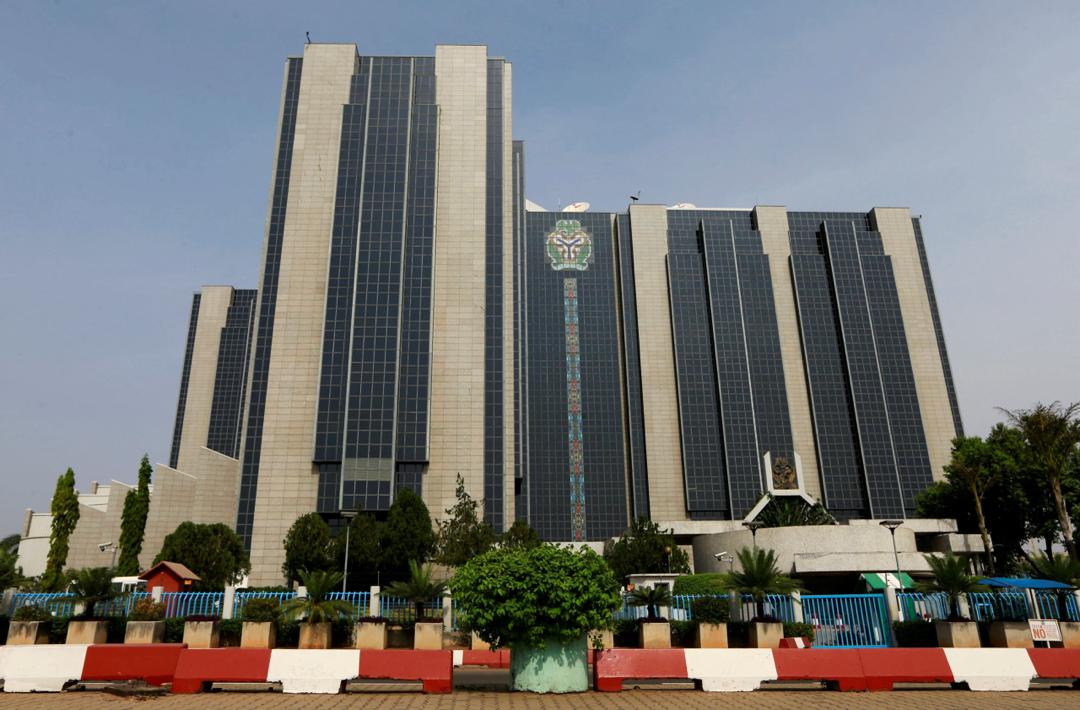
The Central Bank of Nigeria (CBN) targets 95% financial inclusion in Vision 2028, aiming to bring millions of unbanked citizens into the formal economy through aggressive infrastructure and digital identity reforms over the next 36 months.
This target represents a significant leap from current tracking metrics. According to Enhancing Financial Innovation & Access (EFInA) latest financial access findings, Nigeria’s formal financial inclusion rate stands at 64%, leaving a multi-million citizen gap.
The continental benchmark places Nigeria behind several regional peers. World Bank Findex metrics indicate that East and Southern African leaders like Kenya and South Africa boast formal inclusion rates exceeding 80% and 90% respectively, powered by mature mobile money ecosystems.
The policy shift addresses persistent bottlenecks. Despite domestic electronic transactions exceeding 600 trillion naira in recent years, formal financial access remains starkly concentrated across urban centers, deeply marginalizing rural populations.
To bridge this gap, the apex bank’s newly released Payment System Vision 2028 blueprint mandates that licensed financial operators achieve a 95% transaction success rate while strictly maintaining system uptimes of 99.999%.
The strategy forces a pivot toward alternative transaction technologies. The central bank is mandating the deployment of offline-capable payment rails, utilizing Bluetooth and Near Field Communication to bypass rural network deficits.
Gender disparities are also targeted. The CBN is rolling out a “Women Agent 2.0” pilot program to build trust and achieve gender parity across its nationwide network of two million banking agents.
To protect grassroots consumers, the roadmap enforces automated identity verification. Moving forward, the apex bank requires systematic, real-time harmonization of Bank Verification Numbers (BVN) and National Identification Numbers (NIN) across all wallets.
Furthermore, the framework introduces a centralized National Consumer Redress Portal. This ombudsman structure binds financial institutions to automated service level agreements, targeting a mandatory 90% dispute resolution rate to restore public trust.
The aggressive rollout follows recent regulatory challenges. Over the past year, the CBN faced severe public scrutiny regarding cash availability, network downtime during currency transitions, and rising multi-channel fintech fraud.
In response, the document outlines an auxiliary goal targeting a 70% reduction in financial fraud losses, supported by a newly established 24/7 National Payment Security Operations Centre for automated threat monitoring.
Execution occurs across three distinct phases. The apex bank will initiate joint technical working groups immediately, moving into predictive artificial intelligence fraud analytics and full cross-border payment integration by 2028.