

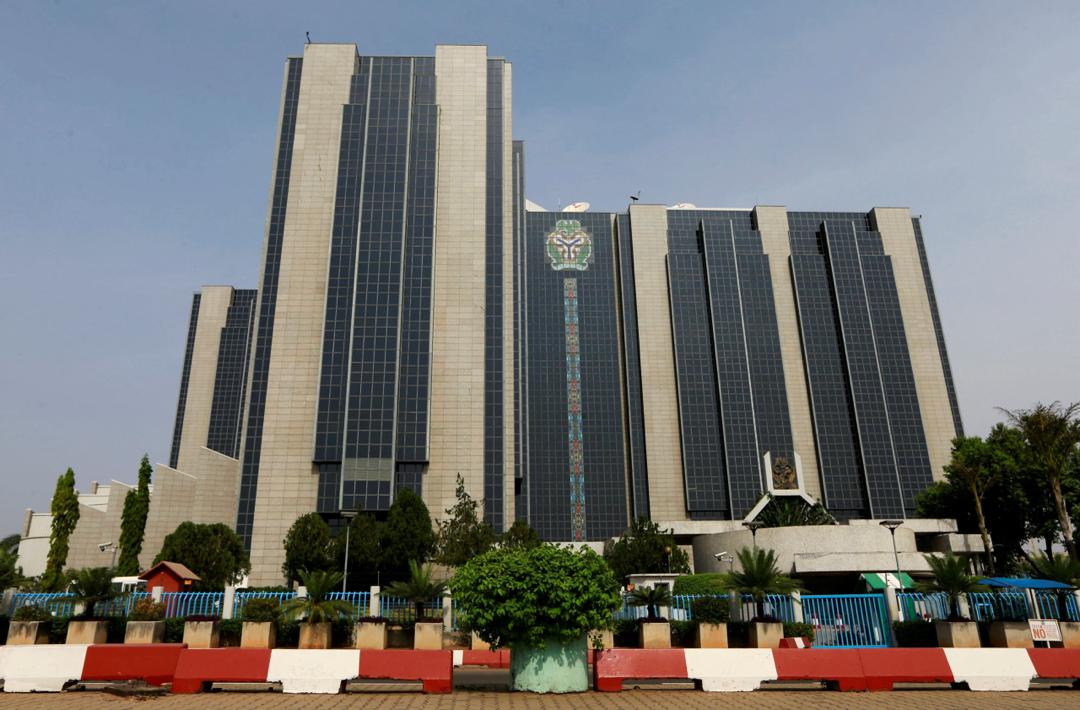
LAGOS – The Central Bank of Nigeria (CBN) has proposed strict limits on loans, asset transfers, and financial exposures between banks and their affiliates to prevent financial distress from spreading across corporate banking groups.
Under the new draft guidelines, banking subsidiaries are prohibited from extending credit or guaranteeing obligations of closely linked entities, including financial holding companies, without prior written approval from the apex bank.
Any authorized loan granted by a commercial bank to its parent holding company will be deducted from the bank’s core capital, directly impacting its regulatory Capital Adequacy Ratio.
Furthermore, cross-board memberships are capped at 20 percent, while holding companies must maintain a regulatory capital buffer exceeding the combined minimum capital of their subsidiaries by at least 20 percent.
The policy forbids banks from purchasing low-quality assets from struggling sister companies. It also bans the unconsented sharing of customer data and the utilization of depositor funds for affiliate operations.
This structural ring-fencing follows the conclusion of Nigeria’s 24-month banking recapitalization exercise. The CBN is shifting focus toward risk containment as financial institutions aggressively expand into fintech and regional markets.
Stakeholders and financial institutions have until July 9, 2026, to submit feedback on the draft framework before full implementation and enforcement under the Banks and Other Financial Institutions Act.