
LAGOS – Nigeria’s headline inflation rate rose to 15.93% year-on-year in May 2026, up from 15.69% in April. The data shows a third consecutive monthly increase despite aggressive central bank tightening.
The National Bureau of Statistics (NBS) reported on Monday that the current headline rate dropped significantly from 26.06% in May 2025. However, prices have steadily crawled upward since hitting a cycle low of 15.15% in December.
Month-on-month headline price growth slowed down slightly. It fell to 1.75% in May 2026 from 2.13% recorded in April, signaling a marginal deceleration in short-term momentum.
A stark divide persists between urban and rural consumers. Urban inflation increased to 16.07% year-on-year, while the rural index remained lower at 15.60%.
On a monthly basis, urban cost pressures accelerated to 1.99%. Conversely, rural month-on-month inflation dropped sharply to 1.17% from 2.80% in April, offering mild relief to rural markets.
The critical food index stood at 16.96% year-on-year. This marks a decrease from 24.55% in May 2025, but monthly food prices still rose by a volatile 2.98%.
Meanwhile, monthly core inflation nearly doubled, climbing rapidly to 1.94% from 1.03% in April. This spike reflects underlying structural issues like currency depreciation and high production costs.
Recent context shows Nigeria’s inflation has been severely impacted by global fuel shocks linked to the Middle East conflict. This pass-through effect previously drove up domestic transportation and distributed food costs.
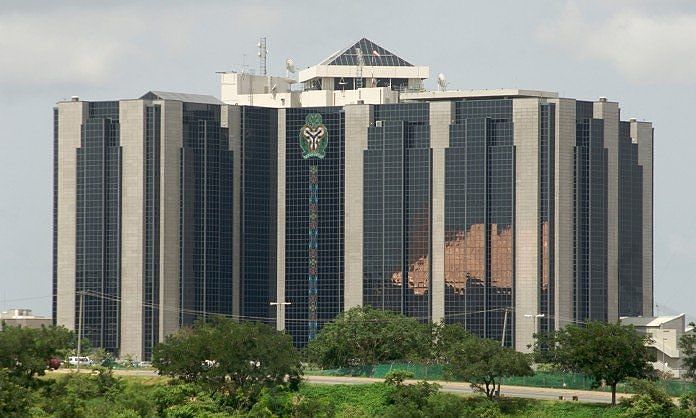
The Central Bank of Nigeria previously executed small interest rate cuts expecting inflation to moderate. However, the new data confirms that core price pressures are expanding systemically across the wider economy.