
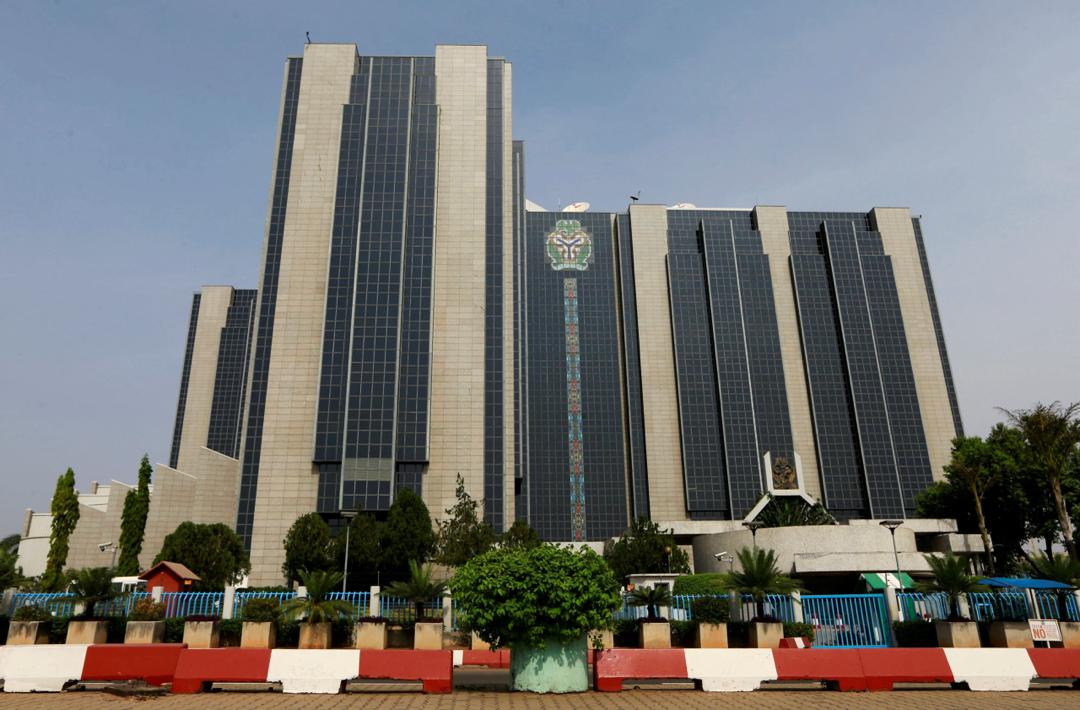
LAGOS – Nigeria’s gross external reserves climbed to $51.04 billion on Thursday, marking their highest level in roughly 17 years due to robust foreign exchange inflows and improved market conditions.
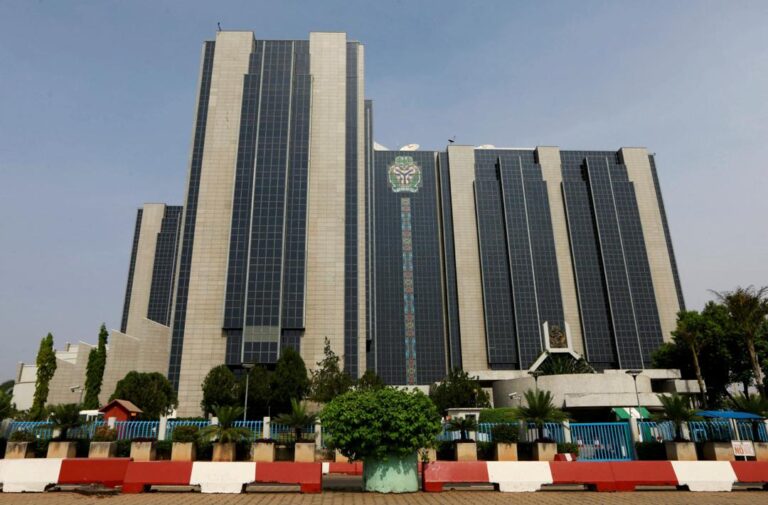
Data from the Central Bank of Nigeria (CBN) confirmed that gross reserves reached $51,035,544,733.65. This represents the apex bank’s highest reserve stockpile since January 20, 2009, when buffers touched $51.07 billion.
The aggressive dollar accretion provides the CBN with substantial ammunition to defend the local currency. Analysts project the current balance guarantees an import cover well exceeding nine months of domestic demand.
This milestone follows a significant macroeconomic validation in May 2026, when S&P Global Ratings upgraded Nigeria’s sovereign credit rating to ‘B’ from ‘B-‘, citing a doubling of net foreign currency flows.
The reserve accumulation aligns with aggressive monetary tightening. High-yield Treasury bills, featuring effective yields tracking above 19%, continue to attract significant foreign portfolio investments into the fixed-income market.
Nigeria’s total capital importation surged to $10.37 billion in the first quarter of 2026, with foreign portfolio investment (FPI) accounting for over 95% ($9.86 billion) of that figure.
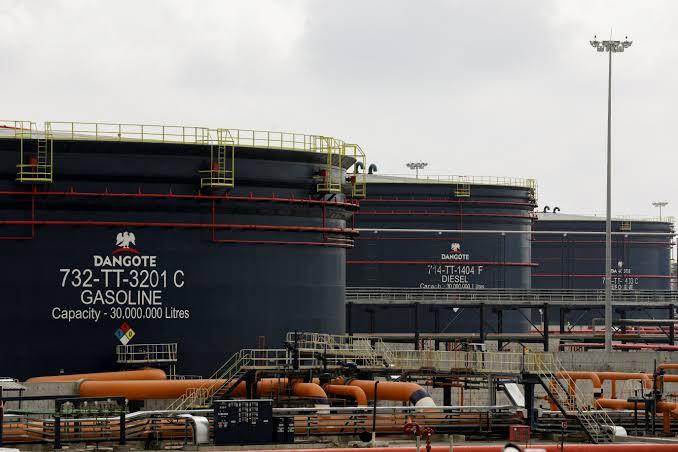
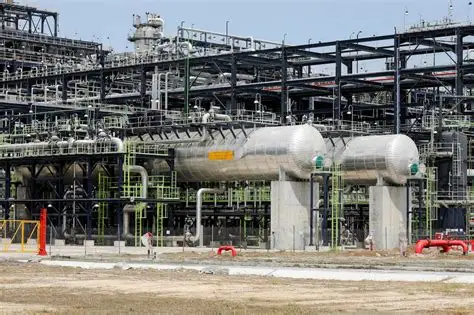
Underlying structural shifts have further alleviated pressure on the liquid buffer. Increased domestic refining output from the Dangote Refinery has drastically reduced autonomous foreign exchange demand for petroleum imports.
The CBN previously anticipated this recovery in its 2026 macroeconomic outlook, projecting reserves would hit $51.04 billion on the back of sustained structural reforms and enhanced non-oil revenue mobilization.