

The African Export-Import Bank (Afreximbank) signed a US$500 million term loan with the Central Bank of Tunisia on Monday to stabilize the nation’s severe balance of payments and support its critical macroeconomic priorities.
The Cairo-signed facility will directly fund vital commodities including fuel, fertilizers, and food items. It also helps the North African nation settle its immediate, maturing external trade debt obligations.
The funding provides a crucial hard-currency cushion as the North African Country navigates an economic tightrope. Tunisia faces structural financing pressures, high youth unemployment, and an inflation rate hovering at a one-year high of 5.5%.
By relying on alternative multilateral lenders, President Kais Saied’s administration continues to shore up its fiscal framework while bypassing the strict structural adjustment conditions traditionally required by a stalled US$1.9 billion International Monetary Fund
(IMF) program.
This emergency liquidity line expands the regional bank’s deep sovereign intervention in Tunisia. It brings the institution’s recent cumulative disbursements to the central bank to a substantial US$1.7 billion.
The external injection temporarily eases the burden on Tunisia’s domestic commercial banks. Local lenders have been heavily crowded out by government borrowing, which has driven banking non-performing loans up to 14.7%.
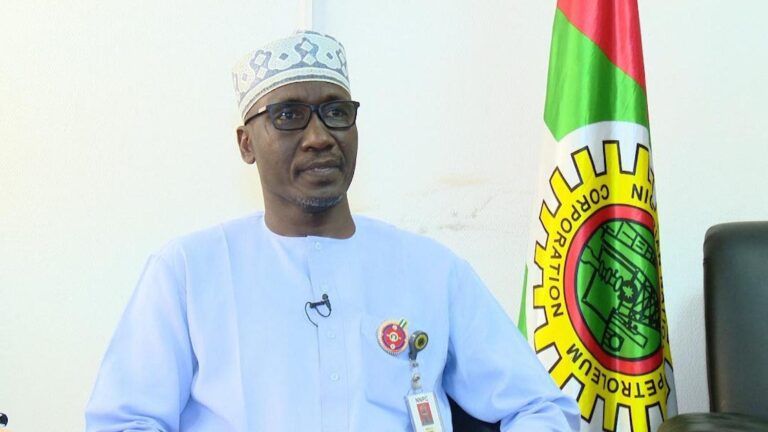
“We welcome the continued partnership with Afreximbank, which provides important support to Tunisia at a time when access to trade finance and foreign currency liquidity remains critical to sustaining essential imports,” Dr Fethi Zouhaier Nouri, Governor of the Central Bank of Tunisia, said.
This transaction highlights the critical countercyclical role regional finance institutions play across the continent. It shields member states from global capital shocks when international development entities deprioritize African sovereign risk.