LAGOS – A rapid surge into dense urban hubs has given the Democratic Republic of Congo’s (DRC) latest Ebola outbreak the highest number of confirmed first-month cases in African history.
The World Health Organization (WHO) reported Tuesday that the virus has infected 1,048 people and caused 267 deaths since the outbreak was officially declared on May 15.
Officials blamed the unprecedented transmission speed on late detection. The virus circulated silently for months before infiltrating high-density cities like Bunia and the mining hub of Mongbwalu.
The crisis took just 37 days to reach 250 fatalities. In contrast, the devastating 2014 West Africa epidemic required 78 days to hit the same grim milestone.
Adding to the containment challenge, the current crisis is driven by the rare Bundibugyo strain. Health responders currently have no approved vaccine or specific medical treatments to combat it.
The outbreak is heavily impacting vulnerable populations. At least 25 confirmed cases and 14 deaths have already been recorded across three overcrowded displacement camps in conflict-affected eastern Congo.
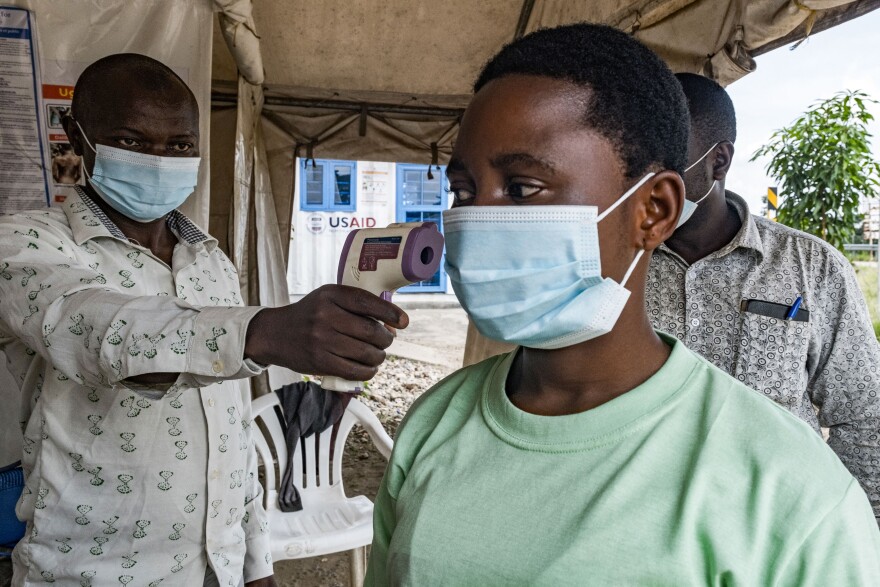
In response, international teams have scaled up laboratory capacity from 30 daily tests to over 2,000, while rapidly expanding isolation bed capacity to 500 across 19 regional health zones.