
The Canadian government will deny entry to any foreign national who has visited the Democratic Republic of the Congo within the past 21 days. The new temporary border restrictions aim to combat the spread of Ebola.
The emergency measure takes effect on Monday, according to the Public Health Agency of Canada. An interim order under the Aeronautics Act now requires air carriers to bar affected travelers from boarding.
Exemptions apply to Canadian citizens, permanent residents, and individuals registered under the Indian Act. However, these exempted travelers must undergo rigorous health screenings upon arrival and strictly quarantine for 21 days.
Health officials stated the restrictions are precautionary, maintaining that the current risk to Canadians remains low. Failure to comply with the order carries fines up to $150,000 for individuals.
The policy aligns Canada with recent border closures enacted by the United States and Mexico. It marks a significant escalation from May regulations that only mandated isolation for incoming travelers.
The restriction defies World Health Organization guidelines, which warn against trade and travel bans. The UN agency argues such measures create counterproductive stigma and disrupt essential international humanitarian aid.
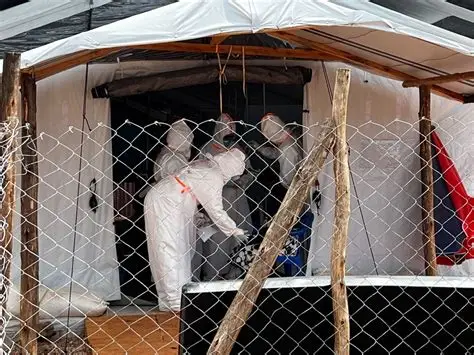
The ban responds to a surging Ebola crisis in eastern Congo, now the third-largest outbreak on record. Health data shows cases doubling every 21 days, surpassing 2,100 infections and 800 deaths.
Epidemiologists express concern as over 80 percent of recent Congolese cases were detected outside known contact lists. These emergency border measures and matching immigration document suspensions are slated to run until August 29.