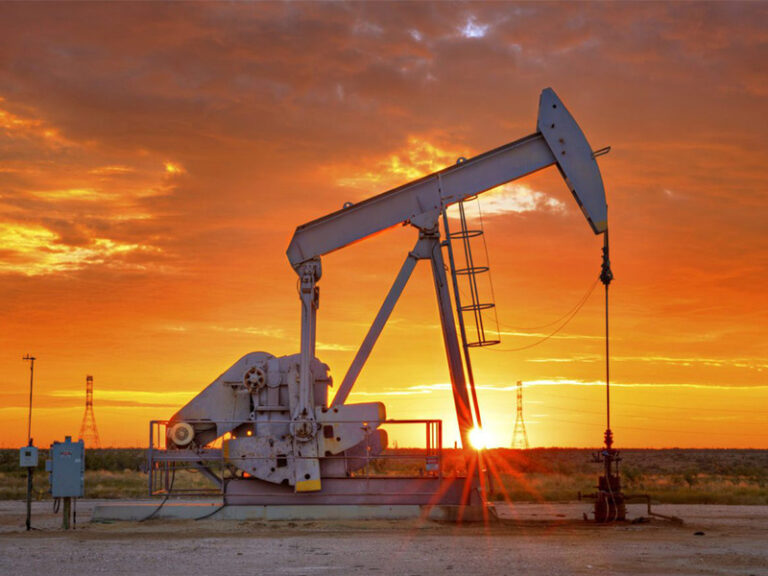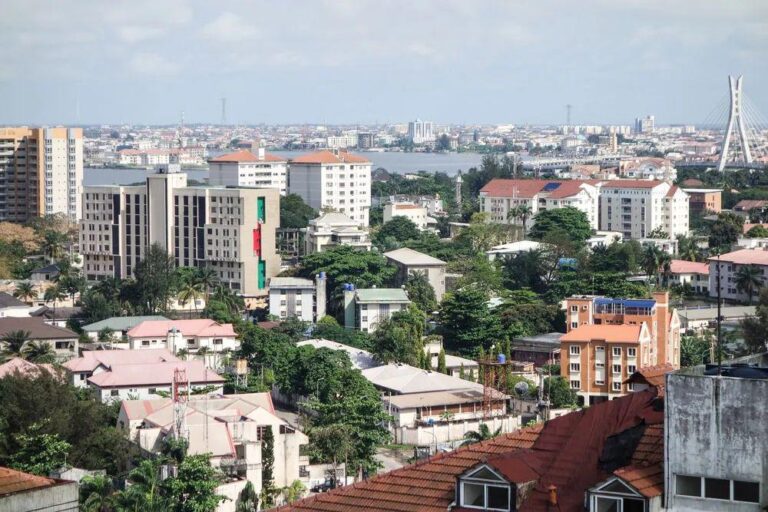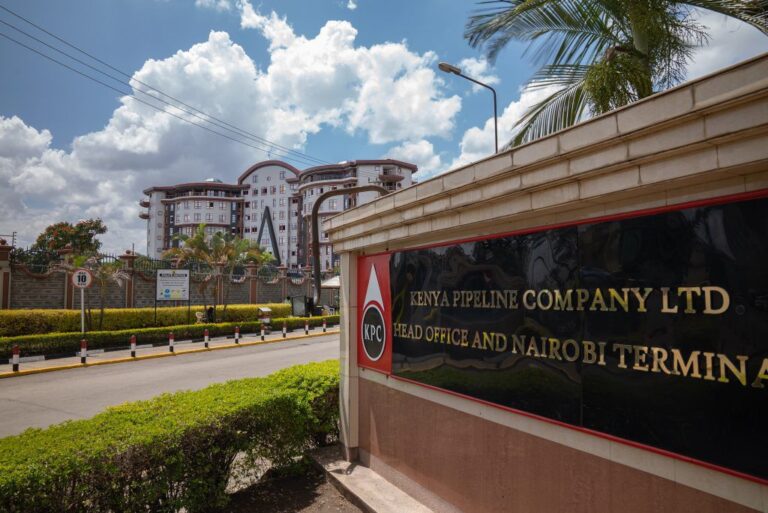
Africa sits on extraordinary energy wealth, yet struggles to power its own economies. The continent holds approximately 125 billion barrels of proven crude oil reserves and more than 650 trillion cubic feet of natural gas. Yet around 600 million people in sub-Saharan Africa lack access to electricity, while nearly one billion lack access to clean cooking. Inadequate infrastructure, chronic financing gaps and a structural dependence on imported refined petroleum products severely constrain the continent’s ability to monetise these resources and capture local economic value.
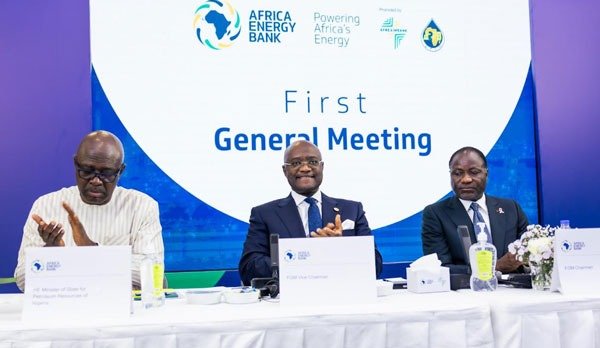
On 31 October 2026, the African Export-Import Bank (Afreximbank) and the African Petroleum Producers’ Organisation (APPO) formally established the Africa Energy Bank (AEB) in Abuja, Nigeria. With an authorised capital of $5 billion, the institution aims to mobilise African capital and attract private investment across the continent’s energy value chain.
Its establishment comes at a geopolitical turning point. As traditional international lenders become more cautious about hydrocarbon financing, African countries face growing challenges in securing the capital required to develop their energy resources. The AEB seeks to provide an alternative financing platform designed to strengthen regional energy security, address supply vulnerabilities and support industrial development.
The question, however, is whether the new institution can mobilise sufficient capital, finance commercially viable projects and translate Africa’s energy wealth into broader economic development.
Why Africa Needs an Energy Bank
Developing Africa’s vast energy resources and infrastructure requires a volume of capital that global markets are increasingly hesitant to provide. The International Energy Agency (IEA) estimates that the continent requires more than $200 billion annually through 2030 to achieve its energy access and climate objectives. However, actual investment has hovered around $110 billion, leaving an estimated annual shortfall of $90 billion that continues to constrain infrastructure development.
This deficit collides with massive demographic pressures. Africa’s population is projected to expand by nearly 900 million people by 2050, accompanied by anticipated average annual economic growth of 4.4%. Meeting the resulting demand for electricity, transport fuel and industrial power will require unprecedented investment in refining, cross-border pipelines, electricity distribution and both conventional and renewable power generation.
Financing these investments has become increasingly complex as Western commercial banks and development finance institutions implement stricter environmental restrictions on fossil-fuel lending. For African countries heavily reliant on oil and gas exports for foreign exchange and fiscal revenue, these financing constraints could affect production, public finances and industrial development.
The push for a pan-African energy financier began in earnest in 2019, championed by the African Energy Chamber. The concept developed into a formal partnership between Afreximbank and APPO through a Memorandum of Understanding in May 2022, culminating in the signing of the bank’s Establishment Agreement and Charter in Cairo in June 2024. Following the selection of Abuja as its permanent headquarters, the AEB was designed specifically to address the financing gap facing the continent’s energy sector.
The Africa Energy Bank: Capital, Mandate and Ambition
The Africa Energy Bank is intended to provide financing across Africa’s energy value chain, from exploration and production to refining, processing, transportation and distribution. Its establishment reflects a broader ambition to mobilise African financial resources for projects that are considered strategic to the continent’s energy security and industrial development.
With authorised capital of $5 billion, the bank has a significant mandate. However, the scale of Africa’s energy financing needs means that its ability to attract additional capital will be just as important as its initial capital base.
Operational plans indicate that the bank expects to deploy an initial tranche of approximately $500 million in baseline capital, with the ambition of supporting its first three foundational oil and gas projects by 2027.
The institution’s success will therefore depend not only on the capital provided by its founding partners but also on its ability to attract commercial banks, institutional investors and private-sector partners. Guarantees, syndicated loans and co-financing arrangements will be important instruments for expanding its financing capacity.
Financing Africa’s Energy and Industrial Development
The macroeconomic impact of the Africa Energy Bank will depend largely on the projects it finances. Targeted investments in domestic refineries, gas-processing hubs and regional distribution networks offer a direct pathway for African producers to move up the value chain and break the cycle of importing expensive, foreign-refined petroleum products.
The refining sector represents one of the most immediate opportunities for import substitution. Despite producing crude oil, several African countries still depend on imported petroleum products, exposing their economies to international price shocks, supply disruptions and foreign exchange pressures. Expanding commercially viable domestic refining could reduce import dependence, retain more value locally and support industries such as petrochemicals and fertiliser production.
Similarly, natural gas infrastructure can support industrial productivity. Investment in gas-processing facilities and transmission pipelines could provide manufacturers and power plants with a more reliable energy supply. Cross-border pipelines could also strengthen intra-African energy trade under the African Continental Free Trade Area (AfCFTA).
Beyond the energy sector, a more reliable energy architecture creates wider economic benefits. Agriculture, mining, manufacturing and digital services all depend on reliable and affordable power. The true value of the AEB lies in its potential to transform raw resources into domestic production, regional trade integration and widespread job creation.
The Financing and Governance Test
The definitive test for the AEB lies in its ability to leverage capital far beyond its initial $5 billion authorised framework. Given Africa’s estimated annual energy financing needs of more than $200 billion, the bank will need to attract commercial banks, institutional investors and private-sector partners if it is to finance projects at scale.
Governance will also shape its performance. Energy projects involve long repayment periods and significant political, regulatory and currency risks. Transparent project selection, independent assessments and sound lending standards will be necessary to protect the bank’s capital and maintain investor confidence.
The bank must also consider the long-term risks of financing energy infrastructure, particularly as global demand and investment patterns evolve. Its investment strategy will need to balance Africa’s immediate energy needs with the commercial and environmental risks associated with long-lived assets.
This raises an important question about the bank’s investment priorities. While oil and gas financing may address immediate supply and industrial requirements, the institution will also need to respond to the continent’s electricity access challenges and the changing economics of renewable energy. Its ability to finance commercially viable projects while accommodating these competing priorities will be central to its long-term relevance.
Can the Africa Energy Bank Deliver?
The establishment of the Africa Energy Bank is a significant milestone and an assertion of African financial ambition at a time when international capital for energy projects is becoming harder to secure.
The stakes could not be higher. If executed well, the bank’s investment pipeline could strengthen domestic production, improve energy supply and anchor industrial growth. Doing so, however, will require strong governance and a disciplined investment strategy capable of attracting private capital far beyond its initial $5 billion authorised capital.
Ultimately, the bank will be judged by its ability to turn financial commitments into tangible economic outcomes: functioning refineries, expanded energy infrastructure, reliable power supply and jobs. The institution has been established. The real challenge now is turning Africa’s ambition to finance its own energy future into measurable results.
Helmy Ghazi: The Banker Taking on Africa’s Energy Financing Challenge
For 28 years, Helmy Ghazi built his career at HSBC, one of the world’s leading international banking groups, working with governments, multinational corporations and investors to finance energy and infrastructure projects. From liquefied natural gas facilities and fertiliser plants to power generation and oil and gas infrastructure, his work has taken him across some of the most capital-intensive sectors of the global economy. Now, the Egyptian banking executive is moving from financing major projects to leading an institution established to address Africa’s energy financing needs.
On 31 October 2026, Ghazi was appointed the inaugural President of the Africa Energy Bank (AEB) at its first General Assembly in Abuja, Nigeria. Jointly established by the African Export-Import Bank (Afreximbank) and the African Petroleum Producers’ Organisation (APPO), the institution is expected to mobilise capital for energy projects across the continent.
Before his appointment, Ghazi served as Deputy Chief Executive Officer and Head of Global Banking at HSBC Egypt. His experience in energy finance dates back to 2007, when he headed the bank’s Oil and Gas business. During this period, HSBC participated in financing major projects, including Egyptian LNG Trains 1 and 2, Egypt Basic Industries Corporation and Egyptian Fertilizers Company.
Over the years, his responsibilities expanded across the energy value chain to cover oil and gas exploration, LNG infrastructure, refining, petrochemicals, fertilisers, power generation and renewable energy. According to his professional profile, he has led and advised on transactions valued at more than US$50 billion. His expertise also spans project finance, export credit, sovereign capital markets and financial advisory.
At HSBC Egypt, Ghazi held responsibility for major corporate and institutional banking operations. In 2024, the bank’s Global Banking and Markets division generated US607 million.
Beyond commercial banking, Ghazi served on the Executive Committee of the Gas Industry Advisory Committee of the East Mediterranean Gas Forum between 2020 and 2025, contributing to regional energy cooperation. He holds a Bachelor’s degree in Foreign Trade from Helwan University, Cairo, and is a Chartered Financial Analyst (CFA) charterholder.
His appointment comes at a time when Africa faces substantial financing requirements to develop its energy resources and infrastructure. With an authorised capital of US$5 billion and a mandate covering the energy value chain, from exploration and production to refining and distribution, the Africa Energy Bank is expected to play a significant role in mobilising investment for the continent’s energy sector.
For Ghazi, the challenge will be to translate nearly three decades of international banking experience into an institution capable of attracting investment and financing commercially viable African energy projects. Building investor confidence, developing a credible pipeline of bankable projects and mobilising long-term capital will be central to this effort.
Ultimately, his presidency will be judged not by the bank’s ambition or authorised capital alone, but by its ability to mobilise actual investments, finance strategic energy infrastructure and contribute meaningfully to expanding Africa’s energy capacity.